
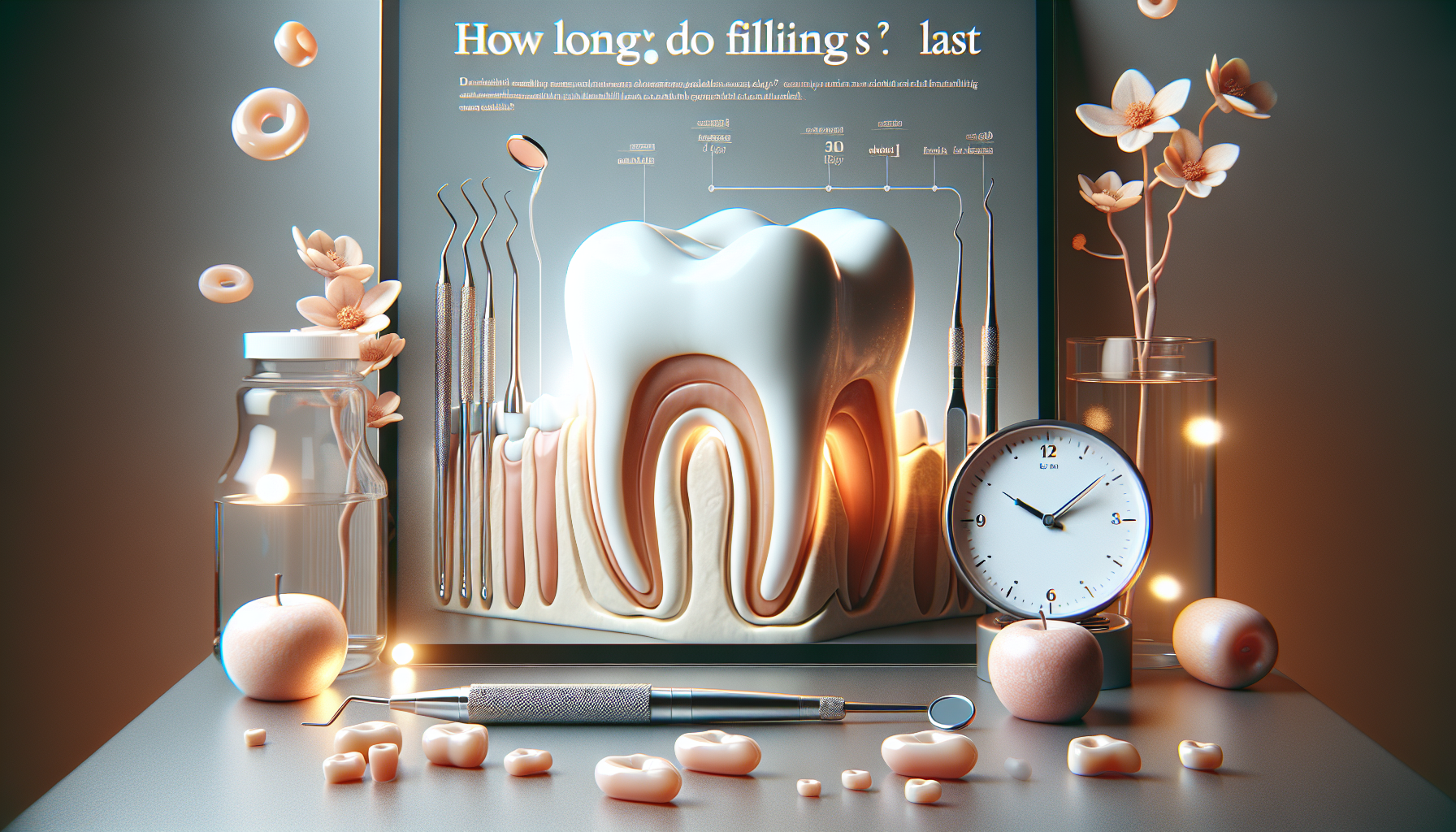
How Long Do Dental Fillings Last? What to Expect and When to Replace Them
Fillings can last 5 to 20+ years depending on material and care. Learn what affects filling lifespan and when it is time for a replacement.
In Mason or Montgomery? Book your visit this week.
If you have ever had a cavity filled, you have probably wondered: how long do fillings last? It is a great question, and the honest answer is that it depends. Fillings can last anywhere from 5 to 20 or more years depending on the material used, how well you care for your teeth, and where the filling sits in your mouth.
At Kings Dental, we want our patients in Cincinnati and Mason to feel confident and informed about their dental care. So let us walk you through everything you need to know about filling lifespan, the different materials available, and the signs that it might be time for a replacement.
How Long Do Different Types of Fillings Last?
Not all fillings are created equal. The material your dentist uses plays a big role in how long your restoration holds up. Here is a quick breakdown of the most common types:
Amalgam (Silver) Fillings
Amalgam fillings are one of the most durable options available. On average, they last 10 to 15 years, and many patients keep them for 20 years or longer with good oral hygiene. They are especially common on back molars where chewing forces are greatest.
Composite (Tooth-Colored) Fillings
Composite resin fillings blend in naturally with your smile, making them a popular choice for visible teeth. They typically last 5 to 10 years, though fillings on back teeth may wear down faster due to chewing pressure. According to the American Dental Association (ADA), composite materials continue to improve and are now a reliable option for most cavities.
Ceramic (Porcelain) Fillings
Ceramic fillings are highly resistant to staining and can last 10 to 15 years or more. They are a bit more costly but offer excellent durability and a very natural appearance.
Gold Fillings
Gold inlays and onlays are the longest-lasting option, often surviving 15 to 20 years or more. They are extremely strong and well-tolerated by gum tissue. The tradeoff is cost and their noticeable appearance.
Quick Tip: White (composite) fillings on back teeth tend to wear faster. If you grind your teeth or chew hard foods frequently, talk to your dentist about the best material for your situation.
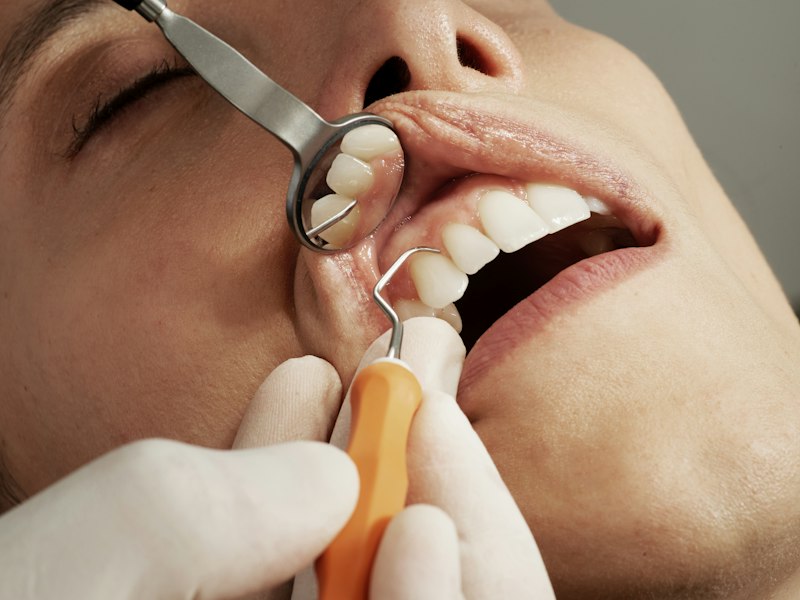
What Factors Affect How Long a Filling Lasts?
Even the best filling will not last forever if certain habits or conditions work against it. Here are the key factors that influence filling longevity:
- Oral hygiene habits: Brushing twice daily and flossing regularly helps prevent new decay from forming around the edges of a filling.
- Diet and nutrition: Sugary, acidic, and hard foods can speed up wear. Learn more about foods that can wear down your fillings faster and how to make smarter choices for your smile.
- Teeth grinding (bruxism): Grinding puts enormous pressure on fillings, especially at night. A custom nightguard can protect both your fillings and your natural teeth.
- Location of the filling: Back teeth handle far more chewing force than front teeth, which means fillings there tend to wear out sooner.
- Size of the filling: Larger fillings cover more surface area and are subject to more stress over time.
- Regular dental visits: Routine checkups allow your dentist to catch early signs of filling wear before a small problem becomes a big one. Good preventive dental care is the best way to extend the life of your restorations.
What Are the Signs That a Filling Needs to Be Replaced?
Fillings do not always give obvious warning signs when they start to fail. That is one reason why regular dental visits matter so much. Still, there are some symptoms to watch for between appointments:
- Tooth sensitivity or pain: New or worsening sensitivity around a filled tooth can signal that the filling is cracked, loose, or worn. Read more about tooth sensitivity after a filling and what it might mean.
- A cracked or chipped feeling: If your filling feels sharp or rough when you run your tongue over it, it may have fractured.
- Visible discoloration or dark spots: Dark areas around the edges of a filling can indicate new decay forming underneath.
- Food getting stuck: If food constantly catches around a filled tooth, the filling may have shifted or worn unevenly.
- A loose or missing filling: This is an obvious sign that a replacement is needed right away to protect the exposed tooth.
Important: Some failing fillings cause no pain at all. The National Institute of Dental and Craniofacial Research (NIDCR) notes that tooth decay can progress silently, which is why professional exams with X-rays are essential for catching problems early.

When Is a Filling No Longer Enough?
Sometimes a tooth has simply suffered too much damage for a filling to do the job. If a large portion of the tooth is broken or decayed, or if an old filling keeps failing, your dentist may recommend a different solution.
In these cases, the tooth might be replaced with a dental crown, which covers the entire visible portion of the tooth and provides much stronger protection. Crowns are especially helpful when a filling would take up more than half the width of the tooth.
Your dentist will always explain your options and help you choose the restoration that makes the most sense for your long-term oral health. You can explore all of our restorative dentistry options to learn more about what Kings Dental offers.
Tips to Help Your Fillings Last as Long as Possible
A little daily effort goes a long way when it comes to protecting your dental work. Here are some practical habits that can extend the life of your fillings:
- Brush with a soft-bristled toothbrush and fluoride toothpaste twice a day.
- Floss at least once daily to remove plaque from areas your toothbrush cannot reach.
- Limit sugary drinks and acidic foods that can erode the edges of fillings.
- Avoid chewing on ice, hard candy, or non-food objects like pen caps.
- Wear a nightguard if you grind or clench your teeth during sleep.
- Visit your dentist every six months for a cleaning and exam so any early issues can be caught quickly.
Ready to Check on Your Fillings? We Are Here to Help.
Whether you have an old filling you are worried about or you just found out you need your first one, the team at Kings Dental is here to make the process simple and stress-free. We serve patients throughout Cincinnati and Mason, Ohio, and we take pride in providing honest, thorough care for the whole family.
Do not wait for a toothache to tell you something is wrong. Schedule a visit at Kings Dental today and let us take a closer look at your fillings, your overall oral health, and how we can help your smile last a lifetime.
Ready to Schedule Your Visit?
Whether you're a new or returning patient, we'd love to see you. Contact us today to book your appointment.