Eat Your Way to a Healthier Smile: The Best (and Worst) Foods for Your Teeth
What you eat has a major impact on your teeth. Discover the best foods for teeth, which ones to avoid, and simple habits to protect your smile every day.
In Mason or Montgomery? Book your visit this week.
You already know that brushing and flossing matter for your smile. But did you know that what you eat every single day plays a huge role in the health of your teeth and gums? The right foods can strengthen enamel, fight bacteria, and even help clean your teeth naturally. The wrong ones? They can quietly cause damage over time.
At Kings Dental, serving families across Cincinnati and Mason, Ohio, we love helping patients take a whole-body approach to oral health. That starts right at the dinner table. Here is what you need to know about the best foods for teeth and which ones to limit.
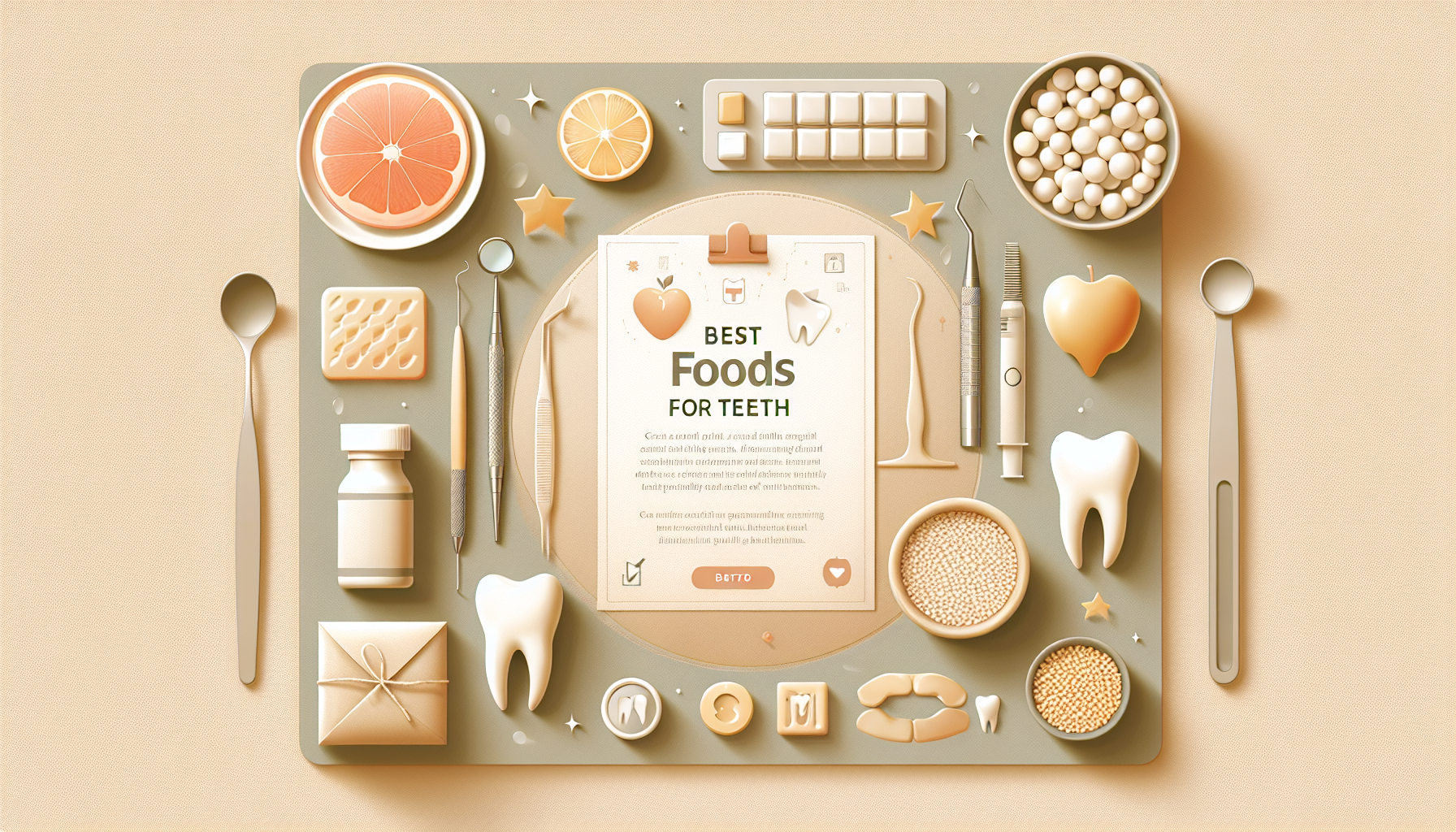
What Are the Best Foods for Your Teeth?
The good news: many of the foods that are great for your overall health are also great for your smile. According to the American Dental Association (ADA), a balanced diet rich in vitamins and minerals supports strong teeth and healthy gums.
Here are some of the top tooth-friendly foods to add to your grocery list:
- Dairy products (cheese, milk, yogurt): These are packed with calcium and phosphate, which help remineralize and strengthen enamel. Cheese in particular helps neutralize acids in your mouth after eating.
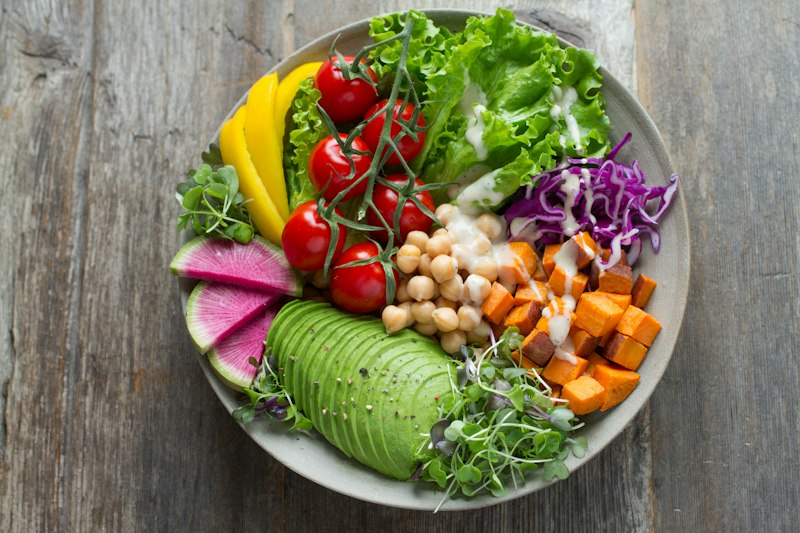
- Crunchy fruits and vegetables (apples, carrots, celery): Their firm texture stimulates saliva flow, which naturally washes away food particles and bacteria. Think of them as a gentle scrub for your teeth.
- Leafy greens (spinach, kale): High in calcium and folic acid, leafy greens support both enamel strength and gum health.
- Lean proteins (chicken, fish, eggs): These provide phosphorus, a mineral that works alongside calcium to protect and rebuild tooth enamel.
- Almonds: Low in sugar and high in calcium and protein, almonds are a smart snack choice for your smile.
- Plain water: Especially fluoridated tap water. Water rinses away debris, keeps your mouth hydrated, and delivers fluoride directly to your teeth.
Pro tip: According to the National Institute of Dental and Craniofacial Research (NIDCR), eating acid-neutralizing foods like cheese or raw vegetables after a sugary meal can help protect your enamel from prolonged acid attacks.
Which Foods and Drinks Are Hardest on Your Teeth?
Not all foods are created equal when it comes to your smile. Some are particularly damaging because they feed the bacteria that cause cavities or because they erode your enamel directly.
Limit these as much as possible:
- Sugary snacks and candy: Sugar feeds the harmful bacteria in your mouth, which then produce acids that attack your enamel. Sticky candies are especially problematic because they cling to teeth for longer.
- Soda and sports drinks: These are a double threat. They are loaded with sugar AND acid, creating the perfect environment for cavities and enamel erosion. Even diet sodas are highly acidic.
- Citrus fruits and juices: While nutritious, frequent exposure to citric acid can wear down enamel over time. Enjoy them with meals rather than sipping on them throughout the day.
- Starchy foods (chips, white bread): Refined starches break down into sugars quickly and get trapped between teeth, fueling bacterial growth.
- Alcohol: Alcohol dries out the mouth, reducing saliva production. Saliva is one of your mouth's best natural defenses against decay.
If you notice that certain foods or drinks are causing discomfort, that could be a sign of tooth sensitivity worth discussing with your dentist.
How Can You Build Smile-Friendly Eating Habits?
You do not have to overhaul your entire diet overnight. Small, consistent changes add up in a big way. Here are some simple strategies to protect your teeth with every meal:
- Drink water after meals to rinse away sugars and acids when brushing is not immediately possible.
- Choose whole grains over refined carbs to reduce the amount of sugar your mouth is exposed to.
- Eat sweets with meals rather than as standalone snacks. Your saliva production is highest during meals, helping neutralize acids faster.
- End meals with cheese or raw vegetables to help neutralize acids and stimulate saliva.
- Limit snacking between meals to give your mouth time to recover from acid exposure.
- Stay hydrated with plain water throughout the day, especially if you live in an area with fluoridated water.
Great nutrition works best when combined with a solid daily routine. Make sure your brushing technique is on point, and do not overlook your daily flossing habits. Food particles that linger between teeth can cause damage even if your diet is otherwise excellent.
Does Good Nutrition Replace Regular Dental Visits?
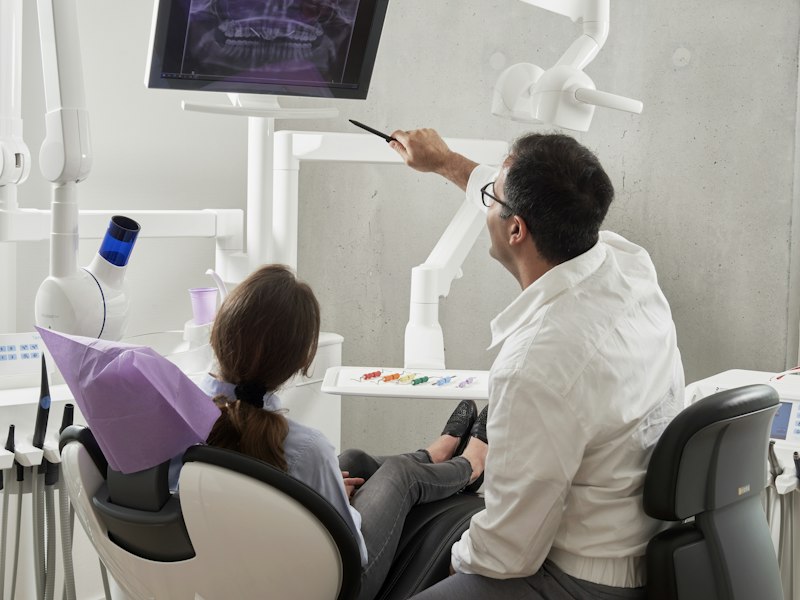
Absolutely not, but it is a powerful partner to professional care. Even the healthiest eater needs regular checkups, cleanings, and X-rays to catch problems before they grow. According to the Centers for Disease Control and Prevention (CDC), nearly half of adults over 30 show signs of gum disease, and many do not know it yet.
That is why preventive dental care is so important. Routine visits let your dental team spot early signs of enamel erosion, cavities, or gum issues and help you course-correct before more serious treatment becomes necessary.
Think of your diet and your dental visits as a team. One reinforces the other. You cannot out-brush a poor diet, and you cannot out-eat skipped dental appointments.
Ready to Give Your Smile Some Extra Love?
Your teeth work hard every day, and they deserve the best fuel you can give them. By making a few smart swaps at the grocery store and staying consistent with your oral hygiene routine, you can protect your smile for years to come.
The team at Kings Dental is here to support you every step of the way, from personalized nutrition tips to professional cleanings and everything in between. Schedule a visit at Kings Dental today and let us help you build a healthier smile from the inside out.
Ready to Schedule Your Visit?
Whether you're a new or returning patient, we'd love to see you. Contact us today to book your appointment.