
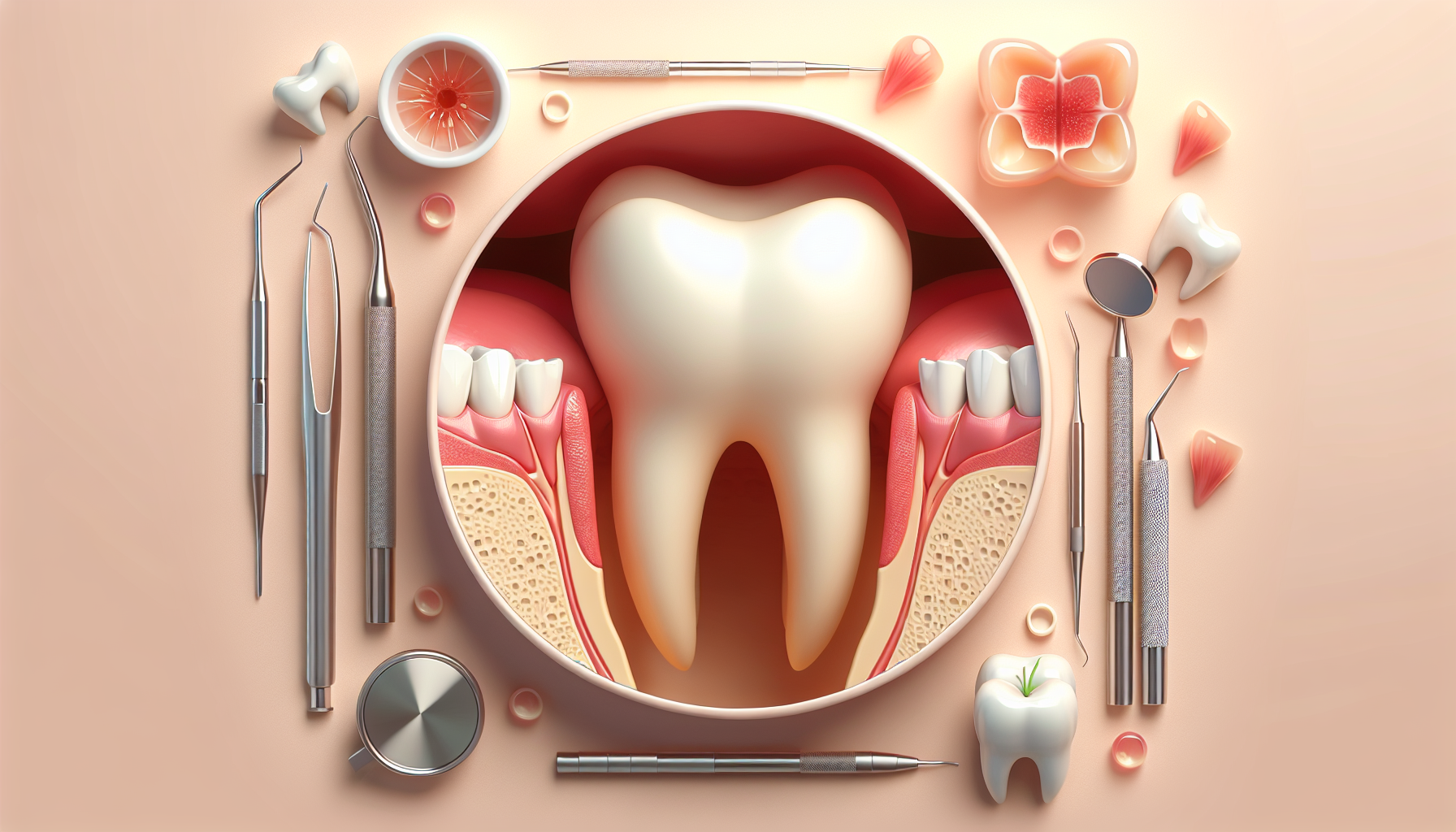
Gingivitis vs. Gum Disease: What's the Difference and Why It Matters for Your Smile
Learn the difference between gingivitis and advanced gum disease, understand the key stages, and find out how to protect your smile before it's too late.
In Mason or Montgomery? Book your visit this week.
If your gums have ever bled while brushing or looked a little red and puffy, you may have wondered: is this just gingivitis, or is something more serious going on? It is a great question, and one that more patients should be asking. Understanding the gum disease stages can make a real difference in protecting your smile for the long term.
The good news is that caught early, gum disease is very manageable. But left untreated, it can lead to serious consequences including tooth loss. Let's break it all down in plain English.
What Is Gingivitis, and Is It Really That Big a Deal?
Gingivitis is the first and mildest stage of gum disease. It occurs when plaque, that sticky film of bacteria, builds up along your gumline and causes your gum tissue to become inflamed. The American Dental Association (ADA) notes that gingivitis is extremely common and largely reversible with proper care.
Here is the tricky part: gingivitis often does not hurt. Many patients have no idea their gums are in trouble until they notice a few telltale signs:
- Red or swollen gums
- Gums that bleed easily when brushing or flossing
- Persistent bad breath
- Gums that feel tender to the touch
If any of these sound familiar, bleeding gums are often one of the earliest warning signs that something is off and worth discussing with your dentist right away.
The key takeaway: Gingivitis has not yet damaged the bone or connective tissue that holds your teeth in place. That means it is fully reversible with professional cleaning and improved home care.

What Are the Gum Disease Stages Beyond Gingivitis?
When gingivitis is left untreated, it can progress into periodontitis, a more serious infection that damages the structures supporting your teeth. According to the Centers for Disease Control and Prevention (CDC), nearly half of adults aged 30 and older have some form of periodontal disease. Here is how the stages typically progress:
Stage 1: Early Periodontitis
The infection spreads below the gumline, and small pockets begin to form between your teeth and gums. These pockets trap more bacteria, making it harder to clean the area at home. You may notice your gums starting to pull away slightly from your teeth.
Stage 2: Moderate Periodontitis
The pockets grow deeper, and bacteria begin attacking the bone and connective tissue supporting your teeth. Teeth may start to feel slightly loose or shift position. This stage causes significant, though still treatable, damage to the gum and bone structures.
Stage 3: Advanced Periodontitis
This is the most severe stage. Pocket depths can exceed 7mm, and bone loss can reach 50 to 85 percent. Teeth become noticeably loose, chewing becomes painful, and tooth loss becomes a real risk. At this point, prompt and often surgical intervention is necessary to prevent further deterioration.
Understanding these stages is exactly why early detection matters so much. Our periodontal care services are designed to catch and treat gum disease at every stage, from the earliest signs of inflammation all the way to advanced treatment needs.
What Can You Do to Protect Your Gums?
The encouraging news is that most gum disease is preventable. A combination of good daily habits and regular professional care goes a long way. Here are practical steps you can take starting today:
- Brush twice daily using a soft-bristled toothbrush and fluoride toothpaste, spending at least two minutes each session.
- Floss or use an alternative daily. If traditional flossing is not your thing, check out our guide on keeping your gums healthy between visits with easier alternatives.
- Use an antibacterial mouthwash to help reduce plaque-causing bacteria between brushings.
- Avoid tobacco products. The CDC notes that smoking significantly raises your risk for gum disease and makes treatment less effective.
- Eat a balanced diet low in sugar and high in vitamins, especially vitamin C, which supports healthy gum tissue.
- Stay on top of your dental visits. If you are unsure about how often you should be seeing your dentist, the answer may surprise you.

When Should You See a Dentist About Your Gums?
Do not wait for pain to prompt your visit. Gum disease is often painless in its early stages, which is precisely what makes it so easy to overlook. The National Institute of Dental and Craniofacial Research (NIDCR) emphasizes that regular dental checkups are one of the best tools for catching periodontal disease before it advances.
You should schedule an appointment as soon as possible if you notice any of the following:
- Gums that bleed regularly when brushing or flossing
- Gums that look like they are pulling away from your teeth
- Persistent bad breath that does not go away
- Teeth that feel loose or have shifted
- Pain or sensitivity when chewing
For patients across the Cincinnati and Mason, Ohio area, early intervention is always the best path forward. Learning more about your options for gum disease treatment in Cincinnati can help you make informed decisions about your care before the situation becomes more complex.
Remember: Gingivitis is reversible. Periodontitis is manageable when caught early. But advanced gum disease can mean lasting damage. The sooner you act, the better your outcome.
Your Smile Deserves Proactive Care
Gum disease does not have to steal your smile. Whether you are dealing with early-stage gingivitis or just want to make sure your gums are healthy, our team at Kings Dental is here to help. We offer compassionate, comprehensive preventive care designed to keep your gums, teeth, and overall oral health in great shape at every age.
Ready to take the next step? Schedule a visit at Kings Dental and let us help you build a healthier, more confident smile starting today.
Ready to Schedule Your Visit?
Whether you're a new or returning patient, we'd love to see you. Contact us today to book your appointment.