
Getting a Dental Crown? Here's Exactly What Happens Step by Step
Wondering what the dental crown process involves? We break it down step by step so you know exactly what to expect at every appointment.
In Mason or Montgomery? Book your visit this week.
What Is a Dental Crown, and Do You Need One?
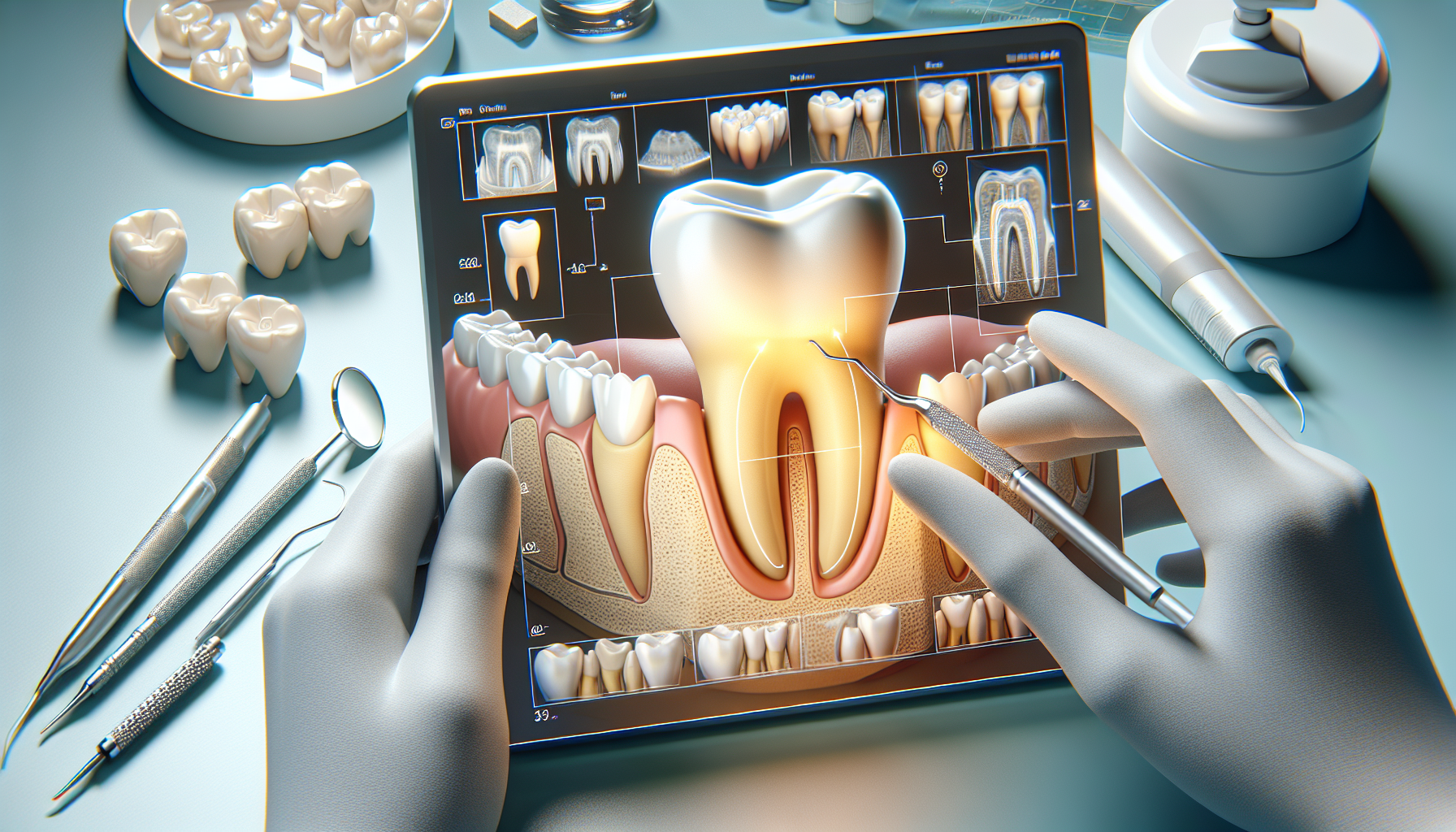
If your dentist has recommended a dental crown, you might be wondering what that actually involves. A dental crown is a tooth-shaped cap placed over a damaged or weakened tooth to restore its shape, strength, and appearance. Think of it as a protective covering that gives your tooth a second chance.
There are several common reasons you might need a crown. These include a cracked or chipped tooth, a large cavity that a filling can't fix, a tooth that has undergone root canal therapy, or simply a tooth that needs cosmetic improvement. Whatever the reason, the process is straightforward and much less intimidating than most patients expect.
"The dental crown procedure itself is not typically painful because dentists use local anesthesia to numb the area." Most patients are pleasantly surprised by how comfortable the experience is.
What Happens During the Dental Crown Process?
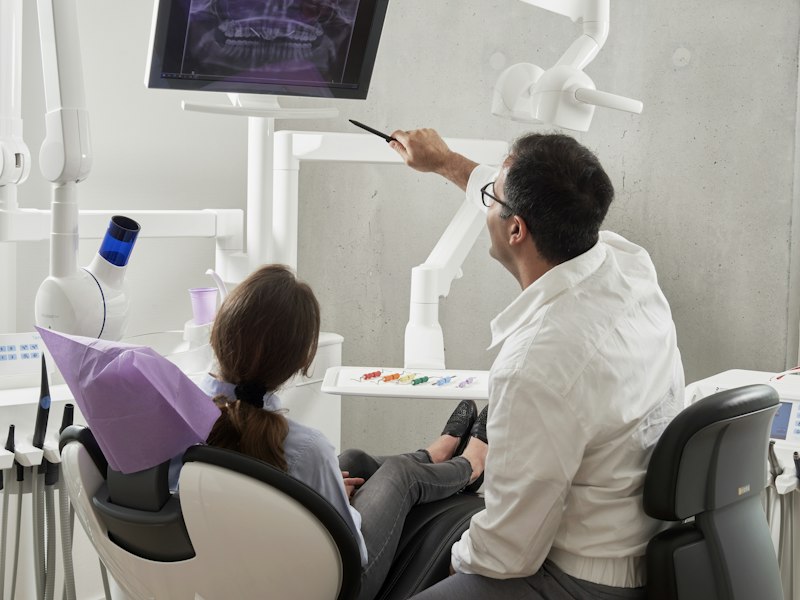
The dental crown process typically takes place over two appointments, usually scheduled two to four weeks apart. Here is exactly what you can expect at each visit.
Appointment One: Preparing Your Tooth
At your first visit, your dentist will begin by numbing the area around the tooth with a local anesthetic. Once you are comfortable, the tooth is reshaped by filing down the outer surfaces to make room for the crown to sit properly on top.
After reshaping, your dentist will take impressions of your tooth. These precise molds are sent to a dental lab, where your permanent crown is custom-crafted to match the size, shape, and color of your natural teeth. This process takes a couple of weeks.
Before you leave, your dentist will place a temporary crown over the prepared tooth. This temporary cap protects your tooth while you wait for the permanent one to arrive. It is important to be gentle with it, as temporary crowns are not as durable as permanent ones.
Appointment Two: Placing Your Permanent Crown
When your permanent crown is ready, you will return for the second appointment. Your dentist will remove the temporary crown, clean the tooth, and check that the new crown fits correctly before cementing it in place.
Your dentist will also check your bite to make sure the crown feels natural when you close your mouth. Any small adjustments are made right there in the office. Once everything looks and feels right, the crown is permanently bonded to your tooth.
- Numb and comfortable: Local anesthesia is used at both appointments as needed.
- Custom fit: Your crown is made specifically for your tooth, not a one-size-fits-all solution.
- Quick second visit: The placement appointment is usually shorter and simpler than the first.
- Natural feel: A well-placed crown should feel like a completely natural part of your smile.

How Should You Prepare for Your Crown Appointment?
A little preparation goes a long way in making your dental crown experience smooth and stress-free. Here are some practical tips to help you get ready.
- Review your insurance coverage before your appointment so you know what to expect cost-wise. We also offer flexible financing options if you need help managing your investment.
- Eat a good meal beforehand, especially if you expect to be numb for a few hours after the procedure.
- Ask about sedation. If dental anxiety is a concern, talk to us about our sedation options to keep you comfortable throughout the process.
- Bring someone with you to your first appointment if you feel nervous. Having a friend or family member nearby can be reassuring.
- Write down any questions you have ahead of time so you don't forget to ask them during your visit.
- Follow your dentist's pre-appointment instructions, especially if sedation is involved.
According to the American Dental Association, dental crowns can last between 5 and 15 years or longer with proper care. That makes a little preparation well worth the effort.
How Do You Care for Your Crown After the Procedure?
Once your permanent crown is placed, caring for it is simple. Treat it just like a natural tooth, and it will serve you well for many years.
Right After the Procedure
Your mouth may feel a little sensitive for a few days, which is completely normal. Stick to softer foods at first and avoid chewing hard or crunchy items like ice or hard candy on that side of your mouth.
Long-Term Care Tips
- Brush twice a day with a soft-bristled toothbrush.
- Floss gently around the crown every day to prevent buildup at the gumline.
- Avoid grinding your teeth. If you are a nighttime grinder, ask your dentist about a night guard to protect your crown.
- Keep up with your regular dental checkups so your dentist can monitor the crown over time.
- Avoid sticky or hard foods that could dislodge or chip the crown.
If something feels off, like a change in your bite, discomfort, or sensitivity that does not improve, contact us right away. You can also reach out if you have a dental emergency through our emergency dental care services, available to patients in Cincinnati and Mason, Ohio.
Pro tip: If your crown ever feels loose, falls off, or causes sharp discomfort, do not wait. Call your dentist as soon as possible to prevent further damage to the tooth underneath.
Ready to Restore Your Smile? We Are Here to Help.
A dental crown is one of the most reliable and time-tested tools in restorative dentistry. Whether your tooth has been damaged, weakened, or simply needs a little extra support, a crown can give it new life while keeping your smile looking completely natural.
At Kings Dental, we make the dental crown process as comfortable and straightforward as possible for patients across Cincinnati and Mason. Our team is here to walk you through every step, answer your questions, and make sure you feel confident going in.
Ready to take the next step? Schedule a visit at Kings Dental and let us help you get your smile back on track.
Ready to Schedule Your Visit?
Whether you're a new or returning patient, we'd love to see you. Contact us today to book your appointment.