
TMJ Jaw Pain Treatment in Cincinnati, Ohio: How to Stop the Clicking, Headaches, and Soreness for Good
Clicking jaw, morning headaches, chronic soreness? Learn about evidence-based TMJ jaw pain treatment options available to Cincinnati and Mason, Ohio patients at Kings Dental.
In Mason or Montgomery? Book your visit this week.
TMJ Jaw Pain Treatment in Cincinnati, Ohio: How to Stop the Clicking, Headaches, and Soreness for Good
That familiar click when you open your mouth. The dull ache spreading from your jaw into your temples first thing in the morning. The tension headaches that seem to have no clear cause. If any of this sounds like your daily reality, you may be living with a temporomandibular disorder, and you are far from alone. TMJ jaw pain treatment in Cincinnati, Ohio is one of the most-searched dental topics in the Greater Cincinnati area, and for good reason: millions of Americans experience TMD symptoms every year, yet many go years without connecting their pain to their jaw joint. At Kings Dental, with offices in Cincinnati and Mason, Ohio, we help patients understand what is driving their discomfort and build a personalized, evidence-based plan to address it.
The good news is that the vast majority of TMJ-related pain responds well to conservative, non-surgical care. The less-welcome news is that untreated TMD tends to escalate. Mild clicking and morning soreness can become chronic facial pain, limited jaw mobility, and disrupted sleep if the underlying cause goes unaddressed. That is why early evaluation matters, and why understanding your options is the first step toward lasting relief.
This guide covers everything Cincinnati and Mason patients need to know: what TMD actually is, what causes it, which treatments are supported by current evidence, and what a visit to Kings Dental looks like from consultation through recovery. Let us walk through it together.
What Is TMJ Disorder? Understanding the Difference Between TMJ and TMD
These two terms are used interchangeably in everyday conversation, but they mean different things. TMJ stands for temporomandibular joint, the hinge joint on each side of your face that connects your lower jaw to your skull. You use this joint dozens of times every hour when you chew, speak, yawn, or swallow, making it one of the most active joints in the human body.
TMD stands for temporomandibular disorder, an umbrella term for the dysfunction, pain, and muscle problems that can affect the TMJ and the surrounding structures. So technically, when patients say "I have TMJ," they typically mean they have TMD. The distinction matters because TMD is not a single condition: it is a category of related problems with different causes and different optimal treatments.
Common Causes of TMD
TMD rarely has a single cause. More often, several contributing factors combine to overload the joint and surrounding muscles. The most common drivers include:
- Bruxism (teeth grinding or clenching): The most frequently identified contributor to TMD. Grinding places enormous repetitive force on the jaw joint and muscles, often during sleep when you cannot consciously stop it. Teeth grinding is a common driver of TMJ pain and can accelerate joint and tooth damage simultaneously.
- Bite misalignment (malocclusion): When your upper and lower teeth do not come together properly, the jaw muscles compensate with every bite, creating chronic strain over time.
- Stress and muscle tension: Psychological stress leads many people to clench their jaw during the day without realizing it, fatiguing the masseter and temporalis muscles.
- Arthritis: Osteoarthritis or rheumatoid arthritis can affect the TMJ just as they affect other joints, causing cartilage breakdown and inflammation.
- Injury: A blow to the jaw, chin, or head, whiplash from a car accident, or even prolonged dental procedures requiring the mouth to stay open can strain or injure the joint.
- Disc displacement: The small cartilage disc that cushions the TMJ can slip out of position, producing the clicking or popping many patients notice when opening or closing the mouth.
Recognizing the Symptoms of TMD
TMD symptoms are remarkably varied, which is one reason the condition is frequently misdiagnosed or overlooked. According to clinical literature reviewed by the National Institute of Dental and Craniofacial Research (NIDCR), the symptom picture typically includes some combination of the following:
- Chronic jaw pain or facial soreness, especially in the morning
- Clicking, popping, or grinding sounds when opening or closing the mouth
- Tension headaches, often felt at the temples
- Earaches or a feeling of fullness in the ears
- Difficulty chewing, or pain while chewing
- Worn, chipped, or flattened teeth (a telltale sign of bruxism)
- Lockjaw or limited range of jaw motion
- Tinnitus (ringing in the ears)
- Neck and shoulder muscle pain
- Disrupted or poor-quality sleep
Key takeaway: If you are experiencing three or more of these symptoms together, especially morning jaw pain combined with headaches and tooth wear, a professional TMD evaluation is the right next step. Left untreated, mild symptoms can progress into severe, debilitating dysfunction over time.
TMJ Jaw Pain Treatment Options in Cincinnati: What the Evidence Says
There is no single treatment for TMD that works for every patient, because the condition itself is not uniform. What the evidence does consistently support is a stepwise, conservative-first approach. The NIDCR and the American Dental Association (ADA) both affirm that reversible, non-invasive treatments should always come before any surgical or irreversible intervention. At Kings Dental, this philosophy guides every treatment plan we build.
Custom Night Guards and Oral Splint Therapy
For most patients, a custom night guard is the cornerstone of TMD treatment. Oral splints work by repositioning the jaw slightly, reducing muscle tension, and preventing the damaging tooth-on-tooth contact that occurs during grinding and clenching. The research behind splint therapy is extensive: traditional oral splint therapy achieves a 60 to 80 percent reduction in symptoms across multiple studies spanning several decades, according to clinical data compiled from peer-reviewed literature.
It is important to understand that store-bought boil-and-bite guards are not equivalent to custom-fitted dental appliances. A properly fabricated oral splint is calibrated to your specific bite, which is why professional fitting matters. Learn more about how night guards relieve jaw pain and protect your teeth in our dedicated guide on the subject.
Lifestyle Modifications and Home Care
Several behavioral changes can meaningfully reduce TMD symptoms, particularly when combined with splint therapy:
- Soft diet: Temporarily avoiding hard, chewy, or tough foods (bagels, raw carrots, steak, chewing gum) reduces the mechanical load on the joint during healing.
- Eliminate parafunctional habits: Nail-biting, chewing on pens, and resting your chin on your hand all place asymmetric force on the TMJ.
- Moist heat or cold packs: Applying warm compresses to the jaw for 10 to 15 minutes can relax muscle spasm; cold packs help reduce acute inflammation.
- Jaw exercises: Gentle stretching and strengthening exercises, ideally guided by your dentist or a physical therapist, improve range of motion and reduce muscular tension.
- Stress management: Mindfulness practices, progressive muscle relaxation, and counseling can reduce daytime clenching driven by psychological stress.
Medications for TMD Pain Relief
Pharmacologic support can play an important role in managing TMD, particularly during acute flare-ups or as a bridge while other therapies take effect. Options supported by clinical evidence include:
- NSAIDs (ibuprofen, naproxen): First-line anti-inflammatory and analgesic option. Topical diclofenac is an alternative that minimizes systemic side effects.
- Acetaminophen: Effective for pain management, especially when NSAIDs are contraindicated.
- Muscle relaxants: Short-term use can break cycles of muscle spasm contributing to jaw pain.
- Tricyclic antidepressants (TCAs): Used at low doses as a second-line option for chronic TMD pain; they address both the pain pathway and associated sleep disruption.
- Benzodiazepines: Occasionally prescribed short-term for severe muscle spasm, though dependency risk limits long-term use.
One important note: SSRIs (a common class of antidepressants) may actually induce or worsen bruxism in some patients. If you are on an SSRI and experiencing jaw symptoms, mention this to both your dentist and prescribing physician so your full medication picture can be considered.
Botox Injections for TMJ and Bruxism
Botulinum toxin type A (Botox) injections into the masseter and temporalis muscles have gained meaningful traction as a minimally invasive option for patients with moderate to severe myofascial TMD pain. A systematic review of onabotulinumtoxinA for myofascial TMJ pain, cited in Medscape/eMedicine's clinical overview, found it was significantly effective in reducing pain intensity. Results from some studies showed statistically equivalent improvements in jaw function between Botox and saline placebo, suggesting that the pain-relief benefit, rather than functional improvement alone, is the primary advantage.
Botox works by temporarily reducing the force generated by the jaw muscles, giving an overworked, inflamed joint the opportunity to heal. Effects typically last three to six months, and repeat treatment is common. This approach is best suited to patients for whom splint therapy alone has not provided sufficient relief.
Physical Therapy and TENS
Physical therapy is a well-recognized non-surgical treatment pathway for TMD. Modalities include guided jaw exercises, postural correction (since forward head posture significantly increases TMJ loading), and transcutaneous electrical nerve stimulation (TENS), which uses low-level electrical current to relax jaw muscles and reduce pain. A systematic review of 21 randomized controlled trials involving 959 individuals found significant improvement in maximum mouth opening after local anesthesia injections (mean difference of 3.65mm) and dry needling (mean difference of 2.37mm) versus placebo, per UnitedHealthcare Ohio's clinical policy documentation on TMJ disorders.
Orthodontic Correction and Full Mouth Rehabilitation
When TMD is rooted in a structural bite problem, orthodontic treatment can address the underlying cause rather than just manage symptoms. Braces or clear aligners can bring the teeth into proper occlusion, relieving the chronic muscle strain that results from compensatory biting patterns. For patients with more complex cases involving significant tooth wear, missing teeth, or a combination of jaw and bite issues, full mouth rehabilitation may be the most comprehensive path to long-term relief.
When Surgery Is Considered
Surgical intervention for TMD is reserved for patients who have exhausted conservative options and continue to experience severe, debilitating symptoms. Procedures range from minimally invasive arthroscopy and joint lavage to more involved arthroplasty. It is worth noting that TMJ lavage should be recommended with caution, as the supporting high-quality evidence base remains limited. Surgery carries real risks and should never be a first-line response. The consistent message from evidence-based sources, including the NIDCR, is that the vast majority of TMD patients achieve meaningful, lasting relief without ever reaching this stage.
What Cincinnati and Mason, Ohio Patients Should Know About TMJ Treatment Locally
If you are searching for TMJ jaw pain treatment in Cincinnati, Ohio, there are several local factors worth understanding before you begin care.
Ohio Insurance Coverage for TMD Treatment
Insurance coverage for TMD treatment varies significantly by plan and insurer. UnitedHealthcare's Ohio-specific clinical policy on TMJ disorders, updated in June 2026, outlines specific coverage criteria for therapies ranging from oral splints to Botox to surgical procedures. Understanding what documentation your insurer requires before initiating treatment can prevent unexpected costs. Our team at Kings Dental can help you navigate this process and ensure the appropriate diagnostic records are in place from the start.
Why the Greater Cincinnati Region Has Elevated TMD Risk
The Greater Cincinnati metro area, including Mason and the Warren County corridor, is home to a large working-age population in high-stress industries: healthcare, finance, logistics, and manufacturing. Research consistently links occupational and psychological stress to elevated rates of bruxism and stress-related TMD. If your daily life involves long hours, high-pressure deadlines, or irregular sleep schedules, your jaw may be absorbing more of that tension than you realize.
Cincinnati's cold winters are also worth noting. Cold temperatures cause muscles throughout the body to tighten, and the jaw muscles are no exception. Seasonal patterns of increased jaw tension and headaches are common in Ohio's climate, making fall and early winter a practical time to seek an evaluation before symptoms peak.
Seeking Providers with Advanced TMD Training
Ohio's dental continuing education requirements are relatively modest, approximately 24 hours biennially. Patients benefit meaningfully from seeking providers who voluntarily pursue advanced training in occlusion and TMD management well beyond the state minimum. At Kings Dental, our team prioritizes ongoing education in this area, ensuring that the diagnostic and treatment approaches we offer reflect current evidence rather than outdated protocols. Our TMJ/TMD treatment at Kings Dental is built on this commitment to advanced, patient-centered care.
Serving Hamilton and Warren Counties
Kings Dental's dual presence in Cincinnati and Mason positions us to serve patients across both Hamilton and Warren Counties, a combined population of over 900,000 residents. Whether you are commuting from Hyde Park, Blue Ash, West Chester, or Mason itself, convenient access to comprehensive TMD care is closer than you might think. Many patients in this region are experiencing TMD symptoms right now without connecting those symptoms to a dental cause, and that is exactly the gap we aim to close.
What the Latest TMD Research Tells Us in 2026
The science of temporomandibular disorders is advancing more rapidly than at any previous point in the field's history. Federal funding for TMD research is at historic levels, and standardized diagnostic frameworks that the field has long lacked are finally being developed.
The NIDCR TMD IMPACT Initiative
The National Institute of Dental and Craniofacial Research (NIDCR) is leading the most ambitious federally funded TMD research effort ever undertaken. The TMD IMPACT Initiative includes a 1,000-patient study through the University of Pittsburgh CREATE Center, backed by a $17 million federal grant, with enrollment ramping up in spring 2026 across five U.S. clinical sites. The goal is to build the standardized diagnostic tools and outcome measures that will allow clinicians and researchers to compare treatment results far more reliably than has been possible in the past. For patients, this means better evidence to guide care decisions in the years ahead.
Emerging Digital Therapeutics and AI
On the cutting edge of TMD care, a 2025 single clinical trial from Hallym University Medical Center evaluated digital approaches combining cognitive behavioral therapy (CBT) with AI-guided therapeutic protocols. The trial reported a 96 percent efficacy rate with an average pain reduction of more than threefold over six weeks, compared to traditional splint therapy alone. While this is a single trial and replication across larger populations is needed before these approaches become standard of care, the results point toward a future where home-based, technology-assisted TMD management may be a meaningful complement to in-office treatment.
The consistent message from evidence-based sources as of 2026 remains unchanged: conservative, reversible treatment should always be the first line of care for TMD before escalating to invasive interventions. A personalized, stepwise approach yields the best long-term outcomes.
What to Expect at a TMJ Evaluation at Kings Dental
Many patients hesitate to seek care because they are unsure what a TMD evaluation actually involves. Here is a straightforward overview of what you can expect when you visit Kings Dental for jaw pain or related symptoms.
Comprehensive Examination
Your appointment begins with a thorough review of your symptoms, health history, and any contributing factors such as stress levels, sleep quality, or recent physical injury. We will examine your jaw's range of motion, palpate the muscles around the joint for tenderness, and listen for clicking or crepitus (grinding sounds) during opening and closing.
Diagnostic Imaging
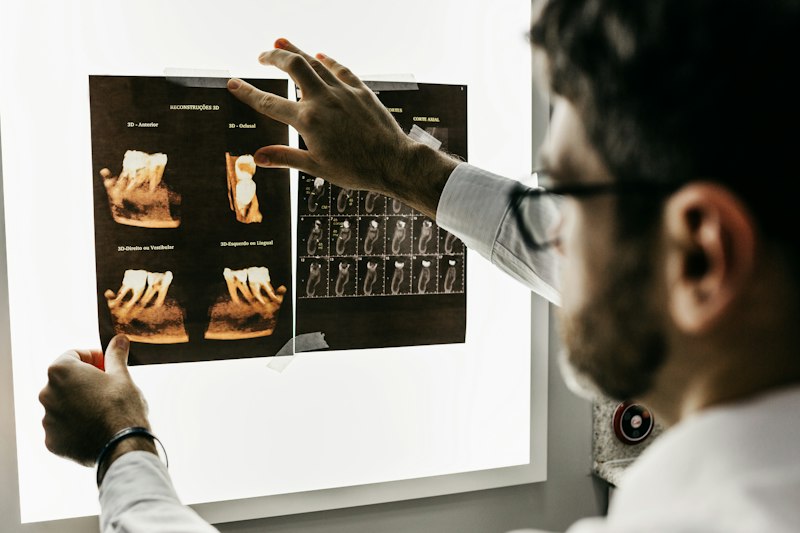
Depending on your presentation, we may take dental X-rays or refer for cone beam computed tomography (CBCT) imaging to evaluate the joint structures. Imaging helps us identify disc displacement, arthritic changes, or bone irregularities that may not be apparent from a clinical exam alone.
Personalized Treatment Planning
Once we have a clear diagnostic picture, we build a treatment plan tailored to your specific situation. For many patients, this begins with a custom-fitted oral splint and lifestyle modifications. For others, it may include Botox referral, physical therapy coordination, or an orthodontic consultation. More complex cases involving significant tooth wear or structural bite problems may be candidates for full mouth rehabilitation. Every plan is reviewed with you in plain language before any treatment begins.
Frequently Asked Questions About TMJ Pain Treatment
How do I know if I have TMD or just regular jaw soreness?
Occasional jaw soreness after a long meal or dental procedure is normal and resolves on its own within a day or two. TMD is characterized by recurring or persistent symptoms that do not have an obvious short-term cause, such as morning jaw pain on most days, clicking that happens consistently when you open your mouth, tension headaches that seem linked to jaw tightness, or ears that hurt without infection. If your symptoms have lasted more than a few weeks or are interfering with eating, sleeping, or daily comfort, a professional evaluation is warranted.
Is TMD treatment covered by dental insurance in Ohio?
Coverage varies significantly by plan. Some dental insurance plans cover oral splints and conservative TMD treatments; others classify TMD as a medical condition and route coverage through medical insurance instead. Ohio-specific policies, such as UnitedHealthcare's Ohio clinical policy on TMJ disorders, outline specific criteria for which interventions are reimbursable and what documentation is required. Our team will help you verify your benefits and understand what to expect before treatment begins.
Can TMD go away on its own without treatment?
Some mild, acute TMD episodes, such as temporary soreness after a stressful period, do resolve on their own with rest and basic home care. However, chronic or recurring TMD symptoms rarely self-resolve without addressing the underlying cause. Bruxism does not stop without intervention; bite misalignment does not correct itself; arthritic changes in the joint are progressive without management. Early intervention is significantly more effective and less costly than waiting for symptoms to become severe.
How long does it take for TMJ treatment to work?
Most patients begin to notice meaningful symptom improvement within two to four weeks of consistently wearing a custom night guard and making the recommended lifestyle modifications. Splint therapy studies document significant symptom reduction over six to twelve weeks of regular use. Results with Botox typically emerge within one to two weeks of injection and last three to six months. More complex cases involving orthodontic correction or rehabilitation take longer, but the trajectory is steady improvement with each phase of care.
Is Botox for TMJ safe, and do you offer it at Kings Dental?
OnabotulinumtoxinA (Botox) injections for jaw muscle pain have a well-established safety profile when administered by a trained dental or medical provider. As noted in the systematic review literature cited by Medscape/eMedicine, Botox is significantly effective in reducing myofascial pain intensity in TMD patients. It is a minimally invasive, outpatient procedure with no downtime. Please speak with our team during your evaluation to discuss whether Botox therapy is an appropriate component of your personalized TMD treatment plan.
Take the First Step Toward Jaw Pain Relief in Cincinnati, Ohio
Living with chronic jaw pain, morning headaches, and the constant click of a troubled joint is not something you have to accept. TMJ jaw pain treatment in Cincinnati, Ohio has never been more evidence-based or more accessible, and the overwhelming consensus from leading health authorities is that early, conservative treatment produces the best long-term outcomes. Waiting only gives the condition more time to progress.
At Kings Dental, our Cincinnati and Mason offices are equipped to provide comprehensive TMD evaluations, custom oral appliances, and individualized treatment plans built around your specific diagnosis, your lifestyle, and your goals. Whether your symptoms started recently or have been building for years, we are here to help you find lasting relief.
Do not let jaw pain define your mornings or limit what you can eat, say, or enjoy. Schedule a TMJ evaluation at Kings Dental today and take the first step toward waking up without pain.
Ready to Schedule Your Visit?
Whether you're a new or returning patient, we'd love to see you. Contact us today to book your appointment.