
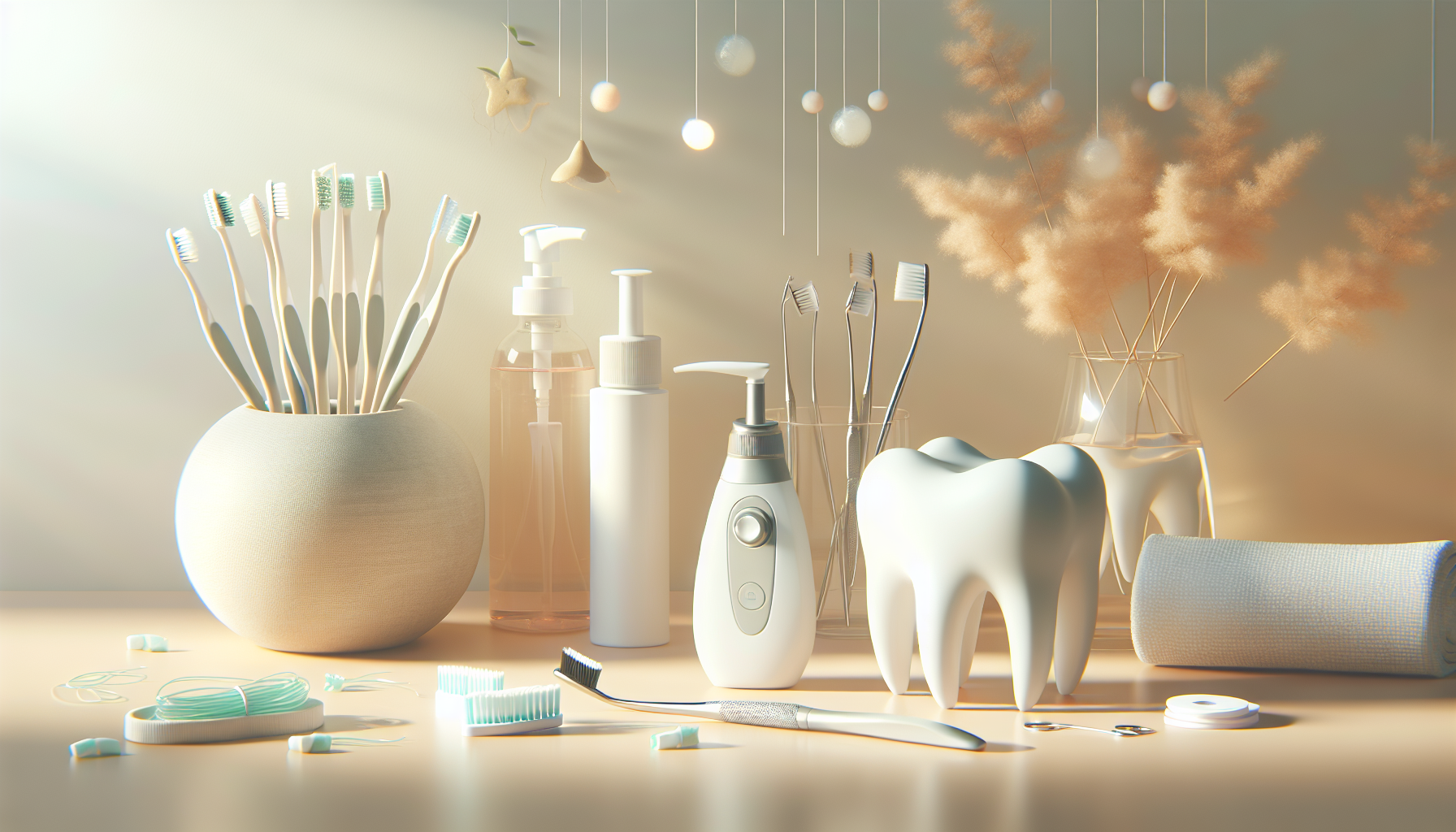
Hate Flossing? 5 Easy Alternatives That Still Keep Your Gums Healthy
Hate flossing? You have options. Discover 5 effective flossing alternatives that keep your gums healthy without the struggle of traditional string floss.
In Mason or Montgomery? Book your visit this week.
Let's Be Honest: Most People Skip Flossing
You know you're supposed to floss every day. Your dentist reminds you at every visit. But if you're like most people, flossing is the step that gets skipped, rushed, or forgotten entirely. You're not alone.
The good news? There are several effective flossing alternatives that can still protect your gums, remove plaque between teeth, and keep your smile in great shape. Whether you have trouble with dexterity, sensitive gums, braces, or just find flossing genuinely unpleasant, this list is for you.
Quick reminder: Before ditching floss entirely, check out our post on how often you should floss to understand why cleaning between your teeth matters so much.
Why Does Cleaning Between Your Teeth Even Matter?
Your toothbrush, no matter how good your brushing technique is, simply cannot reach the spaces between your teeth. That's where plaque hides, hardens into tartar, and eventually leads to cavities and gum disease.
According to the American Dental Association (ADA), cleaning between your teeth is an essential part of a complete oral hygiene routine. Skipping it entirely puts you at real risk for gum inflammation, bone loss, and tooth decay between teeth.
If traditional floss just isn't working for you, the key is finding an alternative that you will actually use consistently. That's what matters most.
5 Flossing Alternatives Worth Trying
1. Water Flossers (Oral Irrigators)
Water flossers are one of the most popular alternatives to traditional floss, and for good reason. They use a pressurized stream of water to flush out plaque and food debris from between teeth and below the gumline.
A study published in the Journal of Clinical Dentistry found that water flossers can be significantly more effective at reducing gum bleeding than traditional string floss. They are especially helpful for people with braces, dental bridges, or implants.
- Best for: Braces, implants, bridges, or anyone who finds string floss awkward
- Tip: Start on the lowest pressure setting and work your way up
- Bonus: Great for people with limited hand dexterity
2. Interdental Brushes
These tiny, cone-shaped brushes fit between your teeth and clean the contact points in a way that feels much more natural than floss. Think of them as miniature toothbrushes designed specifically for the gaps in your smile.
The ADA recognizes interdental brushes as an effective tool for plaque removal between teeth. They come in various sizes, so you can find the right fit for your smile.
- Best for: Larger gaps between teeth, dental work, or seniors
- Tip: Ask your hygienist which size fits your teeth best
- Bonus: Reusable and easy to carry in a bag or purse
3. Floss Picks
Floss picks are small plastic handles with a short piece of floss stretched across a fork-like end. They make it much easier to maneuver floss into tight spots, especially in the back of your mouth, without contorting your fingers.
Both disposable and reusable versions are available. They won't replace the full wrapping technique of traditional floss, but they are far better than nothing and can be a great option for people just starting to build a flossing habit.
- Best for: Kids, beginners, or anyone with limited dexterity
- Tip: Keep a pack by the TV or on your nightstand as a reminder
- Bonus: Inexpensive and widely available
4. Air Flossers
Air flossers work similarly to water flossers but use bursts of air and micro-droplets of water or mouthwash to clean between teeth. They tend to be less messy than water flossers and are compact enough for travel.
While research on air flossers is still growing, early studies suggest they can reduce plaque and gingivitis effectively when used consistently. They are a solid middle ground for people who like the idea of a water flosser but want something a bit more convenient.
- Best for: Travelers or those who want a compact, less messy option
- Tip: Use with an antibacterial mouthwash for added benefit
- Bonus: Quick to use, often faster than traditional flossing
5. Soft Picks or Rubber Tip Stimulators
Soft picks are flexible, rubber-tipped tools that slide between teeth to remove debris and gently massage gum tissue. They are extremely gentle, making them a great choice for people with sensitive or inflamed gums.
Rubber tip stimulators, a similar tool, can also help improve circulation in the gum tissue and remove debris along the gumline. Neither replaces floss entirely, but both are much better than skipping interdental cleaning altogether.
- Best for: Sensitive gums, early gum disease, or gentle maintenance
- Tip: Use in a slow circular motion along the gumline, not just poking between teeth
- Bonus: Very comfortable for sore or bleeding gums

What About Mouthwash? Can It Replace Flossing?
This is a question we hear a lot. Mouthwash is a fantastic addition to your oral hygiene routine, but it is not a substitute for mechanical cleaning between teeth. Rinsing simply cannot physically dislodge the plaque and food stuck between teeth the way a physical tool can.
Curious about what mouthwash actually does for your smile? We break it all down in our post on whether mouthwash can replace flossing. Spoiler: it works best as a complement to, not a replacement for, interdental cleaning.
Pro tip from our team: Use your flossing alternative of choice first, then brush, then rinse with mouthwash. This order helps remove debris before brushing and lets mouthwash coat a cleaner surface.
What Happens If You Keep Skipping Interdental Cleaning?
We don't want to scare you, but we do want you to have the full picture. When plaque sits between your teeth and along the gumline for too long, it triggers inflammation in the gum tissue. Over time, this leads to gingivitis and then periodontitis, a more serious form of gum disease that can cause tooth and bone loss.
Learn more about the warning signs of gum disease so you know what to watch for. Early gum disease is very treatable, especially with consistent periodontal care and a good home routine.
According to the Centers for Disease Control and Prevention (CDC), nearly half of American adults over age 30 have some form of gum disease. The single most effective prevention strategy is consistent daily cleaning, including between teeth.
Ready to Find the Right Routine for Your Smile?
Here at Kings Dental, serving patients across Cincinnati and Mason, Ohio, our goal is to make preventive dental care feel approachable, not overwhelming. We know that real life gets in the way, and we would rather help you find a routine that actually works for you than lecture you about the one you're not doing.
Whether you want a personalized recommendation on which flossing alternative fits your lifestyle, or you're due for a cleaning and checkup, we are here to help. Schedule a visit at Kings Dental and let's build a routine your gums will love.
Ready to Schedule Your Visit?
Whether you're a new or returning patient, we'd love to see you. Contact us today to book your appointment.