

Gum Disease Treatment in Cincinnati, Ohio: Warning Signs, What Happens If You Wait, and How Kings Dental Can Restore Your Gum Health
42% of U.S. adults have gum disease, yet many don't know it. Learn the warning signs, risks of waiting, and how Kings Dental treats periodontal disease in Cincinnati and Mason, Ohio.
In Mason or Montgomery? Book your visit this week.
Gum Disease Treatment in Cincinnati, Ohio: Warning Signs, What Happens If You Wait, and How Kings Dental Can Restore Your Gum Health
If your gums bleed when you brush, feel tender to the touch, or seem to be pulling away from your teeth, your mouth may be sending you an important warning signal. Gum disease treatment in Cincinnati, Ohio is more in demand than many people realize, because periodontal disease is one of the most common, and most underdiagnosed, chronic health conditions in the country. According to the National Institute of Dental and Craniofacial Research (NIDCR), 42.2% of U.S. adults age 30 or older have some form of periodontitis, and that number climbs to nearly 60% among adults 65 and older. In other words, if you are an adult living in Cincinnati or Mason, there is a very real chance that gum disease is already affecting your oral health right now.
The encouraging news is that gum disease is both treatable and, in its earliest stages, completely reversible. The challenge is that too many patients wait until symptoms become impossible to ignore before seeking care. By that point, the disease has often progressed from simple inflammation to the kind of deep-seated infection that can destroy the bone and tissue supporting your teeth. At Kings Dental, with convenient locations serving Cincinnati and Mason, Ohio, our team is committed to catching periodontal disease early, treating it effectively, and helping every patient protect their smile and their whole-body health for the long term.
This guide walks you through everything you need to know: the warning signs of gum disease, what happens if you delay treatment, the full range of treatment options available today, and why Cincinnati and Mason residents have unique reasons to prioritize their gum health right now.

Recognizing the Warning Signs of Gum Disease in Cincinnati Patients
Gum disease earns its reputation as a silent condition because it often develops without significant pain, especially in its early stages. Many patients are genuinely surprised to learn they have it during a routine exam. Knowing what to look for is your first line of defense.
Early Warning Signs: Gingivitis
Gingivitis is the earliest and fully reversible stage of gum disease. It is caused by the buildup of bacterial plaque along and below the gumline. If your gums are trying to tell you something, watch for these signs:
- Bleeding gums during brushing or flossing
- Red, swollen, or puffy gums rather than a healthy pink color
- Gums that feel tender when touched
- Persistent bad breath that does not resolve with brushing
- Gums that look darker than usual, especially along the gumline
It is important to understand that bleeding gums are never normal. They are a signal of inflammation, and inflammation is the body responding to bacterial infection. At the gingivitis stage, professional cleaning combined with improved home care can reverse the disease entirely.
Advancing Symptoms: Periodontitis and Beyond
When gingivitis is left untreated, the infection spreads below the gumline, destroying the bone and connective tissue that hold your teeth in place. At this stage, you may notice:
- Gums pulling away from the teeth, making teeth appear longer
- Pockets or spaces forming between teeth and gums
- Loose or shifting teeth
- Changes in your bite or how your teeth fit together
- Pus between teeth and gums
- Pain when chewing
- Tooth sensitivity to hot or cold
Advanced periodontitis represents the final, most destructive stage, where bone loss has become severe and tooth loss is an immediate risk. This is the stage that no one wants to reach, and it is entirely preventable with timely care.
Risk Factors That Increase Your Vulnerability
Some Cincinnati and Mason residents face a higher baseline risk for developing gum disease. According to NIDCR data, key risk factors include:
- Smoking: Current smokers have a 62.4% periodontitis prevalence, compared to 34.4% among nonsmokers. That is nearly double the risk.
- Diabetes: Adults with diabetes mellitus have a 59.9% periodontitis prevalence, versus 40.4% among those without diabetes.
- Age: Adults 65 and older face a 59.8% prevalence rate.
- Sex: Males have a significantly higher prevalence (50.2%) compared to females (34.6%).
- Skipping flossing: Adults who do not floss have a 53.1% periodontitis prevalence, compared to 37.9% among those who floss regularly.
- Socioeconomic factors: Adults below 100% of the federal poverty level have a 60.4% periodontitis prevalence.
- Other contributing factors: Stress, bruxism (teeth grinding and clenching), certain medications, and poor nutrition all increase gum disease risk.
Key Takeaway: Gum disease is not just a dental problem for people who skip brushing. It is a complex, multifactorial disease influenced by health status, lifestyle, genetics, and systemic conditions. Anyone can be affected, and many high-risk individuals have no pain at all.
What Happens If You Wait: The Real Cost of Untreated Gum Disease
Delaying gum disease treatment is one of the most consequential decisions a patient can make, and not just for their smile. Untreated periodontal disease affects nearly every major system in the body.
Tooth Loss Is a Real and Common Outcome
According to the Ohio Department of Health, approximately 45% of all Ohio adults have had one or more permanent teeth removed due to tooth decay or gum disease, and 7% have lost all of their teeth. Among Ohio's poorest seniors, that figure rises to a startling 37%. Adults lose more teeth to gum disease than to cavities after age 35, and three out of four adults are affected by periodontal disease at some point in their lives.
Tooth loss is not just a cosmetic issue. Missing teeth lead to bone loss in the jaw, shifting of surrounding teeth, difficulty chewing, and changes to facial structure over time. Replacing lost teeth with dental implants or other restorations is significantly more complex and costly than treating gum disease early.
The Systemic Health Connection
Research has firmly established that the mouth and the body are not separate systems. Untreated gum disease is strongly linked to a range of serious systemic health conditions:
- Heart disease: The bacteria and inflammatory markers from periodontal infections can enter the bloodstream and contribute to arterial inflammation and cardiovascular disease.
- Diabetes complications: Gum disease and diabetes have a bidirectional relationship. Diabetes increases gum disease risk, and active periodontal infection makes blood sugar harder to control.
- Stroke: Research links chronic oral infection to elevated stroke risk.
- Respiratory illness: Oral bacteria can be aspirated into the lungs, contributing to pneumonia and worsening chronic respiratory conditions.
- Adverse pregnancy outcomes: Women with active gum disease during pregnancy face higher rates of preterm birth and low birth-weight babies, a finding supported by the CDC. Yet according to the Delta Dental 2025 State of Oral Health Report, only 1 in 3 adults understands that pregnant individuals face greater gum disease risk.
The bottom line: Treating gum disease is not just about protecting your teeth. It is an investment in your cardiovascular health, metabolic health, respiratory health, and, if you are pregnant or planning to become pregnant, the health of your baby.
The Financial and Emotional Cost of Waiting
Dental anxiety drives far too many patients to delay the very care they need. The Delta Dental 2025 report found that 21% of adults have avoided dental visits due to anxiety, with fear of pain cited as the top reason. But here is the difficult truth: the longer gum disease progresses, the more intensive, invasive, and expensive the required treatment becomes. A professional cleaning that costs a fraction of surgical treatment today can prevent thousands of dollars in restorative care down the road.
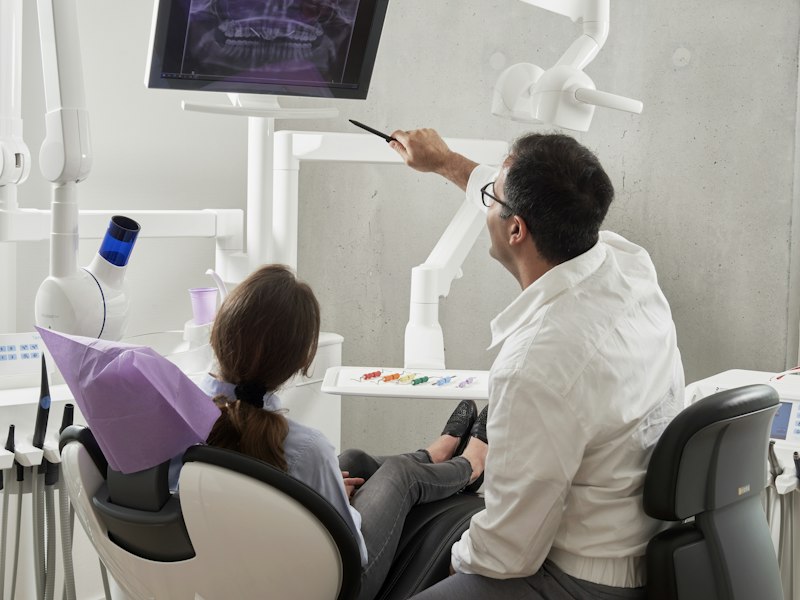
Gum Disease Treatment Options at Kings Dental: From Gentle Cleanings to Advanced Periodontal Care
The good news is that gum disease treatment has never been more effective, more comfortable, or more patient-centered than it is today. The right treatment depends entirely on how far the disease has progressed. At Kings Dental, we offer a full spectrum of periodontal care at Kings Dental tailored to each patient's unique needs and stage of disease.
Stage 1: Treating Gingivitis
Early-stage gingivitis responds well to a straightforward combination of:
- Professional deep cleaning to remove plaque and tartar buildup above and just below the gumline
- Antibacterial toothpaste or mouth rinse to reduce bacterial load at home
- Improved daily habits: brushing twice daily for two minutes, flossing once daily, and using an antimicrobial mouthwash
- A follow-up schedule to confirm the gums are healing and inflammation is resolving
This stage is the simplest and most rewarding to treat because the disease is fully reversible. With professional guidance and consistent home care, most gingivitis patients can achieve completely healthy gums.
Stage 2: Scaling and Root Planing for Periodontitis
When gum disease has advanced to periodontitis, the foundational treatment is scaling and root planing, a thorough non-surgical deep cleaning procedure performed below the gumline. Here is what the process involves:
- Scaling: Carefully removing plaque and hardened tartar (calculus) from the surfaces of the teeth below the gumline, where a standard cleaning cannot reach
- Root planing: Smoothing the root surfaces of the teeth to eliminate rough areas where bacteria like to accumulate and to help the gum tissue reattach
- Antibiotic therapy: Localized or systemic antibiotics may be prescribed to clear remaining bacterial infection
Scaling and root planing is typically performed with local anesthesia for your comfort and may be completed over one or two visits depending on the severity and extent of disease. Most patients are pleasantly surprised by how manageable the procedure is.
Stage 3: Surgical Options for Advanced Periodontitis
When bone loss and pocket depths are severe, surgical intervention becomes necessary. Advanced periodontitis treatment options include:
- Pocket reduction surgery (flap surgery): The gum tissue is gently folded back to allow deeper access for cleaning and to reduce the depth of pockets where bacteria thrive
- Soft tissue grafting: Restoring gum tissue that has receded, protecting exposed roots and improving the appearance of the smile
- Bone grafting: Rebuilding bone that has been lost to infection, creating a healthier foundation for the teeth
- Guided tissue regeneration: Using specialized membranes to encourage the body to regrow bone and connective tissue in areas where it has been destroyed
For patients who have experienced significant tooth loss due to advanced gum disease, full mouth rehabilitation may be the most comprehensive path to restoring full function and confidence.
Laser Therapy: A Minimally Invasive Alternative
One of the most significant advances in periodontal care is laser therapy, which offers a gentler alternative to traditional scalpel-based surgery for many patients. The benefits are substantial:
- Reduced or no bleeding during and after treatment
- Minimized swelling and post-operative discomfort
- No drill noise or vibration
- Limited or eliminated need for anesthesia in many cases
- Faster healing and recovery time
- Reduced risk of bacterial infection and disease relapse
For patients who have been avoiding treatment due to fear of pain or a difficult recovery, laser therapy can be a genuinely life-changing option.
Advanced Diagnostic Technology
Kings Dental embraces technology that makes diagnosis earlier and treatment more precise. The perioscope, a specialized dental endoscope, allows our clinicians to visualize the periodontal pocket and root surface in real time without surgical incision, enabling detection of cracks, bacterial accumulations, and other problems that previously required surgical access to find.
Additionally, antimicrobial photodynamic therapy (aPDT) uses light-activated compounds to destroy harmful bacteria without cutting or antibiotics, offering a non-invasive treatment option that is especially relevant given growing concerns about antibiotic resistance.
Gum Disease Prevention: Protecting Your Smile in Cincinnati and Mason, Ohio
Prevention is always more effective, more comfortable, and more affordable than treatment. The cornerstones of gum disease prevention, as endorsed by dental health authorities including the NIDCR, are straightforward:
- Brush twice daily for a full two minutes each time, using a soft-bristled toothbrush and fluoride toothpaste
- Floss once every day. NIDCR data shows adults who floss have a 37.9% periodontitis rate, compared to 53.1% among non-flossers. That single habit makes a measurable difference.
- Use an antimicrobial mouthwash to reduce bacterial load throughout the mouth
- Schedule professional cleanings twice a year, or more frequently if you have elevated risk factors
- Quit smoking or avoid tobacco use entirely
- Manage systemic conditions like diabetes with your medical team
- Eat a balanced diet rich in vitamins and minerals that support gum and bone health
Our preventive care program at Kings Dental is designed to keep your gums, teeth, and overall oral health in the best possible condition between visits. Consistent preventive care is genuinely the best investment you can make in your long-term oral health.

Why Gum Disease Treatment Matters Especially for Cincinnati and Mason, Ohio Residents
Residents of Cincinnati and Mason face a set of local and regional factors that make proactive periodontal care especially important.
Ohio's Oral Health Burden Is Real
The Ohio Department of Health documents a state-level oral health challenge that is hard to ignore. Approximately 45% of all Ohio adults have lost at least one permanent tooth to decay or gum disease. More than 3.9 million Ohio adults, or 45% of the adult population, have no dental insurance. And according to the Greater Cincinnati Regional Oral Health Plan, cost and access barriers are pushing many lower-income area residents toward delayed care or emergency room visits instead of preventive dentistry, allowing gum disease to advance far beyond the point where simple treatment would have been effective.
Our Aging Population Faces the Highest Risk
The Cincinnati metro area has a growing senior population, and NIDCR data shows that periodontitis affects 59.8% of adults 65 and older. The Ohio Department of Health further reports that 37% of the region's poorest seniors have lost all of their teeth. Early, consistent periodontal care is the most powerful tool available to protect older adults from these outcomes. If you have a parent or grandparent who is overdue for a dental exam, this is the time to help them schedule one.
Dental Anxiety Is Not a Reason to Wait
We understand that fear keeps many Cincinnati and Mason residents away from the dental chair. The Delta Dental 2025 report found that 21% of adults avoid dental care due to anxiety, with pain cited as the top concern by 59% of anxious adults. At Kings Dental, our approach is built around patient comfort. Laser therapy, the perioscope, gentle techniques, and clear communication before every procedure are all part of how we help even our most anxious patients get the care they need without dread.
Flexible Financing for Every Budget
We know that the cost of care is a real concern for many families. Kings Dental offers flexible financing options to help make periodontal treatment accessible, regardless of whether you have dental insurance. We are committed to ensuring that cost is not a barrier between you and the healthy gums you deserve.
Frequently Asked Questions About Gum Disease Treatment in Cincinnati, Ohio
How do I know if I have gum disease?
Common signs include bleeding gums when you brush or floss, red or swollen gums, persistent bad breath, gums that are pulling away from your teeth, loose teeth, or changes in your bite. However, gum disease can be present without obvious symptoms, especially in its early stages. The most reliable way to know is through a professional periodontal evaluation, which includes measuring the pocket depths around each tooth. If you are in the Cincinnati or Mason area and have not had a periodontal screening recently, we encourage you to schedule one.
Is gum disease treatment painful?
Modern periodontal treatment is far more comfortable than most patients expect. Procedures like scaling and root planing are performed with local anesthesia, and laser therapy options significantly reduce discomfort during and after treatment. Most patients report that the experience was much easier than they anticipated. If dental anxiety has been keeping you from seeking care, please know that our team is experienced in helping nervous patients feel at ease throughout every visit.
Can gum disease come back after treatment?
Gum disease can recur if the underlying bacterial environment is not managed consistently. That is why ongoing preventive care and regular periodontal maintenance visits are so important after treatment. Your Kings Dental team will create a personalized maintenance schedule, typically every three to four months for the first year following active treatment, to monitor your gum health and catch any early signs of recurrence before they progress.
What happens if I have already lost teeth due to gum disease?
Tooth loss from gum disease is a significant concern, but it does not have to be permanent. After your gum disease is successfully treated and your gum tissue is stable, tooth replacement options including dental implants can restore your smile, your bite, and your quality of life. For patients with more extensive tooth loss, full mouth rehabilitation offers a comprehensive treatment path. Our team will evaluate your situation and recommend the most appropriate options for your needs.
Is gum disease treatment covered by dental insurance?
Many dental insurance plans cover at least a portion of gum disease treatment, including scaling and root planing. Coverage varies widely by plan. Our team will help you understand your benefits before treatment begins. For patients without insurance or with out-of-pocket expenses, we offer flexible financing options to help make care manageable. We believe that every Cincinnati and Mason patient deserves access to the periodontal care they need.
Restore Your Gum Health: Take the First Step at Kings Dental Today
Gum disease is the leading cause of tooth loss in adults, it is deeply connected to serious whole-body health conditions, and it is present in nearly half of all American adults over the age of 30. But here is the most important thing to remember: it is treatable, and the sooner you seek care, the better your outcome will be.
Whether you have noticed the early signs of gingivitis, have been living with more advanced gum disease symptoms, or simply cannot remember your last periodontal screening, Kings Dental is here for you. Our experienced team provides the full spectrum of periodontal care at Kings Dental, from gentle preventive cleanings to advanced laser-assisted therapy, all in a warm, patient-centered environment designed to put you at ease. Serving families throughout Cincinnati and Mason, Ohio, we are your partner in protecting not just your smile but your overall health.
Do not let another day pass while gum disease quietly progresses. Schedule an appointment at Kings Dental today and take the first, most important step toward healthier gums, a stronger smile, and a healthier you.
Ready to Schedule Your Visit?
Whether you're a new or returning patient, we'd love to see you. Contact us today to book your appointment.