
Receding Gums Treatment in Cincinnati, Ohio: Causes, Solutions, and How to Save Your Smile
Discover the causes and effective solutions for receding gums. Learn how minimally invasive treatments in Cincinnati, Ohio, can stop tissue loss, reduce sensitivity, and protect your healthy smile.
In Mason or Montgomery? Book your visit this week.
Is Your Smile Looking a Little Longer Lately?
Have you noticed that your teeth appear longer than they used to? Perhaps you are experiencing a sudden, sharp jolt of pain when drinking a hot cup of coffee or a cold glass of water. If these symptoms sound familiar, you might be dealing with gum recession. You are not alone. According to data from the Centers for Disease Control and Prevention (CDC), gum recession affects a staggering 88 percent of adults over the age of 65.
Gum recession is a condition where the pink tissue surrounding your teeth pulls back or wears away. This exposes more of the tooth and, eventually, the sensitive tooth root. Not only does this change the appearance of your smile, but it also opens the door to a host of dental problems, including severe sensitivity, root decay, and even tooth loss if left untreated.
For residents in our area, finding effective receding gums treatment Cincinnati Ohio is crucial. The brisk, cold winter air and our love for steaming hot beverages can make living with exposed tooth roots incredibly uncomfortable. Fortunately, advancements in modern dentistry offer a variety of effective solutions. Kings Dental is here to guide you through understanding the causes, recognizing the symptoms, and exploring the best treatments available to restore your oral health.
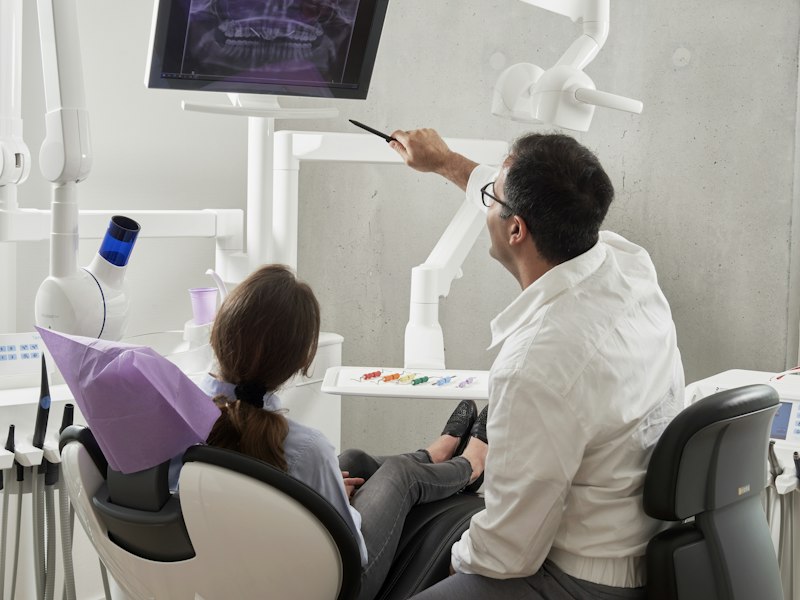
Understanding Gum Recession: What Is It?
Gum recession is a gradual process. In fact, it happens so slowly that many people do not realize it is occurring until they experience sharp dental pain from hot or cold foods and beverages. When the gingival margin (the edge of the gum tissue) pulls away from the crown of the tooth, it leaves the root vulnerable.
Unlike the crown of your tooth, which is protected by a hard layer of enamel, the tooth root is covered by a softer material called cementum. Cementum is not designed to withstand the harsh environment of the mouth, the acids from our food, or the friction from a toothbrush. Once exposed, it wears away quickly, leading to sensitivity and an increased risk of cavities.
It is important to understand that gum tissue cannot regenerate on its own. A publication in NIH-indexed journals highlighted clinical studies showing that teeth with untreated gingival recession experienced an increase in recession by 0.7 to 1.0 mm over a 10 to 27-year period. This means that without intervention, the problem will only get worse.
Common Causes of Receding Gums
Several factors can contribute to the loss of gum tissue. Understanding the root cause is the first step in determining the most effective course of action. Here are the most common culprits:
1. Periodontal Disease
The leading cause of gum recession is periodontal disease, a bacterial infection that destroys the attached gum tissue and the supporting bone that holds your teeth in place. If you are noticing your gums pulling back, you may be experiencing the effects of advanced gum disease. Regular dental visits are essential for catching this infection early before irreversible damage occurs.
2. Aggressive Brushing
While good oral hygiene is essential, there is such a thing as being too enthusiastic. If you are brushing your teeth too hard or using a hard-bristled toothbrush, you can actually wear down your tooth enamel and cause your gums to recede. We always recommend using a soft-bristled brush and a gentle, circular motion to clean your teeth without traumatizing your gums.
3. Poor Dental Hygiene
Conversely, inadequate brushing and flossing allow plaque to build up on your teeth. This plaque hardens into tartar, which can only be removed by a dental professional. Tartar buildup irritates the gums, causing them to inflame and pull away from the teeth.
4. Orthodontic Treatment
Moving teeth into their correct positions is a complex biological process. Orthodontic tooth movement is a known risk factor for recession. Studies have suggested a 10 to 20 percent incidence of gingival recession evaluated up to 5 years following the completion of orthodontic therapy. This does not mean you should avoid braces, but it does mean your dentist needs to monitor your gums closely during and after treatment.
5. Genetics
Sometimes, the structural characteristics of your gums are simply inherited. Some people are born with naturally thin or weak gum tissue, making them more susceptible to recession regardless of their oral hygiene habits.
Why Early Intervention is Crucial
Because receding gums cannot heal themselves, catching the condition early is vital. When you notice the first signs of recession, you have a brief window of opportunity to stop receding gums from getting worse using non-surgical methods.
Ignoring the problem allows bacteria to accumulate in the deep pockets formed between the teeth and the remaining gum line. This bacteria will eventually attack the jawbone, leading to loose teeth and, ultimately, tooth loss. Protecting your smile requires proactive care and partnering with a trusted dental team.

Receding Gums Treatment Cincinnati Ohio: Your Options
When searching for receding gums treatment Cincinnati Ohio, you will find that our region offers world-class dental care. The Greater Cincinnati area is supported by local academic excellence, such as the UC Health Advanced Education in General Dentistry (AEGD) residency program, which ensures that local practitioners are well-versed in the latest evidence-based therapies. At Kings Dental, we provide a comprehensive range of treatments tailored to the severity of your recession.
Non-Surgical Treatments for Mild Recession
If we catch your gum recession in its early stages, surgical intervention may not be necessary. Non-surgical treatments focus on halting the progression of the disease and creating a healthy environment for your remaining tissue.
- Scaling and Root Planing: Also known as a deep cleaning, this procedure involves carefully removing plaque and tartar from the tooth surfaces and beneath the gum line. The exposed tooth roots are then smoothed (planed) to make it harder for bacteria to attach, allowing the gum tissue to heal and reattach more firmly to the tooth.
- Behavioral Modifications: We will work with you to correct aggressive brushing techniques and ensure you are using the proper tools, such as an ultra-soft toothbrush and non-abrasive toothpaste.
- Desensitizing Agents: To combat the sharp pain associated with exposed roots, we can apply special varnishes or prescribe desensitizing toothpastes to block the nerve signals in the tooth.
Surgical Treatments for Moderate to Severe Recession
When recession has progressed significantly, non-surgical methods are no longer sufficient. Once the tissue is lost, surgical intervention is required to restore the barrier against bacterial penetration and protect the tooth root. Fortunately, modern periodontal care offers highly effective and increasingly comfortable surgical solutions.
Traditional Gum Grafting
For decades, traditional connective tissue grafting has been the gold standard for treating severe recession. During this procedure, a small flap of skin is cut at the roof of your mouth (the palate). Tissue from under the flap is removed and stitched to the gum tissue surrounding the exposed root. While highly predictable and successful, the recovery from the palate donor site can be uncomfortable for some patients.
Minimally Invasive Grafting Alternatives
Dental science has evolved dramatically, and patients today have access to less invasive techniques that utilize alternative graft materials (such as processed dermal matrices). These advancements eliminate the need to harvest tissue from the roof of the mouth, significantly reducing postoperative pain and bleeding.
Research from the Tufts University School of Dental Medicine on minimally invasive grafting showed remarkable results. In their studies, 65 percent of treated teeth had complete root coverage at 6 months, maintaining 57 percent coverage at 36 months.
"Patients have a less invasive treatment option for receding gums and we now have evidence to support the stability of this relatively painless procedure. Instead of leaving the dental office with stitches in the roof of their mouth, a patient leaves with a small bandage on the arm that can be removed in an hour."
Dr. Terrence Griffin, Tufts University School of Dental Medicine
This shift toward patient comfort is vital. As Dr. Wai Cheung, also from Tufts University, noted, previous research determined that pain and discomfort were significant barriers preventing patients from receiving traditional gum grafting surgery. These modern treatments provide proper root coverage and better aesthetics while enhancing overall patient satisfaction.
The Cincinnati Advantage: Protecting Your Smile Year-Round
Living in Cincinnati and Mason, Ohio, means experiencing all four seasons to their fullest. However, the dramatic shift in temperatures can be brutal for patients with untreated gum recession. Breathing in frigid winter air or sipping on hot cocoa at a local winter festival can trigger intense, shooting pain in teeth with exposed roots.
By seeking proactive receding gums treatment Cincinnati Ohio residents can protect their smiles from these seasonal extremes. Whether you need a simple adjustment to your oral hygiene routine, a deep cleaning, or a minimally invasive gum graft, taking action now will save you from significant discomfort and costly restorative procedures down the road.
Frequently Asked Questions About Gum Recession
Can receding gums grow back naturally?
No. Once gum tissue has receded, it cannot grow back or regenerate on its own. However, with professional treatment, we can stop the recession from worsening and, through surgical grafting, restore the lost tissue to protect your tooth roots.
Does gum grafting surgery hurt?
While traditional grafting methods involve some discomfort during the healing process, modern minimally invasive techniques have drastically reduced postoperative pain. During the procedure itself, local anesthesia ensures you will not feel any pain. We also offer various sedation options to keep you relaxed and comfortable.
How can I prevent gum recession?
The best way to prevent gum recession is to practice excellent oral hygiene. Brush twice a day using a soft-bristled toothbrush and a gentle touch. Floss daily to remove plaque from between the teeth. Most importantly, maintain your regular dental checkups and professional cleanings so we can monitor your gum health and catch any early signs of trouble.
Is receding gums treatment covered by insurance?
Dental insurance coverage varies widely depending on your specific plan. In many cases, treatments for gum recession, such as scaling and root planing or medically necessary gum grafting, are partially covered. Our knowledgeable team at Kings Dental will help you navigate your insurance benefits and explore financing options to ensure you get the care you need.
Take Control of Your Periodontal Health Today
Your gums are the foundation of a healthy, beautiful smile. If you are experiencing sensitivity, noticing your teeth looking longer, or suspect you might have gum recession, do not wait for the problem to escalate. Early intervention is the key to preserving your natural teeth and avoiding complex surgical procedures.
At Kings Dental, we are committed to providing compassionate, state-of-the-art care for our patients in Cincinnati and Mason. We utilize the latest evidence-based techniques to ensure your treatment is as effective and comfortable as possible.
Do not let gum recession steal your confidence or cause you unnecessary pain. Schedule an appointment at Kings Dental today, and let our expert team evaluate your smile and design a personalized treatment plan just for you.
Ready to Schedule Your Visit?
Whether you're a new or returning patient, we'd love to see you. Contact us today to book your appointment.