

Should You Wet Your Toothbrush Before or After Applying Toothpaste?
Discover whether you should be wetting your toothbrush before or after applying toothpaste, backed by dental research and expert guidelines.
In Mason or Montgomery? Book your visit this week.
It is a question that divides households across Cincinnati and Mason every morning and night. Do you put toothpaste on a dry brush, run it under the tap first, or wet it only after the paste is applied? The habit of wetting your toothbrush is deeply ingrained for many people, but is there a medically correct way to do it?
As it turns out, dental researchers and major health organizations have looked into the best methods for keeping your teeth clean. While personal preference plays a big role, understanding the science behind brushing can help you get the most out of your daily routine.
The Great Debate: Wetting Your Toothbrush Before or After?
Many of us were taught to run the brush under the faucet before applying toothpaste. According to guidelines from Delta Dental, the very first step of brushing is to wet your toothbrush and apply a pea-sized amount of fluoride toothpaste. The moisture helps activate the toothpaste and creates the foaming action that carries away food particles.
However, if you prefer to skip the water entirely, you are not doing anything wrong. A study published in the Journal of the Indian Society of Pedodontics and Preventive Dentistry compared the effects of dry and wet brushing on dental plaque removal in children aged 10 to 12 years. The researchers concluded that dry and wet brushing did not show a significant difference in their capacity to remove plaque, indicating that dry brushing can be considered an acceptable technique.
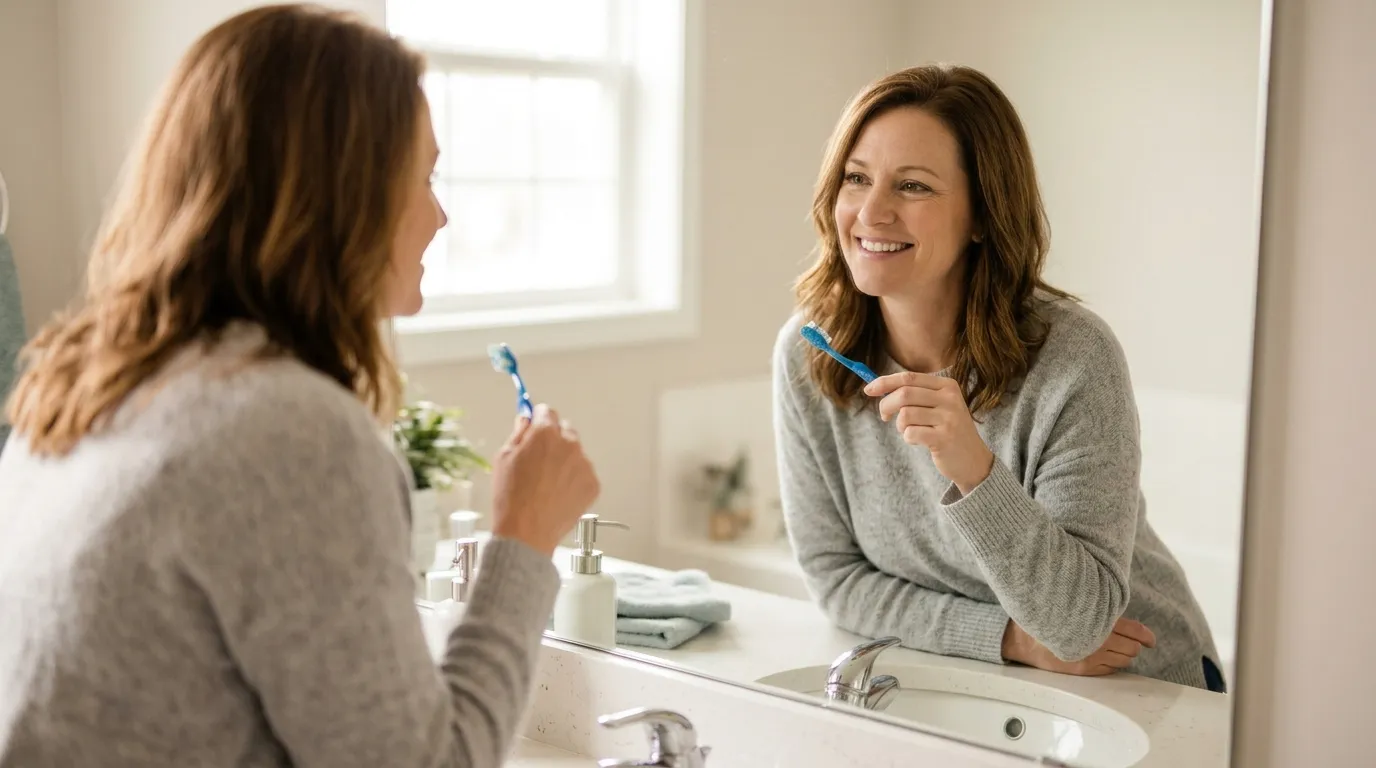
Whether you choose to wet the bristles before adding paste, after adding paste, or not at all, the mechanical action of the bristles is what truly cleans your teeth. The choice often comes down to comfort. Wetting the toothbrush can help soften the bristles slightly. We always want patients to be as comfortable as possible during their home care, though we know that everyone experiences sensitivity differently.
Optimizing Your Brushing Routine
Getting your toothbrush wet is just one small part of a solid preventive dental care routine. How you brush matters much more than whether the bristles start out wet or dry. When you are using standard cavity protection, a whitening toothpaste, or even occasionally brushing with baking soda, following proper technique is essential.
- Use the right angle: The Cleveland Clinic recommends placing your toothbrush at a 45-degree angle toward your gums. This positioning helps sweep away plaque and bacteria right at the gum line.
- Choose soft bristles: Hard bristles do not clean your teeth any better than soft ones. In fact, they can potentially damage your enamel and irritate your gums over time.
- Brush twice a day: Consistency is key. Brushing in the morning and at night ensures that plaque does not have time to harden into tartar.
"It’s most effective to wait at least 30 minutes before rinsing, eating, or drinking after you brush your teeth."
One of the most surprising tips for many patients involves what you do after you finish brushing. According to Delta Dental, you should spit out any excess toothpaste and either rinse very gently or not at all right away. Rinsing immediately washes away the protective fluoride that helps add minerals back into teeth damaged by plaque acid. Waiting 30 minutes before rinsing gives the fluoride time to do its job.
How to Keep Your Toothbrush Clean
If you are wetting your toothbrush, you also need to make sure the brush itself is clean before it goes into your mouth. Proper toothbrush hygiene prevents the buildup of unwanted bacteria.

The Cleveland Clinic suggests simply rinsing your toothbrush in hot water after you use it to dislodge any chunks of toothpaste or food. You do not need to run it through the dishwasher or use a microwave, as the high heat can damage the brush.
After rinsing, how you store your brush is critical. The American Dental Association states that you should store toothbrushes in an upright position and allow them to air dry. Storing a moist toothbrush in a closed container actually promotes microbial growth more than leaving it exposed to the open air. Because the bacteria that live on a toothbrush are typically anaerobic, they will die in the presence of oxygen as the brush air dries.
The ADA also notes that one study showed soaking a toothbrush in 3 percent hydrogen peroxide or Listerine mouthwash reduces the bacterial load by 85 percent, though thorough rinsing and air drying is generally sufficient for everyday care. Finally, never share your brush with anyone else. For more details on why this is so important, you can read our article on keeping your toothbrush clean.
Personalized Advice for Your Smile
While general guidelines are a great starting point, every smile is different. Some patients benefit from specific brushing techniques, specialized toothpastes, or alternative tools like electric toothbrushes or water flossers. Any specific treatment or product recommendation requires a comprehensive dental exam to determine if it is suitable for your unique needs, as well as a discussion of any potential risks and alternatives.
Whether you are a devoted pre-wetter, a post-wetter, or a dry brusher, the most important thing is that you are keeping up with your daily habits and attending regular checkups. If you live in the Cincinnati or Mason area and want to make sure your home care routine is working effectively, we are here to help. Schedule a visit at Kings Dental today.
This article is for general information only and is not a substitute for advice from your dentist. Please schedule a visit to discuss your situation.
Ready to Schedule Your Visit?
Whether you're a new or returning patient, we'd love to see you. Contact us today to book your appointment.