
Sensitive Teeth Treatment in Mason, Ohio: Causes, Solutions, and Finding Relief
Struggling with sharp dental pain from hot or cold foods? Discover the clinical causes of dentin hypersensitivity and learn about advanced sensitive teeth treatments available in Mason, Ohio.
In Mason or Montgomery? Book your visit this week.
Finding Relief from Dental Discomfort
If you have ever felt a sharp, sudden jolt of pain after taking a sip of hot coffee or biting into ice cream, you know exactly how disruptive tooth sensitivity can be. This sudden discomfort is not just an annoyance. It is a clear signal from your body that your teeth need attention. Fortunately, effective sensitive teeth treatment in Mason Ohio is highly accessible, and understanding the root cause is the first step toward lasting relief.
At Kings Dental, we proudly serve families throughout the Cincinnati and Mason areas. We know that environmental factors, dietary habits, and daily oral hygiene routines all play a role in dental health. When the protective outer layers of your teeth wear down, the sensitive nerves inside become vulnerable to temperature changes and physical pressure.
In this comprehensive guide, we will explore the science behind dentin hypersensitivity, the most effective clinical treatments available today, and the steps you can take at home to protect your smile. Whether you are dealing with a minor twinge or severe daily discomfort, our team is here to help you navigate your options and restore your quality of life.
Understanding Dentin Hypersensitivity
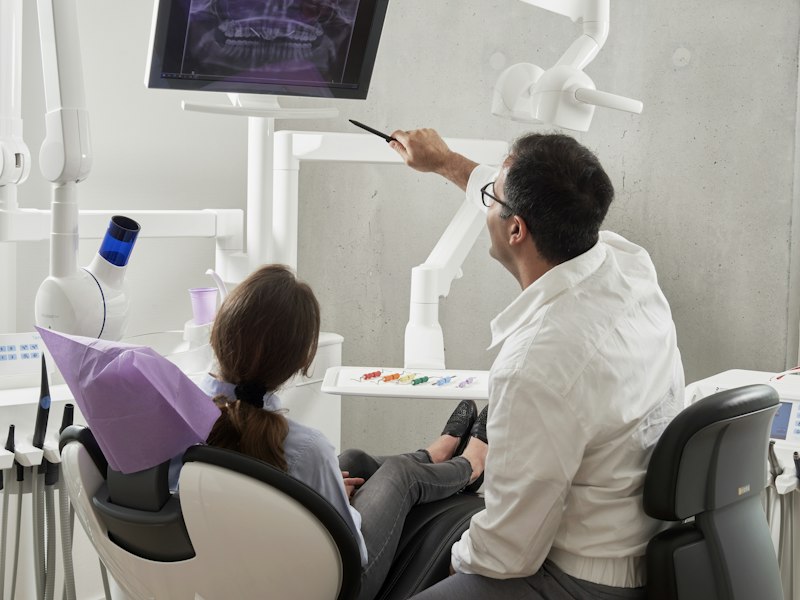
To understand how to treat sensitive teeth, we must first look at the anatomy of a tooth. The crown of your tooth is covered by enamel, which is the hardest substance in the human body. Beneath the enamel lies the dentin. Dentin is a porous layer containing thousands of microscopic channels, or tubules, that lead directly to the dental pulp where the nerves reside.
When the protective enamel wears away, or when the gum tissue recedes and exposes the root surface, these tubules lose their shield. Hot, cold, sweet, or acidic stimuli can then travel through the tubules and trigger a sharp nerve response. This condition is clinically known as dentin hypersensitivity.
Dentin hypersensitivity is a highly prevalent condition characterized by short, sharp pain arising from exposed dentin in response to stimuli, typically thermal, evaporative, tactile, osmotic, or chemical.
Common Causes of Enamel Erosion and Gum Recession
Several everyday factors contribute to the breakdown of enamel and the recession of gums. Identifying these habits is crucial for long-term prevention and effective sensitive teeth treatment in Mason Ohio.
- Aggressive Brushing: Brushing too hard or using a hard-bristled toothbrush can physically scrub away your enamel and damage delicate gum tissue. If your toothbrush bristles look frayed after a few weeks, you might be applying too much pressure. Be sure to look out for signs of overbrushing to protect your smile.
- Acidic Foods and Beverages: Frequent consumption of citrus fruits, sodas, and sports drinks can chemically erode enamel over time.
- Bruxism (Teeth Grinding): Clenching or grinding your teeth, especially at night, places immense stress on the enamel, leading to micro-fractures and severe wear. Wearing a custom night guard can significantly reduce this damage.
- Gum Disease: Periodontal disease causes the gums to pull away from the teeth, exposing the highly sensitive root surfaces which lack a protective enamel coating.
- Tooth Damage: Chips, fractures, or decay can breach the enamel. If you experience sudden, localized pain when chewing, you should learn how to recognize cracked tooth symptoms and seek prompt care.
The Mason and Cincinnati Climate Factor
For residents of Mason and Cincinnati, Ohio, the local climate can be a significant trigger for dental pain. Our region experiences distinct seasonal changes, and the freezing temperatures of winter are particularly harsh on exposed dentin.
Breathing in cold Ohio winter air through your mouth causes a rapid drop in the temperature of your teeth. For someone with healthy enamel, this is barely noticeable. However, for someone with exposed dentin tubules, this cold air forces fluid inside the microscopic channels to contract, pulling on the nerve endings and causing immediate, sharp pain. This is a primary reason why your teeth hurt more in cold weather.
Furthermore, residents often counter the cold weather by consuming large quantities of hot beverages like coffee, tea, and hot chocolate. The rapid fluctuation between freezing cold air and scalding hot liquids creates thermal stress on the teeth, worsening the symptoms of hypersensitivity.

Science-Backed Sensitive Teeth Treatment in Mason Ohio
Dental science has advanced significantly in recent years. Modern treatments focus on physically blocking the exposed tubules rather than simply numbing the nerve. Clinical studies highlight two primary categories of advanced desensitizing agents: Stannous Fluoride (SnF2) and Biomimetic Hydroxyapatite (HAP).
The Power of Stannous Fluoride and Oxalates
Traditionally, many desensitizing toothpastes relied on Potassium Nitrate (KNO3), which works by depolarizing the nerve to prevent it from sending pain signals. However, recent clinical trials have demonstrated that tubule-occluding technologies provide faster and more robust relief.
A study published by the National Institutes of Health (NIH) evaluated the kinetic benefits of various desensitizing agents. The findings revealed that treatments using oxalates and Stannous Fluoride (SnF2) work faster and treat tooth sensitivity to a greater extent than nerve-depolarizing agents. In an 8-week trial, these tubule-occluding treatments maintained 68% to 83% of thermal sensitivity relief even three weeks after the treatment was stopped.
Biomimetic Hydroxyapatite (HAP) for Enamel Restoration
Hydroxyapatite is the primary mineral that makes up your tooth enamel and dentin. Biomimetic Hydroxyapatite (HAP) is a synthetic version designed to mimic this natural mineral. When applied to the teeth, HAP particles bind directly to the enamel and fill in the exposed dentin tubules, effectively rebuilding the protective layer.
According to an updated systematic review and meta-analysis published in the MDPI Journal of Biomimetics, HAP toothpaste is remarkably effective. A meta-analysis of 22 randomized controlled trials showed a significant reduction of 39.5% in dentin hypersensitivity when HAP toothpaste was used exclusively for a few weeks. Some clinical studies even show that HAP can reduce sensitivity by up to 80% compared to placebos, especially for patients experiencing post-bleaching sensitivity.
At-Home Care and Behavioral Modifications
While professional treatments provide the foundation for relief, your daily habits play a vital role in maintaining a pain-free smile. The Kings Dental team recommends the following evidence-based practices for managing sensitivity at home.
Mastering Your Brushing Technique
The type of toothpaste you use and how you apply it matters immensely. When choosing the right toothpaste, look for formulas containing Stannous Fluoride or Hydroxyapatite.
For immediate symptom relief, clinical guidelines highly recommend a targeted application technique. Instead of just brushing, you can massage a pea-sized amount of SnF2 or HAP desensitizing toothpaste directly onto the sensitive teeth using a clean fingertip. Leave it on for a minute before rinsing. This concentrated application allows the active ingredients to rapidly occlude the open tubules.
Timing Your Oral Hygiene
It might seem logical to brush your teeth immediately after a meal to maintain good hygiene. However, doing so after consuming highly acidic foods can actually cause more harm than good. Acidic foods and drinks temporarily soften the enamel. If you brush while the enamel is in this weakened state, you risk scrubbing away microscopic layers of your tooth structure.
Clinical guidelines established by dental organizations, including recommendations noted by the American Dental Association (ADA), advise patients to wait at least 60 minutes after consuming acidic foods before brushing. During this waiting period, your saliva naturally neutralizes the acids and helps remineralize the enamel.
Professional Treatments at Kings Dental
When at-home methods are not enough, professional intervention is necessary. At Kings Dental, we offer a range of clinical solutions tailored to your specific needs.
- Fluoride Varnish Applications: We can apply high-concentration fluoride varnishes directly to the sensitive areas of your teeth. This strengthens the enamel and provides a durable barrier over exposed dentin.
- Dental Bonding: If gum recession has left your tooth roots severely exposed, we can apply a tooth-colored composite resin to cover and protect the sensitive surfaces.
- Root Canal Therapy: In severe cases where sensitivity is caused by deep decay or a fractured tooth that has infected the dental pulp, a root canal may be the most effective way to eliminate the pain entirely.
- Periodontal Care: Treating underlying gum disease is essential to stop further recession and protect the structural integrity of your teeth.
Frequently Asked Questions About Sensitive Teeth
Can a cavity cause sudden tooth sensitivity?
Yes. A cavity is a hole in your enamel caused by tooth decay. As the cavity grows deeper and reaches the dentin, it exposes the inner nerves to temperature changes and sugars, resulting in sharp pain. If you suspect a cavity, it is crucial to seek sensitive teeth treatment in Mason Ohio immediately to prevent further decay.
Is tooth sensitivity permanent?
Not necessarily. While lost enamel does not regenerate naturally, the symptoms of sensitivity can be successfully managed and often eliminated using advanced tubule-occluding toothpastes, fluoride treatments, and dental bonding. With the right care regimen, you can enjoy a pain-free smile.
Why are my teeth sensitive after whitening?
Teeth whitening products contain bleaching agents like hydrogen peroxide, which temporarily increase the porosity of the enamel to lift stains. This allows stimuli to reach the nerves more easily. Using a Biomimetic Hydroxyapatite (HAP) toothpaste before and after whitening treatments has been clinically proven to significantly reduce this temporary sensitivity.
Does receding gums always cause sensitivity?
While receding gums are a leading cause of exposed dentin and subsequent sensitivity, not everyone with mild recession experiences pain immediately. However, exposed roots are much softer than enamel and are highly susceptible to rapid decay and physical wear, making proactive treatment essential.
Schedule Your Visit for Lasting Relief
Living with dental pain is unnecessary and exhausting. The science of oral health has provided us with remarkable tools to combat dentin hypersensitivity effectively. From advanced stannous fluoride applications to biomimetic enamel restoration, the solutions available today are faster and more reliable than ever before.
If you are struggling with thermal or tactile pain, do not wait for the symptoms to worsen. Early intervention prevents further enamel degradation and protects the long-term health of your smile. The experienced team at Kings Dental is dedicated to identifying the exact cause of your discomfort and providing personalized, evidence-based care.
Ready to enjoy your favorite hot and cold foods without fear? Take the first step toward a comfortable, healthy smile today. Schedule an appointment at Kings Dental and discover the best sensitive teeth treatment in Mason Ohio.
Ready to Schedule Your Visit?
Whether you're a new or returning patient, we'd love to see you. Contact us today to book your appointment.