How to Actually Prevent Cavities (Beyond Just Brushing Your Teeth)
Brushing is just the start. Discover proven cavity prevention tips backed by the ADA and CDC to protect your smile beyond the basics.
In Mason or Montgomery? Book your visit this week.
Most people know the basics: brush your teeth, don't eat too much candy, see your dentist regularly. But if brushing alone were enough, cavities wouldn't be one of the most common chronic conditions in the United States. According to the CDC, more than 90% of adults have had at least one cavity in their lifetime. Clearly, there's more to the story.
The good news? Cavity prevention is very achievable when you understand what actually causes tooth decay and which habits make the biggest difference. Here's what the science says, along with some practical cavity prevention tips you can start using today.
What Actually Causes Cavities?
Cavities don't just happen because you skipped brushing once. They develop when bacteria in your mouth feed on sugars and starches, producing acids that slowly wear away your tooth enamel. Over time, those acids create tiny holes in the enamel, which are the cavities you're trying to avoid.
The American Dental Association (ADA) explains that tooth decay is a process, not a single event. That means there are many opportunities to interrupt it before a cavity forms. Knowing that, let's look at what actually moves the needle.

Are You Brushing and Flossing the Right Way?
Yes, brushing twice a day is essential. But brushing technique actually matters more than most people realize. Using too much pressure, the wrong angle, or a hard-bristled brush can leave plaque behind and even damage your enamel over time.
Here's a quick checklist for brushing and flossing done right:
- Use a soft-bristled toothbrush and hold it at a 45-degree angle to your gums.
- Brush for a full two minutes, covering all surfaces of every tooth.
- Use fluoride toothpaste. Fluoride strengthens enamel and helps remineralize early decay, according to the National Institute of Dental and Craniofacial Research (NIDCR).
- Floss every single day. No exceptions. Brushing only cleans about 60% of your tooth surfaces. Check out our honest take on how often you should really be flossing.
Pro tip: If you're not sure whether you're brushing correctly, ask your hygienist at your next visit. A quick demonstration can make a real difference in your cavity risk.
What Else Can You Do to Prevent Cavities?
This is where most cavity prevention conversations fall short. Brushing and flossing are the foundation, but they're not the whole picture. Here are the habits that often get overlooked.
Watch What You Eat and Drink
Sugary and starchy foods are the primary fuel source for cavity-causing bacteria. But it's not just about what you eat. It's also about how often you eat it. Sipping on soda or snacking throughout the day keeps your teeth in a constant state of acid exposure.
We have a full breakdown of foods that protect or damage your teeth on the Kings Dental blog. A few highlights:
- Limit sugary drinks like soda, juice, and sports drinks. Even diet versions can be acidic.
- Snack less frequently. Every time you eat, you trigger an acid attack on your enamel that lasts about 20 minutes.
- Choose tooth-friendly snacks like cheese, nuts, plain yogurt, and raw vegetables. These help neutralize acids and stimulate saliva.
- Drink more water, especially fluoridated tap water. The CDC considers community water fluoridation one of the top public health achievements of the 20th century for a reason.
Use Mouthwash Strategically
Mouthwash isn't just for fresh breath. A fluoride or antibacterial rinse can reach areas that brushing and flossing miss, helping to reduce the bacteria that cause decay. That said, it works best as a complement to brushing and flossing, not a replacement.
Curious about whether mouthwash actually helps fight cavities? We break it all down in a dedicated post so you can make an informed choice for your routine.
Chew Sugar-Free Gum After Meals
This one surprises a lot of patients. Sugar-free gum can actually help prevent cavities by stimulating saliva production. Saliva is your mouth's natural defense system. It neutralizes acids, washes away food particles, and delivers minerals to your enamel.
Look for gum sweetened with xylitol, a natural sugar alcohol shown in research published by the National Institutes of Health (NIH) to reduce levels of cavity-causing bacteria in the mouth.
Don't Skip Your Dental Checkups
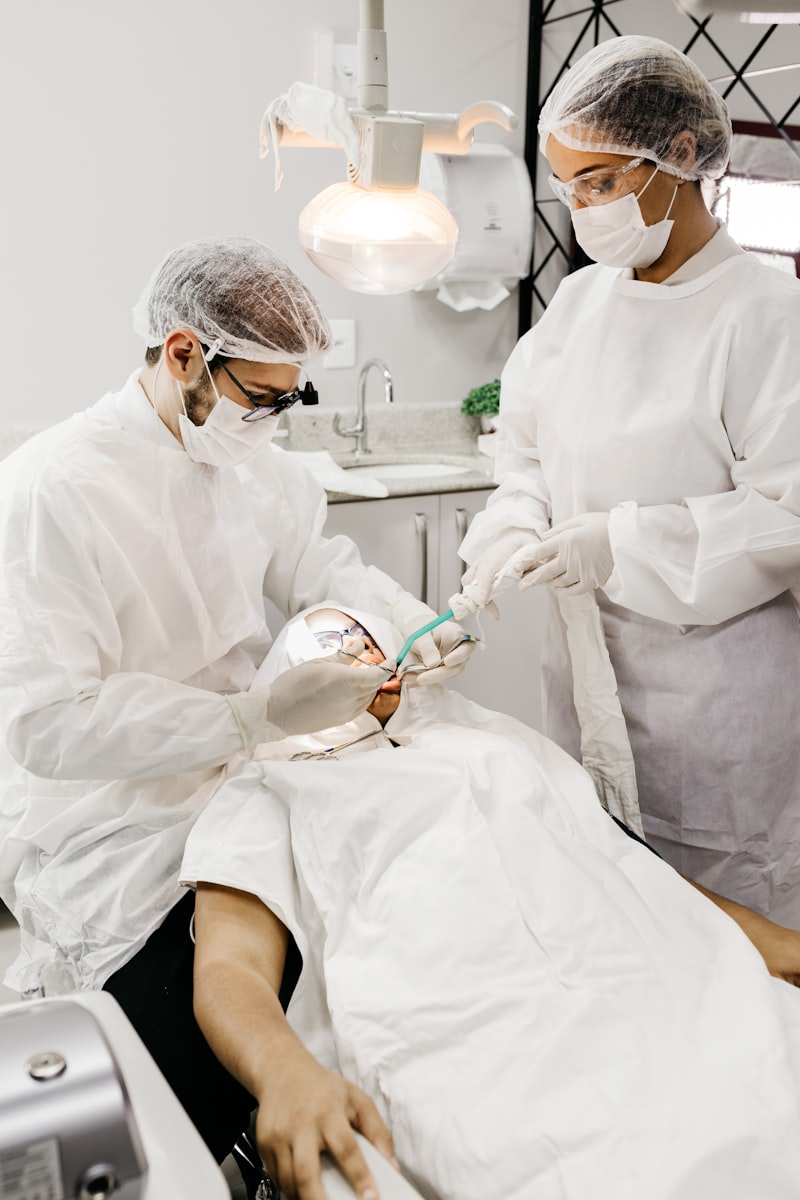
Even the most diligent home care routine has limits. Professional cleanings remove hardened tartar that your toothbrush simply can't touch. And routine exams allow your dentist to catch early decay before it becomes a larger, more expensive problem.
Your dentist may also recommend additional protective treatments like fluoride varnish or dental sealants, especially for children or patients at higher cavity risk. These are core parts of preventive dental care and can significantly reduce your chances of developing cavities between visits.
The ADA recommends visiting your dentist regularly. For most patients, that means twice a year. However, your dentist may suggest more frequent visits based on your individual risk factors.
A Quick Summary: Your Cavity Prevention Checklist
There's a lot to remember, so here's everything in one place:
- Brush twice daily with fluoride toothpaste using the correct technique.
- Floss every day to clean between teeth where brushing can't reach.
- Use a fluoride or antibacterial mouthwash as part of your routine.
- Limit sugary and starchy snacks, and reduce how often you snack throughout the day.
- Drink fluoridated water and stay hydrated.
- Chew sugar-free, xylitol-sweetened gum after meals.
- Visit your dentist in Cincinnati or Mason regularly for cleanings and checkups.
Cavities are largely preventable. With the right combination of daily habits and professional care, you can protect your smile for the long term without dramatic lifestyle changes. Small, consistent steps really do add up.
Ready to take the next step? Schedule a visit at Kings Dental and let our team help you build a personalized prevention plan that works for your smile.
Ready to Schedule Your Visit?
Whether you're a new or returning patient, we'd love to see you. Contact us today to book your appointment.