
How Long Is Too Long? The Truth About Pacifiers and Your Baby's Teeth
Wondering how long your child should use a pacifier? Learn about pacifier teeth effects, when to start weaning, and how to protect your baby's developing smile at Kings Dental.
In Mason or Montgomery? Book your visit this week.
For many parents, a pacifier is a lifesaver. It can soothe a fussy baby, help them sleep, and provide comfort during stressful times. However, as your child grows, you might start wondering about the long-term impact that binky might have on their smile. If you have been asking yourself, "How long is too long?" you are certainly not alone.
At Kings Dental, serving families in Cincinnati and Mason, Ohio, we frequently hear questions from parents about the pacifier teeth effects and when to start the weaning process. In this guide, we will explore how prolonged pacifier use can impact your baby's developing smile and share some practical tips for a smooth transition.
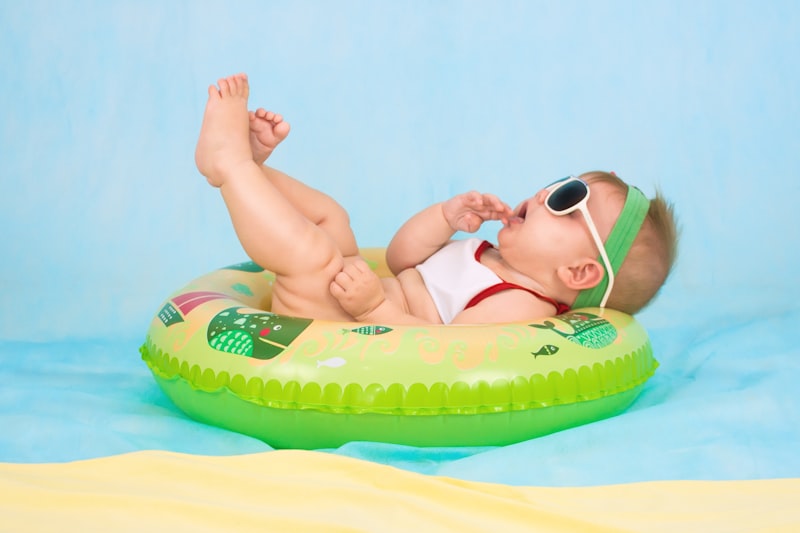
How Do Pacifiers Affect Dental Development?
Sucking is a natural reflex for infants, providing comfort and security. In the early months of life, pacifier use is perfectly normal and even recommended in some instances. However, as your child's mouth continues to grow and develop, that constant sucking motion can begin to cause problems.
Prolonged use can lead to what is commonly referred to as "pacifier teeth." This condition occurs when the constant presence of a pacifier forces the teeth and jaw to shift out of alignment. According to the American Dental Association (ADA), vigorous sucking can affect the shape of the mouth and how the top and bottom teeth line up.
Common Pacifier Teeth Effects
If a child continues to use a pacifier vigorously past a certain age, several issues may arise:
- Changes to the Roof of the Mouth: The constant pressure can narrow the palate, altering the shape of the mouth.
- Crooked Teeth: The front teeth may be pushed forward or outward, leading to a "buck-toothed" appearance.
- Bite Misalignment: A condition called an open bite can develop, where the upper and lower front teeth do not touch when the mouth is closed.
- Speech Issues: Misaligned teeth and a changed palate can sometimes interfere with proper speech development.
"While most children stop using pacifiers on their own, early intervention and gentle weaning can prevent lasting changes to their dental alignment."
When Is the Right Time to Say Goodbye to the Binky?
Timing is everything when it comes to preventing pacifier teeth effects. Many experts agree that parents should start weaning their child off the pacifier by age two. Ideally, the habit should be completely broken before the age of three.
Why age three? By this time, your child's primary teeth are usually fully erupted, and their jaw is continuing to grow. Eliminating the pacifier allows the teeth and jaw a chance to correct themselves naturally in many cases. If you want to learn more about the importance of early dental development, check out our post on why baby teeth matter.
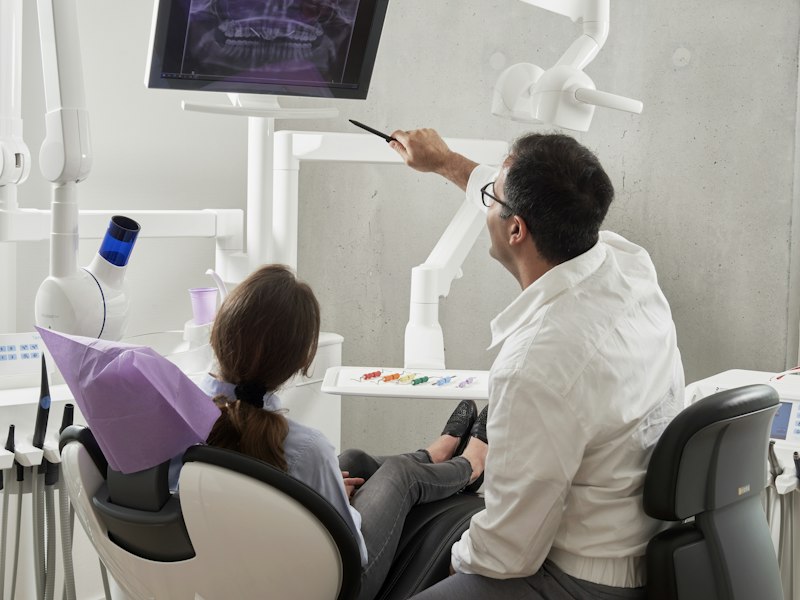
Tips for Weaning Your Child Off the Pacifier
Weaning a child off a pacifier can be a challenging process, but patience and consistency are key. Here are some strategies that have worked for many families in Cincinnati and Mason:
- Go Slow: Start by limiting pacifier use to specific times, such as naptime or bedtime. Gradually decrease the allowed times until it is no longer part of the routine.
- Offer Alternatives: Replace the pacifier with a transitional object, like a soft blanket or a favorite stuffed animal, to provide comfort.
- Use Positive Reinforcement: Praise your child when they choose not to use their pacifier. Sticker charts and small rewards can be highly motivating.
- The "Binky Fairy": For older toddlers, consider creating a story where they leave their pacifiers out for the "Binky Fairy" in exchange for a special toy.
- Talk About It: If your child is old enough to understand, explain why it is important for their smile to say goodbye to the pacifier.
If you are struggling with the weaning process or have concerns about your child's teeth, discussing it during their preventive dental care visits can be incredibly helpful. Your pediatric dentist can offer personalized advice and encouragement.
Protecting Your Child's Smile Beyond the Pacifier
Stopping pacifier use is just one aspect of maintaining your child's oral health. Consistent brushing, flossing, and regular dental checkups are essential for a healthy smile.
As your child grows, we can also discuss other ways to protect your child's teeth, such as dental sealants, which provide an extra layer of defense against cavities on the chewing surfaces of the back teeth.
Ready to Support Your Child's Dental Health?
Understanding the pacifier teeth effects is the first step in protecting your baby's developing smile. If you are noticing changes in your child's teeth or simply need some guidance on weaning, the team at Kings Dental is here to help.
Do not wait until permanent teeth begin to emerge to address your concerns. We invite you to schedule your child's next dental exam with our friendly team. Schedule a visit at Kings Dental today to ensure your child's smile gets off to a healthy, beautiful start.
Ready to Schedule Your Visit?
Whether you're a new or returning patient, we'd love to see you. Contact us today to book your appointment.