
Baby Teeth Are Temporary — So Why Do They Matter So Much?
Baby teeth are temporary, but they matter more than you think. Learn why early dental care protects your child's health, speech, and smile.
In Mason or Montgomery? Book your visit this week.
They Fall Out Anyway, So Why Should I Care About Baby Teeth?
It's one of the most common things parents say in our Cincinnati and Mason offices: "They're just baby teeth. They'll fall out eventually, right?" It's a fair question, and the answer might surprise you.
Baby teeth, also called primary teeth, are far more important than most parents realize. They lay the groundwork for your child's entire oral health journey, and taking care of them early can make a significant difference in how your child grows, speaks, eats, and smiles for years to come.
What Do Baby Teeth Actually Do?
Baby teeth aren't just placeholders. They serve several critical functions during your child's early years of development. Here's why they matter so much:
- They guide permanent teeth into place. Baby teeth act as natural space holders, showing adult teeth exactly where to come in. When a baby tooth is lost too early, neighboring teeth can drift, causing crowding or misalignment.
- They support proper chewing and nutrition. Young children rely on their teeth to chew a wide variety of foods. Healthy chewing means better nutrition, which fuels healthy growth and development overall.
- They aid in speech development. Teeth play a key role in how children form sounds and words. Missing or damaged baby teeth can contribute to speech delays or pronunciation difficulties.
- They build confidence. A healthy smile helps children feel good about themselves at school, during activities, and in social settings.
According to the American Dental Association (ADA), children begin getting their primary teeth around 6 months of age, and most kids have a full set of 20 baby teeth by age 3. These teeth stay in place until the permanent teeth are ready to erupt, usually between ages 6 and 12.
What Happens If Baby Teeth Aren't Cared For Properly?
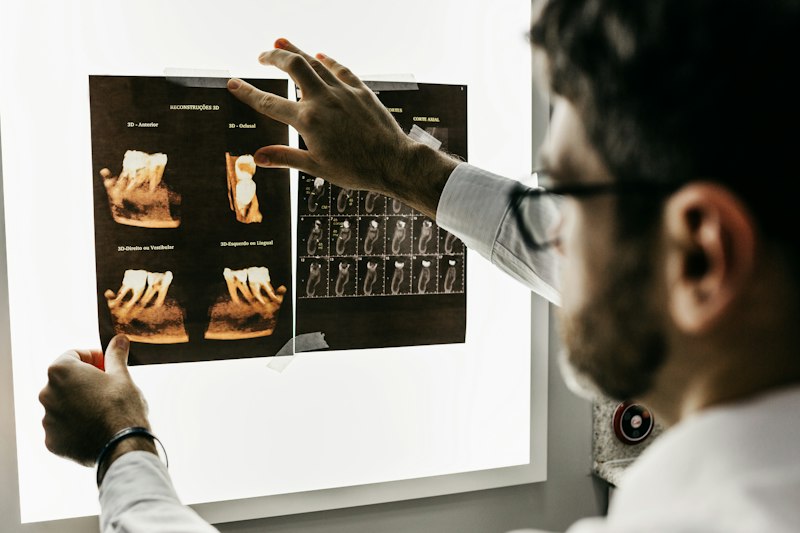
Here's the part that often catches parents off guard: untreated decay in baby teeth can have real, lasting consequences. Tooth decay is actually the most common chronic childhood disease in the United States, according to the Centers for Disease Control and Prevention (CDC).
When decay goes untreated, it can cause pain, infections, and even damage to the developing permanent teeth underneath. Early tooth loss due to untreated decay can cause the surrounding teeth to shift, creating orthodontic issues that require expensive treatment later on.
"Baby teeth lost too soon can disrupt the natural path of permanent teeth, often leading to crowding, spacing problems, and the need for braces." — American Dental Association
In some cases, a decayed or damaged baby tooth may require restorative treatment for damaged baby teeth to preserve the tooth and protect the surrounding structures. And while it's always the goal to save the tooth, there are situations where when a baby tooth needs to be extracted is the safest option for your child's overall health.
When Should My Child First See a Dentist?
The American Academy of Pediatric Dentistry (AAPD) recommends scheduling a child's first dental visit within six months of the first tooth appearing, or by their first birthday, whichever comes first. That might seem early, but early visits set the tone for a lifetime of healthy dental habits.
If you're not sure what to expect, our article on your child's first dental visit walks you through exactly what happens and how to make it a positive experience for your little one.
How Can I Take Care of My Child's Baby Teeth at Home?
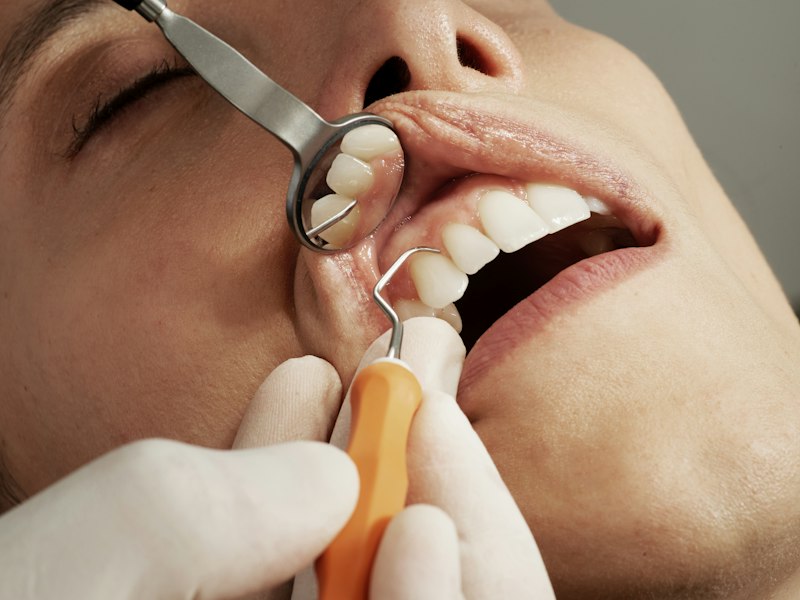
Good oral hygiene habits start at home, and the earlier you begin, the better. Here are some simple, practical tips to keep those tiny teeth healthy:
- Start before the first tooth. Gently wipe your baby's gums with a clean, damp cloth after feedings to remove bacteria and sugar.
- Brush twice a day. As soon as the first tooth appears, brush it with a soft-bristled infant toothbrush and a rice-sized smear of fluoride toothpaste. According to Touro Dental Health, children should brush at least twice daily, once in the morning and once before bedtime.
- Supervise brushing until age 7 or 8. Young children don't yet have the dexterity to brush effectively on their own. Stay involved until you're confident they've got it covered.
- Limit sugary snacks and drinks. Juice, soda, and sticky sweets are major contributors to early childhood tooth decay. Check out our guide on foods that protect or harm young teeth for practical swaps.
- Avoid putting babies to bed with a bottle. Milk and juice pooling around the teeth during sleep is a leading cause of early childhood cavities.
- Schedule regular checkups. Consistent visits allow our team to catch small issues before they become bigger problems. Learn more about our preventive dental care for children and how it keeps little smiles healthy.
"Embarking on the journey of nurturing a newborn's oral health sets the foundation for lifelong healthy teeth and gums." The earlier you start, the easier it becomes.
Healthy Baby Teeth Set the Stage for a Healthy Future
It's easy to dismiss baby teeth as temporary, but every healthy habit you build now, every cavity you prevent, and every dental visit you schedule pays dividends well beyond childhood. The patterns children form with their teeth in those early years tend to stick with them for life.
At Kings Dental, our family dentistry teams in Cincinnati and Mason are here to make dental care feel comfortable and positive for kids of all ages. We love meeting little patients early and watching them grow into confident, healthy smilers.
Ready to schedule your child's next visit? Schedule a visit at Kings Dental and let us help your little one build a smile that lasts a lifetime.
Ready to Schedule Your Visit?
Whether you're a new or returning patient, we'd love to see you. Contact us today to book your appointment.