
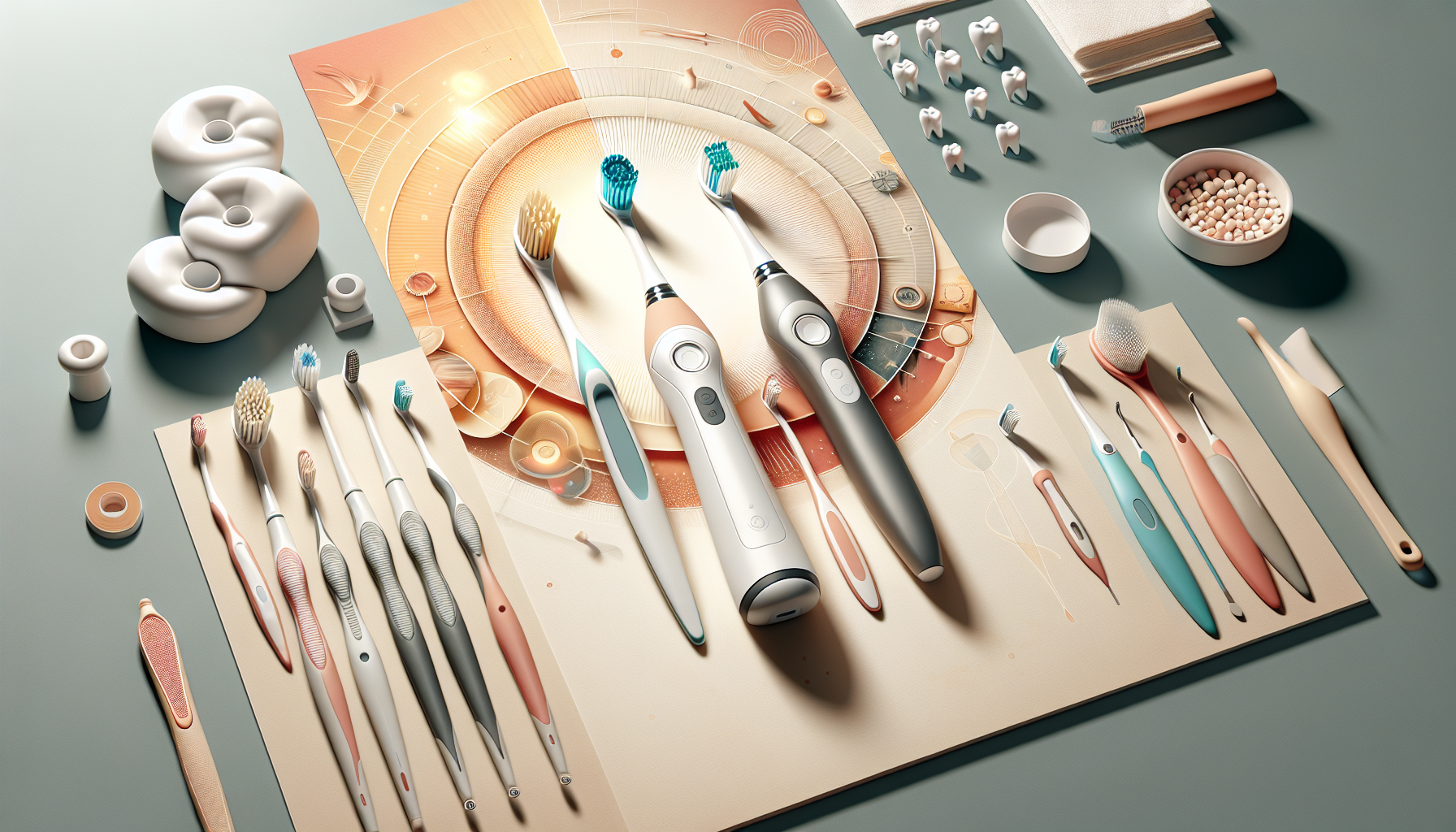
Electric vs. Manual Toothbrush: Which One Actually Cleans Better?
Electric or manual toothbrush? Research shows technique matters more than the tool. Learn which brush is right for your smile.
In Mason or Montgomery? Book your visit this week.
It's one of the most common questions we hear from patients at Kings Dental: should I switch to an electric toothbrush, or is my manual brush good enough? With so many options on the market, it's easy to feel like you're missing out if you're still using a traditional brush. The good news? The answer might surprise you.
Whether you're brushing in Cincinnati or Mason, the truth is that both types of toothbrushes can do a great job when used correctly. Let's break down what the research actually says so you can make the best choice for your smile.
What Does the Research Say About Electric vs. Manual Toothbrushes?
A study published through the National Institutes of Health (NIH) compared several types of electric toothbrushes to traditional manual brushes to measure differences in plaque removal and gum health. The types tested included:
- Rotating: The brush head spins in a circular motion.
- Ultrasonic: Uses high-frequency vibrations to break up plaque.
- Ionic: Releases ions on the brush head to help remove plaque at a molecular level.
The results? There was no significant difference between most electric brushes and manual toothbrushes in terms of plaque removal, with one notable exception: the ionic brush showed a measurable advantage. As University of Iowa College of Dentistry notes, experts agree that when proper technique is used, a manual toothbrush can be just as effective as an electric one.
The American Dental Association (ADA) endorses both electric and manual toothbrushes for effective plaque removal. So before you spend $200 on a high-tech brush, know that your technique matters far more than the tool itself.
"A lot of people are surprised to hear that technique is more important than the brush itself."
- Amy Cooper, RDH, UAB Dentistry
So Who Benefits Most From an Electric Toothbrush?
While technique reigns supreme, certain patients genuinely benefit from making the switch to electric. Electric toothbrushes come packed with features that can make a real difference for specific situations.
Electric Toothbrushes Are a Great Choice If You:
- Struggle with brushing pressure: Many electric toothbrushes include built-in pressure sensors that alert you when you're brushing too hard. This can be a game-changer for preventing tooth sensitivity caused by enamel wear.
- Have limited hand mobility: Patients with arthritis, carpal tunnel, or other mobility issues often find that an electric brush does more of the work for them.
- Have braces or dental appliances: The oscillating motion of electric brushes can navigate around brackets and wires more easily.
- Tend to rush your brushing: Most electric brushes have built-in two-minute timers that keep you on track. Many even alert you every 30 seconds to remind you to move to a different area of your mouth.
- Are prone to gum problems: The consistent, controlled motion can help support gum disease treatment and prevention by ensuring thorough, gentle cleaning along the gumline.
Manual Toothbrushes Still Get the Job Done When You:
- Use proper two-minute brushing technique consistently.
- Prefer a lightweight, affordable, and travel-friendly option.
- Already have excellent oral health with no recurring plaque buildup issues.
- Are teaching young children to brush (small, soft manual brushes can be easier to control for kids).
What Actually Matters More Than the Brush You Choose?
Here's the honest truth: the best toothbrush is the one you use correctly, every single day. Even the most advanced electric toothbrush won't save your smile if your technique is off or you're skipping brushing sessions.
The ADA recommends brushing for two full minutes, twice a day, using a soft-bristled brush and fluoride toothpaste. That advice applies equally to electric and manual brushes.
"With good technique, brushing for two full minutes and reaching all areas of the mouth, a manual toothbrush can be just as effective as an electric one."
- Amy Cooper, RDH, UAB Dentistry
Tips for Better Brushing, No Matter Which Brush You Use:
- Hold your brush at a 45-degree angle to the gumline to clean both the tooth surface and just below the gums.
- Use gentle, circular motions rather than scrubbing back and forth aggressively.
- Don't forget the backs of your teeth and your tongue, where bacteria love to hide.
- Replace your brush (or brush head) every three to four months, or sooner if the bristles are frayed.
- Floss once a day without fail. Curious about how often you should floss? We've got the honest answer for you.
- Pair brushing with regular dental checkups. Good preventive dental care is your best defense against cavities and gum disease.
Our Recommendation at Kings Dental
At Kings Dental, we tell our patients the same thing every day: choose the brush you will actually use consistently. If the bells and whistles of an electric toothbrush motivate you to brush longer and more thoroughly, it's absolutely worth the investment. If you've mastered your manual brushing routine and your checkups show healthy teeth and gums, there's no need to switch.
The most important step you can take for your oral health is showing up for your regular cleanings and exams. Our teams in Cincinnati and Mason are here to give you personalized guidance on the best tools and habits for your unique smile.
Ready to get a professional opinion on your brushing routine? Schedule a visit at Kings Dental and let us help you keep your smile healthy for years to come.
Ready to Schedule Your Visit?
Whether you're a new or returning patient, we'd love to see you. Contact us today to book your appointment.