
Dental Implants vs. Dentures in Cincinnati, Ohio: Which Is Right for You, What Each Really Costs, and How Kings Dental Helps You Decide
Comparing dental implants vs. dentures in Cincinnati, Ohio? Kings Dental breaks down real costs, candidacy, bone health risks, and how to choose the right option for your smile.
In Mason or Montgomery? Book your visit this week.
Dental Implants vs. Dentures in Cincinnati, Ohio: Which Is Right for You, What Each Really Costs, and How Kings Dental Helps You Decide
If you are missing one tooth, several teeth, or an entire arch, you are far from alone. According to the American College of Prosthodontists, roughly 120 million Americans are missing at least one tooth, and 36 million have no remaining natural teeth at all. For Cincinnati and Mason, Ohio residents weighing their options, the question of dental implants vs. dentures in Cincinnati, Ohio is one of the most important health decisions you will make. The choice you make affects not just how your smile looks, but how you eat, speak, and even how your face ages over time.
Both dental implants and dentures are proven, widely used solutions. But they work very differently, carry very different long-term costs, and are suited to very different patients. Making the right call requires understanding what each option actually does inside your mouth, what it truly costs over a lifetime, and which one fits your health, lifestyle, and budget right now.
At Kings Dental, with locations in Cincinnati and Mason, Ohio, we help patients navigate exactly this decision every day. This guide will walk you through everything you need to know so that when you sit down with one of our dentists, you can make a confident, well-informed choice.
Understanding Your Options: What Dental Implants and Dentures Actually Are
Before comparing costs and candidacy, it helps to understand exactly what each treatment involves and how it interacts with your body.
What Are Dental Implants?
Dental implants are small titanium posts surgically placed into the jawbone to act as artificial tooth roots. Over a healing period of several months, the implant fuses with the surrounding bone in a biological process called osseointegration. Once fully integrated, a custom crown, bridge, or fixed denture is attached on top, creating a restoration that looks, feels, and functions almost exactly like a natural tooth.
- Material: Titanium or zirconia posts, with porcelain or ceramic crowns
- Procedure: Minor outpatient surgery, usually under local anesthesia
- Healing time: Typically 3 to 6 months for osseointegration
- Lifespan: 25 or more years with proper care, per multiple clinical sources
- Bone preservation: The only tooth replacement option that actively stimulates and preserves jawbone density
Approximately 3 million dental implants are placed in the United States each year, and that number continues to grow. The U.S. dental implant market was valued at approximately $2.1 billion in 2024 and is projected to reach $3.1 billion by 2031, reflecting a compound annual growth rate of nearly 6%, according to iData Research data cited by All in the Family Dental's industry analysis.
What Are Dentures?
Dentures are removable prosthetic appliances that rest on the gum tissue and, in some cases, the remaining bone structure. They can replace a full arch of teeth (complete dentures) or a partial arch (partial dentures). Modern dentures are custom-fitted, more lifelike than ever before, and can be a practical solution for patients facing certain health or financial barriers to implants.
- Material: Acrylic resin base with porcelain or acrylic teeth
- Procedure: Non-surgical; impressions are taken and the appliance is fabricated in a lab
- Adjustment period: Weeks to months to adapt to speaking and eating
- Lifespan: Typically 5 to 10 years before replacement or relining is needed
- Bone preservation: None; dentures do not prevent jawbone deterioration after tooth loss
One critical limitation of traditional dentures is chewing power. According to Ohio State Health and Discovery, complete dentures restore only about 20% of the biting force of natural teeth. That means tougher foods like steak, raw carrots, or crusty bread can become genuinely difficult to eat.
What About Implant-Supported Dentures?
Implant-supported dentures, sometimes called snap-in dentures or overdentures, represent a compelling middle ground. Four to six implants are placed in the jaw, and a custom denture clips or locks onto them. The result is dramatically more stable than a traditional denture, with significantly better chewing force, while remaining less expensive than a full fixed implant restoration.
A 2022 systematic review and meta-analysis published in PMC via the National Institutes of Health found that implant-supported removable partial dentures demonstrated significantly improved quality of life and patient satisfaction compared to conventional dentures, with low implant failure rates across studies spanning 6 to 180 months of follow-up.
The Hidden Cost of Tooth Loss: Why Timing Matters for Cincinnati Patients
One of the most important things to understand about tooth replacement, whether you are leaning toward dental implants or dentures in Cincinnati, is that waiting has consequences. When a tooth is extracted or lost, the jawbone beneath it immediately begins to lose density.
"Missing teeth can affect more than your smile. They can change how you chew, how you speak, and even how your jawbone stays healthy."
This bone loss is permanent and cannot be reversed, as noted by Ohio State Health and Discovery. Without a tooth root providing stimulation, the bone simply resorbs over time. This has two major downstream effects:
- Facial collapse: Continued bone loss eventually alters the shape of your face, causing the cheeks and lips to sink inward, which can make you look significantly older than you are.
- Denture fit problems: As the bone changes, dentures that once fit well begin to slip, cause sore spots, and require frequent relining or replacement.
Dental implants are the only tooth replacement option that prevents this process, because the titanium post mimics the stimulation that a natural tooth root once provided. For younger patients in Mason and Cincinnati, particularly those in their 30s and 40s who have lost teeth due to injury or decay, this bone-preservation benefit is especially significant over a lifetime.
Dental Implants vs. Dentures in Cincinnati, Ohio: A Side-by-Side Comparison
Here is a straightforward comparison of both options across the factors that matter most to patients at Kings Dental:
| Factor | Dental Implants | Traditional Dentures |
|---|---|---|
| Bone preservation | Yes, actively preserves bone | No |
| Chewing force restored | Near natural (90%+) | About 20% of natural |
| Stability | Fixed; does not move | Can slip or shift |
| Appearance | Highly natural | Natural, improving |
| Maintenance | Brush and floss like natural teeth | Remove, soak, and clean daily |
| Surgery required | Yes | No |
| Average lifespan | 25+ years | 5 to 10 years |
| Upfront cost | Higher | Lower |
| Long-term cost | Often lower (fewer replacements) | Often higher (replacements, relining, adhesives) |
What Do Dental Implants and Dentures Really Cost in Cincinnati?
Cost is consistently the number one question patients ask, and it deserves a direct, honest answer. Here is what Cincinnati and Mason, Ohio residents can realistically expect.
The Cost of Dental Implants in Cincinnati
A single dental implant in the Cincinnati area typically includes the implant post, the abutment, and the crown. Costs vary based on the provider, the materials used, and whether preparatory procedures like bone grafting or tooth extraction are needed. For patients replacing multiple teeth or a full arch, implant-supported options are available at a range of price points.
- Single implant: Typically $3,000 to $5,000 per tooth, including the crown
- Implant-supported dentures: Approximately $7,628 to $13,297 in the Cincinnati area, based on 2026 market data
- All-on-4 full-arch restoration: Typically $20,000 to $30,000 per arch, depending on complexity
For a deeper breakdown of implant pricing, financing options, and what to expect at each step, see our dedicated article on real dental implant costs and financing options in the Cincinnati area.
The Cost of Dentures in Cincinnati
Traditional dentures have a lower upfront price tag, which is one of their primary appeals for patients on tight budgets.
- Partial dentures: Typically $1,500 to $3,000 per arch
- Complete dentures (full arch): Typically $1,500 to $3,500 per arch
- Implant-supported overdentures: Approximately $7,628 to $13,297 per arch
However, traditional dentures require relining every few years as the jawbone changes, and most patients need a full replacement every 5 to 10 years. Add in the ongoing cost of adhesives, cleaning solutions, and more frequent dental visits, and the lifetime cost of dentures is often comparable to, or higher than, the cost of implants.
"While implants cost more up front, they last much longer than bridges or dentures. Over time, a dental implant often saves money by avoiding replacements."
Financing and Insurance Considerations for Ohio Patients
Ohio Medicaid for adults has historically provided limited dental coverage, meaning many Hamilton County and Warren County residents cover tooth replacement costs out of pocket or through supplemental dental insurance. Most dental insurance plans that cover implants do so partially, often treating the crown portion as a covered restorative service while classifying the implant post as a non-covered surgical procedure.
At Kings Dental, we offer flexible financing options at Kings Dental to help make implants financially accessible for patients across the Cincinnati and Mason area. Many patients are surprised to find that a treatment plan costing several thousand dollars can break down into manageable monthly payments that fit within their existing budgets.
Who Is a Good Candidate? Implants vs. Dentures by Patient Profile
The best tooth replacement option depends on your individual health, bone structure, lifestyle, and goals. Here is how we typically think about candidacy at Kings Dental.
You May Be a Strong Candidate for Dental Implants If:
- You have healthy gum tissue and sufficient jawbone density to support osseointegration
- You are a non-smoker, or willing to stop smoking before and during healing
- You want the most natural-feeling, longest-lasting replacement option available
- You are missing one or several teeth and want to preserve bone in those areas
- You are a younger adult (30s or 40s) for whom long-term value is a priority
- You want to eat, speak, and smile without thinking about your teeth
Implant success rates exceed 95% to 98% when placed by an experienced provider and maintained with good oral hygiene, per data cited in the Journal of Oral Implantology. Implants are now considered a standard of care for eligible tooth loss patients, reflecting both increased provider expertise and growing patient demand.
Dentures May Be the Right Choice If:
- You have significant bone loss that would require extensive grafting before implants are possible
- You have certain systemic health conditions (uncontrolled diabetes, autoimmune disorders, or active cancer treatment) that increase surgical risk
- Budget is the primary constraint and upfront cost must be minimized
- You prefer a non-surgical approach
- You are missing most or all teeth in an arch and need a full replacement quickly
Implant-Supported Dentures and All-on-4: The Middle Ground
For patients who are missing most or all teeth but want dramatically better stability and function than traditional dentures offer, implant-supported options bridge the gap. All-on-4 implant systems use as few as four strategically placed implants to support a full arch of fixed, non-removable teeth. They are also designed to work even in patients who have experienced some degree of bone loss, reducing the need for bone grafting in many cases.
Mini dental implants offer another option for patients who lack sufficient bone density for conventional implants. Smaller in diameter and placed with a less invasive technique, mini implants can stabilize a loose lower denture in as little as one appointment, providing meaningful improvement in comfort and confidence.
If your situation involves extensive tooth loss, bone loss, or multiple missing teeth across both arches, our team at Kings Dental may also discuss full mouth rehabilitation as a comprehensive treatment pathway. You can learn more about what full mouth rehabilitation costs in Cincinnati and who it is designed for in our dedicated guide.
Common Myths About Dental Implants: Separating Fact from Fiction
Many Cincinnati patients delay considering implants because of misconceptions that circulate online and among friends. Here are the most common myths, and what the evidence actually says.
Myth: Dental Implants Are Extremely Painful
The implant placement procedure is performed under local anesthesia, and most patients report that the experience is comparable to a routine tooth extraction. Post-procedure soreness is typically managed with over-the-counter pain relievers. As one Cincinnati-area implant patient described her experience: "My procedure went very smoothly. Recovery was easy breezy. I'm very, very happy to have good teeth and to be able to smile freely."
Myth: Implants Are Only for Older Adults
Implants are appropriate for any adult whose jawbone has finished developing, typically by the late teens or early 20s. In fact, younger adults in their 30s and 40s often benefit most from implants because they have more years ahead to enjoy the long-term advantages, and more years during which bone loss from an untreated gap would otherwise accumulate.
Myth: Implants Fail Frequently
Clinical data consistently shows implant success rates of 95% to 98% with proper patient selection and oral hygiene. True immune-based rejection of a dental implant, similar to organ rejection, is rare. When implants do fail, it is most often related to infection or poor healing, not rejection, and most failures can be addressed and re-treated.
Myth: Implants Are Too Expensive to Consider
While implants carry a higher upfront cost than dentures, their 25-plus year lifespan, combined with the avoided costs of denture replacements, relining, adhesives, and the dental complications associated with ongoing bone loss, often makes them the more economical choice over a decade or more. Flexible financing options at Kings Dental also make it possible to spread that investment over time.
Myth: You Cannot Get Implants If You Have Gum Disease
Active gum disease must be treated before implant placement, but having a history of gum disease does not disqualify you from implants. Our team at Kings Dental will assess your gum health as part of your implant consultation. If you have concerns about your gum health, learn more about gum disease treatment in Cincinnati and how we restore gum health before proceeding with restorative work.
How Kings Dental Helps Cincinnati and Mason Patients Make This Decision
Choosing between dental implants and dentures in Cincinnati, Ohio is not a decision that should be made based on a price tag alone, or based on what a neighbor or family member chose. It is a highly personal decision that depends on your bone health, overall medical history, aesthetic goals, lifestyle, and budget.
At Kings Dental, our approach begins with a comprehensive consultation that includes:
- Full oral examination: Assessment of remaining teeth, gum health, and bite alignment
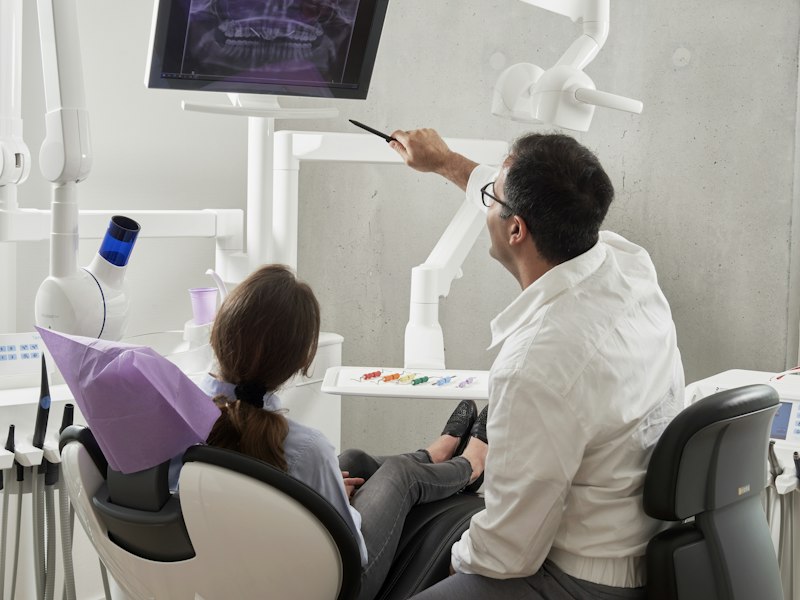
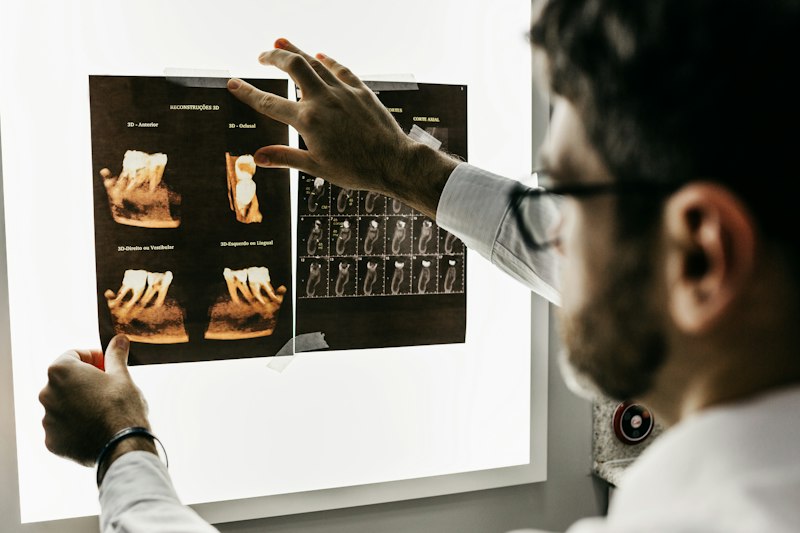
- Bone density evaluation: Digital X-rays or 3D imaging to assess whether adequate bone exists for implant placement
- Medical history review: Identifying any systemic conditions or medications that could affect healing or candidacy
- Transparent cost discussion: A clear breakdown of treatment costs, what insurance may cover, and available financing plans
- No-pressure treatment options: We present all appropriate options, including implants, dentures, and implant-supported hybrids, and let you decide at your own pace
Our Cincinnati and Mason locations serve patients across the Greater Cincinnati metro area, including Hamilton County and Warren County. We understand that many Ohio adults navigate dental care with limited or no insurance coverage, and we are committed to making the conversation about tooth replacement straightforward, affordable, and focused entirely on what is right for your long-term health.
To learn more about the full range of what we offer, visit our page on dental implant services at Kings Dental.
Frequently Asked Questions: Dental Implants vs. Dentures in Cincinnati, Ohio
How long does the dental implant process take from start to finish?
The complete implant process, from the initial placement surgery to the final crown attachment, typically takes between 3 and 6 months. Most of that time is the osseointegration period during which the implant fuses with the jawbone. If bone grafting is needed beforehand, the total timeline may extend to 9 to 12 months. Many patients receive a temporary restoration during this period so they are never without a tooth in the gap.
Can I switch from dentures to dental implants later?
In many cases, yes. However, the longer you have worn traditional dentures, the more bone loss has likely occurred beneath them. Depending on how much bone remains, you may need a bone graft before implants can be placed. This is one reason why the earlier you consider implants after tooth loss, the simpler and more straightforward the process tends to be. A consultation with our team will help determine what is possible for your specific situation.
Are dental implants covered by dental insurance in Ohio?
Coverage varies significantly by plan. Many dental insurance plans cover the crown portion of an implant as a restorative benefit, but classify the implant post and surgical placement as non-covered or only partially covered. Ohio Medicaid for adults has historically offered very limited dental benefits. We recommend bringing your insurance information to your consultation at Kings Dental so we can help you understand exactly what your plan covers and what your out-of-pocket responsibility will be.
How do I care for dental implants compared to dentures?
One of the underappreciated advantages of dental implants is how simple the maintenance is. You care for implants exactly as you would natural teeth: brush twice daily, floss daily, and attend regular professional cleanings. There are no adhesives, no overnight soaking, and no special removable cleaning routines. Traditional dentures require daily removal, soaking, and brushing with a separate denture cleaner, as well as periodic relining as your jaw changes shape.
What if I do not have enough bone for dental implants?
Insufficient bone volume is common, particularly in patients who have worn dentures for several years, but it is not necessarily a permanent barrier to implants. Bone grafting procedures can rebuild jawbone density in preparation for implant placement. In cases where grafting is not practical, mini dental implants or implant-supported dentures using All-on-4 techniques may provide a viable alternative that works with the existing bone. The best way to know what is possible for you is to come in for an imaging-based consultation.
Conclusion: Making the Right Choice for Your Smile in Cincinnati, Ohio
The decision between dental implants vs. dentures in Cincinnati, Ohio is ultimately about more than teeth. It is about preserving the structure of your jawbone, protecting your long-term health, eating the foods you love, and feeling genuinely confident in your smile for decades to come. Both options have a place in modern dentistry, and for some patients, a combination approach using implant-supported dentures or an All-on-4 restoration offers the best of both worlds.
What matters most is making an informed decision based on your individual circumstances, not just the upfront price tag. Delaying treatment or choosing the lowest-cost option without understanding the long-term trade-offs can mean more complexity, more expense, and greater bone loss down the road. The good news is that you do not have to figure this out alone.
Kings Dental is here to help. Our Cincinnati and Mason, Ohio teams are experienced in the full spectrum of implant and restorative solutions, and we are committed to helping every patient understand their options clearly and honestly. Whether you are just beginning to explore tooth replacement or you are ready to move forward, we would love to be your partner in this decision.
Ready to take the next step? Schedule an appointment at Kings Dental today for a comprehensive consultation. We will evaluate your bone health, walk through every option available to you, and build a treatment plan designed around your life, your budget, and your goals.
Ready to Schedule Your Visit?
Whether you're a new or returning patient, we'd love to see you. Contact us today to book your appointment.