Charcoal Toothpaste: Trendy Whitener or Threat to Your Teeth? The Truth Revealed
Charcoal toothpaste is everywhere, but is it actually safe? Learn what dental experts say about the risks and discover proven whitening alternatives.
In Mason or Montgomery? Book your visit this week.
The Charcoal Toothpaste Craze: What's All the Buzz About?
Scroll through social media for more than five minutes and you've probably seen someone brushing with jet-black toothpaste, promising a dazzling smile afterward. Charcoal toothpaste has exploded in popularity as a natural teeth-whitening remedy, and the dramatic before-and-after photos are hard to ignore.
But is charcoal toothpaste safe? Before you swap out your regular toothpaste, it's worth getting the full picture. At Kings Dental in Cincinnati and Mason, Ohio, we want our patients to make confident, informed choices about their oral health. So let's dig into what the science actually says.
What Is Charcoal Toothpaste, and How Does It Claim to Work?
Charcoal toothpaste is made with activated charcoal, a fine black powder created by heating carbon-rich materials like wood or coconut shells at very high temperatures. Activated charcoal is known for its ability to bind to certain toxins and stains.
The idea is straightforward: the charcoal acts like a magnet, pulling surface stains off your teeth as you brush. Many brands also market it as detoxifying and made with natural ingredients, which appeals to people looking for cleaner, more organic personal care products.
Sounds promising, right? Here's where things get complicated.

Is Charcoal Toothpaste Safe? What Dental Experts and Research Say
This is the big question, and the honest answer is: not really, at least not for regular use. Here's what the evidence tells us.
It Can Damage Your Tooth Enamel
Activated charcoal is highly abrasive. When you brush with it daily, that gritty texture doesn't just remove surface stains. It can also scrub away tooth enamel, the protective outer layer of your teeth that cannot grow back once it's gone.
As Harvard Health notes, while using charcoal on teeth may be safe in very small doses, it is simply too abrasive for everyday use. Worn enamel leads to tooth sensitivity caused by enamel erosion, yellowing, and a higher risk of cavities.
Most Charcoal Toothpastes Lack Fluoride
Here's a detail that often gets overlooked: most charcoal toothpastes do not contain fluoride. Fluoride is the mineral that strengthens enamel and helps prevent tooth decay. It's a cornerstone of good preventive dental care.
When you replace your fluoride toothpaste with a charcoal version, you lose that critical protection. Over time, this can leave your teeth more vulnerable to cavities and decay.
The Whitening Claims Are Not Well Supported
A 2017 review highlighted by Healthline warns that dentists should advise their patients to be cautious with charcoal-based toothpastes due to unproven claims and safety concerns. While charcoal may buff away some surface stains temporarily, it does nothing to change the actual color of your tooth enamel.
The bottom line from dental professionals: Charcoal toothpaste might make your teeth look slightly brighter in the short term, but the potential harm to your enamel and the lack of fluoride protection are serious trade-offs that simply aren't worth it.
What Are the Risks of Using Charcoal Toothpaste Regularly?
Let's put it all together. Here are the key risks dental professionals consistently point to:
- Enamel erosion: The abrasive texture gradually wears down the protective coating on your teeth, which is permanent damage.
- Increased tooth sensitivity: As enamel thins, teeth become more sensitive to hot, cold, and sweet foods and drinks.
- Yellowing over time: Ironically, losing enamel exposes the naturally yellow dentin underneath, making teeth look more discolored in the long run.
- Higher cavity risk: Without fluoride, your teeth lose an important line of defense against decay.
- Gum irritation: Charcoal particles can get lodged in gum tissue, potentially causing irritation.
- Staining dental work: Charcoal can seep into micro-cracks in crowns, veneers, and fillings, causing dark staining.
Most dental professionals recommend avoiding charcoal toothpaste altogether. If you do choose to use it occasionally, limit it to very infrequent use and never replace your regular fluoride toothpaste with it entirely.
So What Actually Works for Whitening Your Teeth?
The good news is that you don't need a trendy black paste to get a brighter smile. There are safe, proven options that genuinely work without putting your enamel at risk.
Professional Teeth Whitening
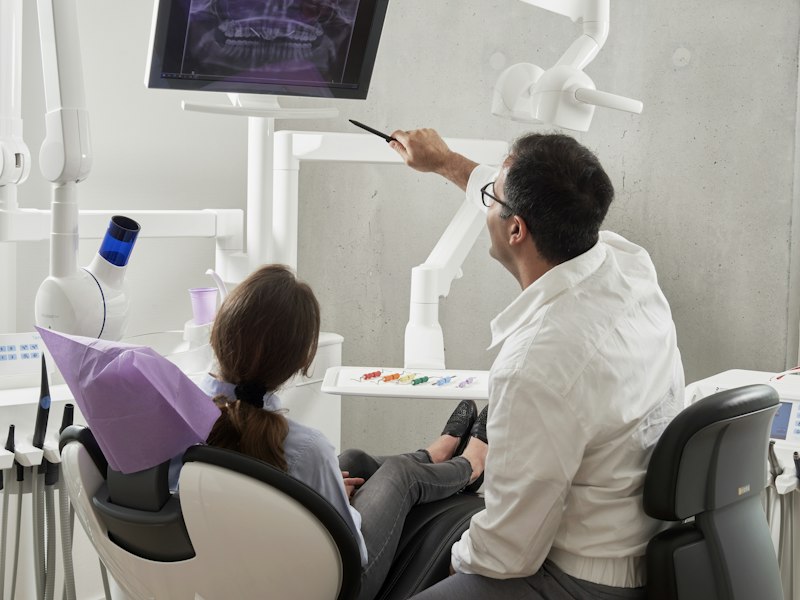
The most effective and safest route is professional teeth whitening performed or supervised by a dentist. Professional treatments use controlled concentrations of whitening agents that lighten the actual enamel, not just buff the surface. The results are dramatically better than anything you'll get from charcoal toothpaste.
If you're curious about your options, check out our guide to teeth whitening options that actually work in the Cincinnati area. And if you're worried about discomfort, we address sensitivity concerns with teeth whitening so you know exactly what to expect.
ADA-Accepted Whitening Toothpastes
Look for whitening toothpastes that carry the American Dental Association (ADA) Seal of Acceptance. These products have been tested for safety and effectiveness, contain fluoride, and use mild whitening agents that won't destroy your enamel.
Good Daily Habits Go a Long Way
Sometimes the simplest habits make the biggest difference. Using a proper brushing technique twice a day, flossing daily, staying hydrated, and limiting staining foods and drinks like coffee, tea, and red wine can help keep your smile looking its best.
- Brush twice daily with a fluoride toothpaste carrying the ADA Seal.
- Floss once a day to remove plaque between teeth.
- Rinse with water after consuming staining beverages.
- Visit your dentist regularly for professional cleanings.
- Ask your dentist about safe, professional-grade whitening options.
Our Advice: Skip the Trend, Protect Your Smile
Charcoal toothpaste is a prime example of a trend that looks good on camera but doesn't hold up under scrutiny. The risks to your enamel, the lack of fluoride, and the absence of solid clinical evidence make it a poor choice compared to proven whitening methods.
Your smile is worth protecting. If you'd like to explore safe, effective whitening treatments or just want to chat about what's right for your teeth, our friendly team is here to help. Schedule a visit at Kings Dental at our Cincinnati or Mason, Ohio locations, and let's find the best path to the bright, healthy smile you deserve.
Ready to Schedule Your Visit?
Whether you're a new or returning patient, we'd love to see you. Contact us today to book your appointment.