
Does Teeth Whitening Hurt? What to Expect Before, During & After
Wondering if teeth whitening hurts? Learn what causes sensitivity, what to expect during treatment, and how to minimize discomfort before and after.
In Mason or Montgomery? Book your visit this week.
A brighter smile is one of the most popular cosmetic goals we hear from patients at Kings Dental. But before booking an appointment, many people ask the same question: does teeth whitening hurt? It is a completely fair concern, and the honest answer is: it depends on the person. Most patients do just fine, but some experience temporary sensitivity. The good news is that discomfort is manageable and usually short-lived.
Whether you are considering professional teeth whitening for the first time or you have tried an over-the-counter kit with mixed results, this guide will walk you through exactly what to expect before, during, and after treatment.
Why Can Teeth Whitening Cause Sensitivity?
The whitening agents used in most treatments, typically hydrogen peroxide or carbamide peroxide, work by penetrating your tooth enamel to break up stain molecules. This is what makes whitening so effective. However, that same penetration can temporarily irritate the dentin (the layer beneath your enamel) and even reach the nerve-rich pulp at the center of the tooth.
According to the American Dental Association (ADA), temporary tooth sensitivity and mild gum irritation are among the most commonly reported side effects of teeth whitening. These effects are typically short-term and resolve on their own within a day or two.
Some patients are simply more prone to discomfort than others. People with thinner enamel or naturally sensitive teeth may notice more significant sensations as the whitening agents go to work. If tooth sensitivity is already something you deal with on a regular basis, it is especially important to talk with your dentist before starting any whitening treatment.
What Does Teeth Whitening Actually Feel Like?
During the Procedure
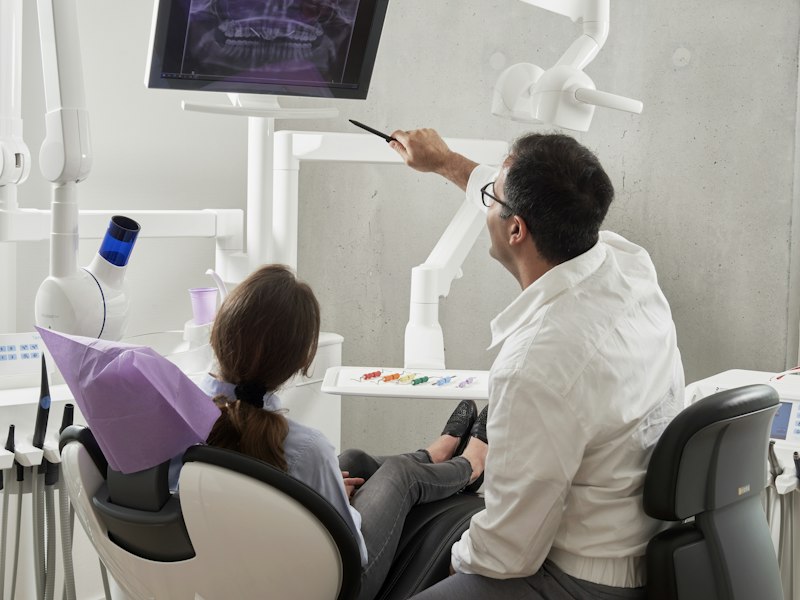
For most patients, professional whitening feels like very little at all. You may notice a mild tingling sensation or brief sensitivity to air during the appointment. Some patients describe a slight zing when the whitening gel is active, but this is typically mild and temporary.
With in-office treatments, your dentist takes precautions to protect your gums before applying the whitening gel. This significantly reduces the risk of gum irritation. You are also in a controlled environment, which means the concentration and timing of the treatment are carefully monitored.
After the Procedure
The 24 to 48 hours following your whitening session are when sensitivity is most likely to occur. Your teeth may feel more reactive to hot and cold temperatures, sweet foods, or even cold air. This is completely normal and expected.
Good to know: Post-whitening sensitivity almost always resolves within one to two days. If discomfort persists beyond 48 hours or feels severe, contact your dentist.
How to Minimize Discomfort: Before, During & After
There are several simple steps you can take to reduce the chances of experiencing significant sensitivity. Here is what we recommend to our patients in Cincinnati and Mason:
Before Your Appointment
- Take an over-the-counter pain reliever: Taking ibuprofen or acetaminophen about an hour before your appointment can help get ahead of any post-treatment discomfort. Always follow package directions.
- Use a sensitivity toothpaste: Starting a desensitizing toothpaste like Sensodyne a week or two before your whitening session can help calm nerve responses in the teeth.
- Tell your dentist about existing sensitivity: The more your dentist knows, the better they can tailor the treatment to your comfort level.
After Your Appointment
- Avoid hot and cold foods and drinks for the first 24 to 48 hours after treatment. Your teeth are at peak sensitivity during this window.
- Drink through a straw if you need to consume cold beverages. This limits direct contact between liquids and your newly whitened teeth.
- Skip acidic or highly pigmented foods like coffee, red wine, tomato sauce, and citrus for at least 48 hours. These can irritate sensitive teeth and cause new staining.
- Continue using desensitizing toothpaste for several days after treatment to help soothe any lingering sensitivity.
- Rinse with lukewarm water rather than cold water when brushing your teeth for the first couple of days.

Is Professional Whitening Safer Than Over-the-Counter Kits?
When it comes to managing sensitivity, professional whitening has a clear advantage over store-bought strips and trays. Over-the-counter kits are not customized to your teeth, which means the whitening gel can seep onto your gums and cause more irritation. The trays may not fit properly, and the instructions leave a lot of room for user error.
With professional treatment, your dentist uses custom-fitted trays (for take-home kits) or protective barriers (for in-office sessions) to keep the gel exactly where it needs to be. The concentration of the whitening agent is also matched to your sensitivity level and whitening goals.
Curious about all your options? Take a look at the teeth whitening options available in Cincinnati to compare what might work best for you.
Worth noting: Not everyone is a candidate for whitening. Patients with crowns, veneers, or certain dental restorations may not see uniform results from whitening agents. If that sounds like your situation, talk to your dentist about alternatives such as porcelain veneers, which can provide a consistently bright appearance regardless of existing restorations.
Who Should Be Extra Cautious About Whitening?
Teeth whitening is safe for most healthy adults, but certain groups should consult with a dentist before proceeding. According to the National Institute of Dental and Craniofacial Research, patients with the following conditions deserve extra attention:
- Pre-existing tooth sensitivity or thin enamel
- Gum disease or receding gums
- Cracked teeth or exposed dentin
- Dental restorations such as crowns, bridges, or fillings in visible areas
- Pregnant or nursing women (whitening is generally not recommended during this time)
A quick evaluation before treatment can make a big difference. Your dentist can identify any concerns and recommend the safest, most effective approach for your specific smile.
Ready for a Brighter Smile Without the Worry?
Teeth whitening does not have to be an uncomfortable experience. With the right preparation, professional guidance, and a few simple aftercare steps, most patients achieve beautiful results with minimal to no lasting sensitivity.
At Kings Dental, our team takes the time to review your dental history, discuss your comfort concerns, and create a whitening plan that works for your smile and your lifestyle. We serve patients throughout Cincinnati and Mason, Ohio, and we would love to help you feel confident about your teeth again.
Ready to take the next step? Schedule a visit at Kings Dental to schedule a whitening consultation and find out which option is right for you.
Ready to Schedule Your Visit?
Whether you're a new or returning patient, we'd love to see you. Contact us today to book your appointment.