
Why Are My Teeth Shifting Years After Braces? (And How to Fix It)
Noticing your teeth moving years after braces? Learn why orthodontic relapse happens and discover simple solutions to get your straight smile back.
In Mason or Montgomery? Book your visit this week.
You spent years in braces. You endured the tightening appointments, the extra brushing, and the restricted diet. When those braces finally came off, you had a perfectly straight, beautiful smile. But now, years later, you are looking in the mirror and wondering: Are my teeth shifting?
It can be frustrating to notice changes in your smile long after orthodontic treatment. However, teeth shifting after braces is incredibly common. In fact, our teeth are always naturally moving throughout our lives. If you have noticed gaps returning, slightly crooked front teeth, or changes in how your bite feels, you are not alone. Let us explore why this happens and what you can do to get your smile back on track.
Why Do Teeth Shift After Braces?
The technical term for teeth shifting after braces is "orthodontic relapse." When you wear braces or clear aligners, controlled pressure moves your teeth into their new positions. The bone and supportive tissues around your teeth remodel to accommodate this change. However, just because the braces are removed does not mean those tissues instantly stabilize.
There are several reasons why your teeth might start moving years after your treatment is complete:
- Not Wearing Your Retainer: This is the most common culprit. Retainers hold your teeth in their new positions while the surrounding structures settle. If you stopped wearing yours, or if it broke and you never replaced it, your teeth will naturally try to drift back toward their original spots.
- Natural Aging: As we get older, our teeth naturally shift forward. This biological process happens to almost everyone, regardless of whether they have had braces.
- Grinding and Clenching: If you suffer from bruxism (teeth grinding) or have jaw pain and TMJ issues, the extra pressure can force teeth out of alignment. If this sounds like you, wearing a custom night guard can protect both your teeth and your alignment while you sleep.
- Everyday Wear and Tear: Simply talking, chewing, and biting exerts daily forces on your teeth that contribute to microscopic movements over time.
What Should I Do If My Retainer Does Not Fit?
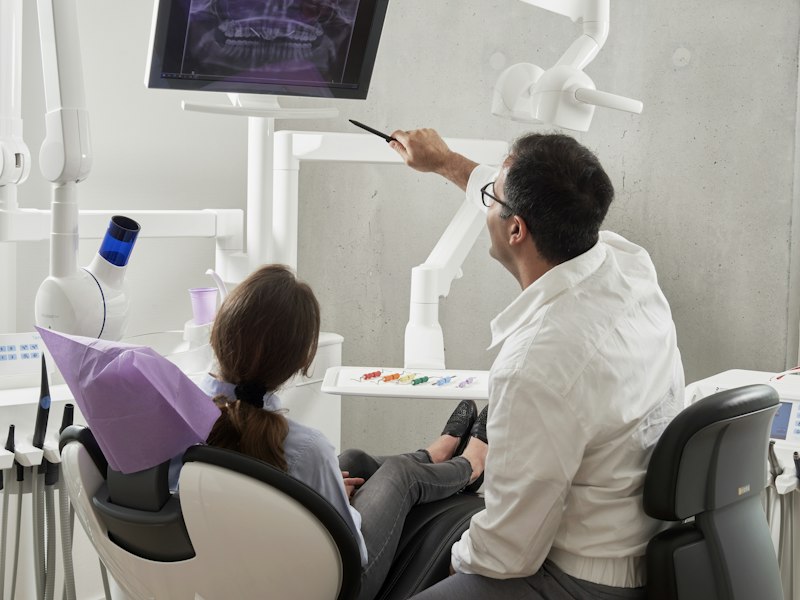
Many patients try to force an old retainer onto shifted teeth. This can be painful and may even damage the retainer or your teeth. According to the American Association of Orthodontists, you should contact your dentist or orthodontist as soon as you notice your retainer is tight or uncomfortable.
"Teeth shifting after braces is normal, common, and biological, not a failure. Modern orthodontics recognizes that teeth move throughout life."
If your teeth have only shifted slightly, getting a new retainer made might be enough to stop further movement. Remember, properly caring for your retainers is crucial to ensuring they continue to fit correctly and protect your investment.
How Can I Fix My Shifted Teeth?
The good news is that you likely do not need to spend another two years in traditional metal braces. Depending on how much your teeth have moved, we offer several solutions right here in Cincinnati and Mason, Ohio, to restore your straight smile.
1. Clear Aligners
If your shifting is mild to moderate, clear aligner therapy is an excellent option. Clear aligners can discreetly and comfortably nudge your teeth back into their proper positions in a fraction of the time it took for your initial braces treatment.
2. Cosmetic Dentistry Options
Sometimes, what looks like shifting might actually be a small chip or natural wear that alters the appearance of a tooth. In these cases, minor cosmetic adjustments might be all you need. We can use cosmetic bonding to reshape a tooth or close a small gap. For more comprehensive changes without moving the teeth, porcelain veneers can create a perfectly aligned appearance.
3. A New Retainer
If we catch the movement early enough, fabricating a fresh retainer might be all that is needed to prevent any further drifting.
Protecting Your Smile for the Future
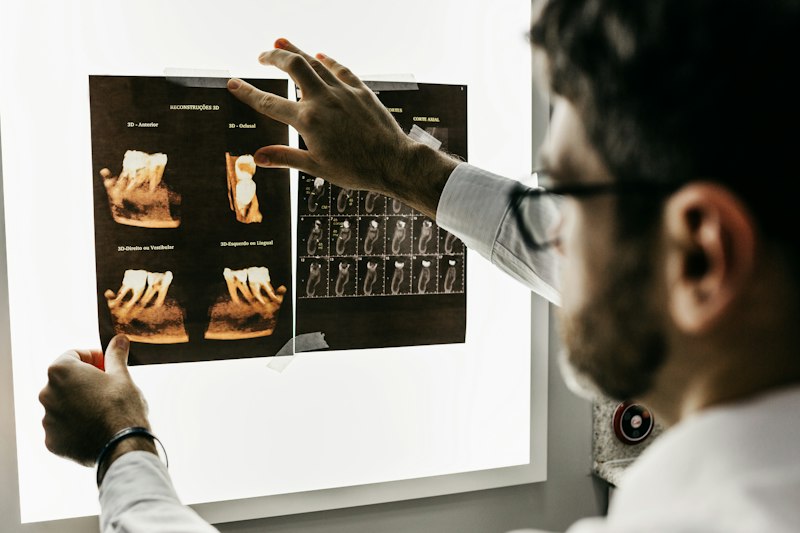
To prevent your teeth from shifting again, the rule is simple: wear your retainer! Think of your retainer as a pair of glasses for your teeth; you have to use it for it to work. Make it a part of your nightly routine, and always bring it to your regular dental checkups so we can ensure it still fits perfectly.
Are you worried about changes in your smile? Don't let your hard-earned results slip away. Schedule a visit at Kings Dental today. We would love to evaluate your smile and help you find the best way to keep it looking fantastic for years to come.
Ready to Schedule Your Visit?
Whether you're a new or returning patient, we'd love to see you. Contact us today to book your appointment.