
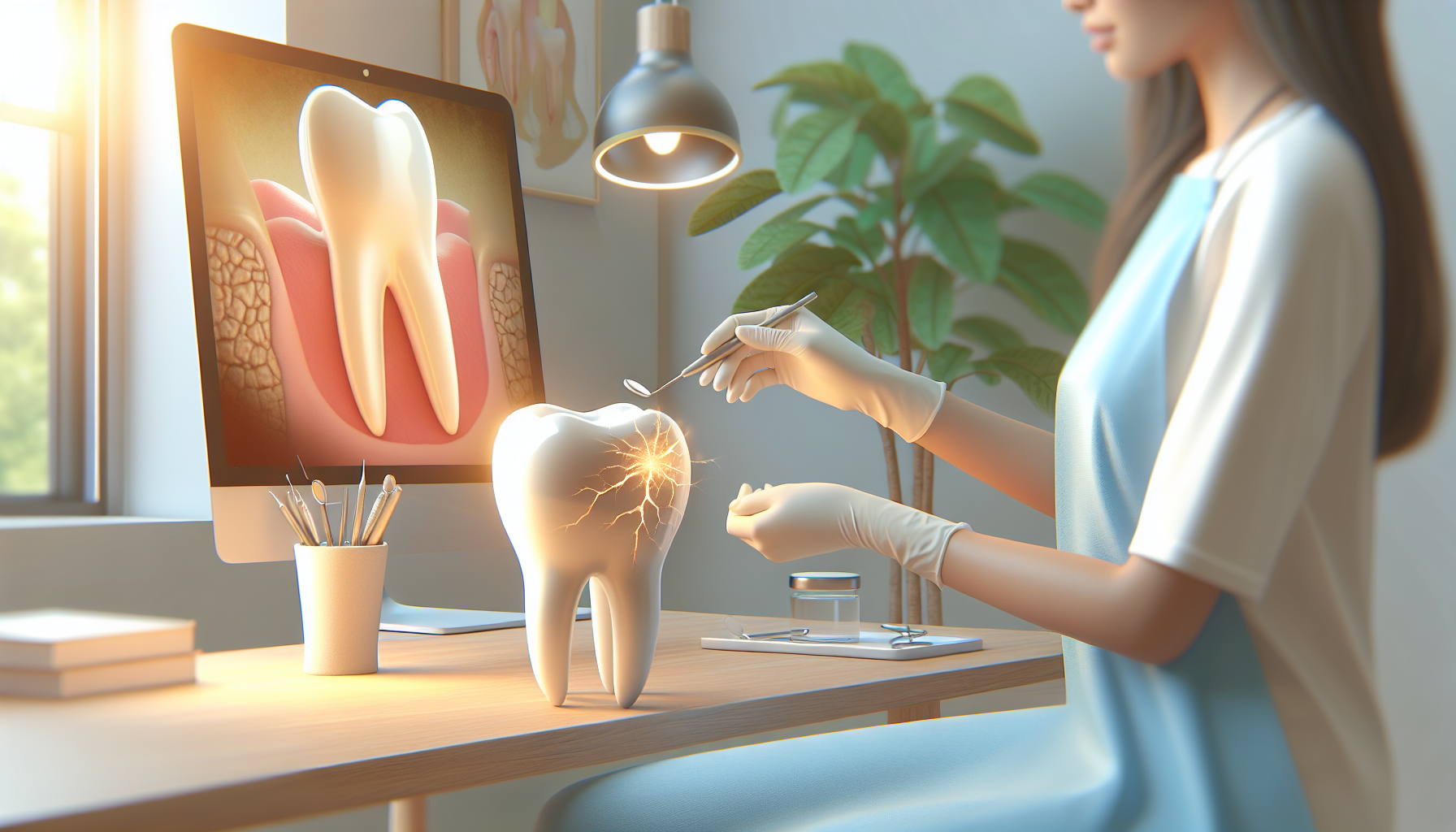
Think You Might Have a Cracked Tooth? Here's How to Tell (and What to Do Next)
Sharp pain when biting? Unexpected sensitivity? Learn how to recognize cracked tooth symptoms and what to do next to protect your smile.
In Mason or Montgomery? Book your visit this week.
That sharp, fleeting pain when you bite into something. The weird sensitivity to hot coffee or cold water. Maybe a dull ache that comes and goes without any obvious reason. Sound familiar? These are classic cracked tooth symptoms, and they affect more people than you might think.
The tricky part is that a cracked tooth does not always announce itself with dramatic pain. Sometimes the signs are subtle enough that patients in Cincinnati and Mason brush them off for weeks or even months. This guide will help you recognize the warning signs, understand what is happening inside your tooth, and know exactly when to call your dentist.
What Are the Most Common Cracked Tooth Symptoms?
Cracked teeth can be sneaky. According to the American Association of Endodontists (AAE), symptoms often vary depending on the size and location of the crack, which is why even dental professionals sometimes need multiple tests to confirm one.
Here are the most telling signs to watch for:
- Sharp pain when biting down that disappears quickly once pressure is released
- Erratic, unpredictable tooth pain that does not happen every time you eat
- Sensitivity to hot or cold that lingers longer than it should (learn more about tooth sensitivity and what causes it)
- Swelling or tenderness in the gum tissue around one tooth
- Discomfort when eating certain foods, especially hard or crunchy ones
- No visible damage, yet consistent low-grade pain or pressure
One important thing to know: a cracked tooth rarely looks cracked. Many fractures are too small to see with the naked eye or even show up on a standard X-ray. If your symptoms fit the list above, trust your instincts and get it checked.
"Cracked tooth syndrome begins when a tooth acquires a crack that is too small to detect on an X-ray. Since the crack is so small and the symptoms mirror other oral conditions, many people may have it for months without realizing it." — American Association of Endodontists

Why Does a Cracked Tooth Hurt So Much?
When a tooth cracks, the inner layers are no longer fully protected. Each time you bite down, the crack flexes slightly, irritating the dental pulp, which is the soft tissue at the center of your tooth packed with nerves and blood vessels. That is the source of the sharp, shooting pain many patients describe.
If the crack reaches deep enough into the pulp, the nerve becomes inflamed or even infected. The Cleveland Clinic notes that without treatment, a cracked tooth can progress to a tooth abscess, which is a bacterial infection that can spread beyond the tooth itself and become a serious health concern.
This is exactly why waiting it out is not a good strategy. What starts as minor toothache pain from a crack can escalate quickly if the tooth is left untreated.
What Causes Teeth to Crack in the First Place?
Cracks can happen to anyone, but certain habits and situations increase the risk. The Cleveland Clinic highlights a few of the most common culprits:
- Chewing on hard foods or objects such as ice, hard candy, or pen caps
- Teeth grinding (bruxism), especially at night when you are not aware of it
- Dental trauma from a fall, sports injury, or accident
- Large fillings or prior dental work that has weakened the overall tooth structure
- Sudden temperature changes, like eating something very hot immediately followed by something very cold
- Age, since teeth naturally become more brittle over time
If you grind your teeth at night, a custom night guard can make a real difference in protecting your enamel and reducing your risk of future cracks.
How Is a Cracked Tooth Treated?
The good news is that most cracked teeth can be saved, especially when caught early. Treatment depends on where the crack is located and how deep it goes. Here is a general overview of what your dentist might recommend:
- Dental bonding or filling: For minor surface cracks, a tooth-colored composite resin can seal and protect the area.
- Dental crown: A crown caps the entire tooth, holding it together and preventing the crack from spreading. This is one of the most common treatments for cracked teeth.
- Root canal therapy: If the crack has reached the pulp, root canal therapy removes the damaged tissue, relieves pain, and saves the tooth before a crown is placed.
- Tooth extraction: In cases where the crack extends deep into the root, saving the tooth may not be possible. Your dentist will discuss replacement options like implants or bridges.
Your dentist will evaluate the full picture and walk you through the best path forward. Our team at Kings Dental offers a full range of restorative treatment options designed to get your smile healthy and comfortable again.
According to the AAE, if a crack has extended into the pulp, it can be treated with a root canal procedure and a crown to protect the crack from spreading further.
When Should You Seek Emergency Care?
Some cracked tooth situations cannot wait for a routine appointment. Seek emergency dental care right away if you experience any of the following:
- Severe, throbbing pain that does not let up
- Visible swelling in your jaw, face, or gums
- A fever alongside tooth pain (a potential sign of infection)
- A piece of your tooth has broken off completely
- Pain so intense it is interfering with eating or sleeping
These symptoms suggest the crack may have reached the nerve or that an infection has developed. The sooner you are seen, the better the outcome is likely to be.
Do Not Ignore the Signs. Your Tooth Can Be Saved.
A cracked tooth is not something to put on the back burner. The earlier it is caught, the more treatment options you have and the easier it is to protect the tooth long-term. Whether you are dealing with a nagging sensitivity or a sudden sharp pain, the team at Kings Dental is here to help.
We welcome patients from across the Cincinnati and Mason area, and we make it easy to get answers fast. Do not wait until a small crack becomes a bigger problem.
Schedule a visit at Kings Dental and let us take a close look. Your smile is worth it.
Ready to Schedule Your Visit?
Whether you're a new or returning patient, we'd love to see you. Contact us today to book your appointment.