
How to Soothe a Teething Baby: Safe and Effective Dentist-Approved Tips
Learn how to safely soothe a teething baby with dentist-approved tips. Discover the signs of teething, effective home remedies, and what to avoid to keep your baby's smile healthy.
In Mason or Montgomery? Book your visit this week.
Welcoming a new baby into your family brings a lot of joy. However, it also brings a few challenging phases. When your little one starts getting their first teeth, it can be a stressful time for both you and your baby. Seeing your child uncomfortable is never easy.
As a family practice serving Cincinnati and Mason, Ohio, the team at Kings Dental talks to parents about this stage every day. We understand the sleepless nights and the constant fussiness. Finding safe ways to soothe a teething baby is a top priority for most new parents.
If your baby is suddenly cranky, drooling excessively, or chewing on everything in sight, those tiny teeth are likely on their way. Let us look at what is normal during this process and explore dentist-approved tips to help your baby smile again.
When Does Teething Start and What Are the Symptoms?
Most babies start getting their primary teeth around six months of age. Keep in mind that every child is different. Some may see their first tooth at four months, while others might not have one until their first birthday. According to the American Dental Association, teething is a completely normal part of infant development.
It helps to know what to look for so you can intervene early. Common signs that your baby's teeth are starting to erupt include the following symptoms.
- Increased drooling: This can sometimes cause a mild rash around the mouth and chin.
- Fussiness and irritability: The discomfort can make your baby especially cranky.
- Swollen or tender gums: The areas where teeth are coming in may look red or raised.
- Biting and chewing: Your baby will naturally want to apply pressure to their sore gums.
- Sleep disturbances: Discomfort can easily interrupt your baby's nap and nighttime sleep schedule.
If you notice these signs, your baby is simply trying to cope with the new sensation in their mouth. Understanding these symptoms is the first step toward providing relief.

How to Soothe a Teething Baby Safely at Home
Parents often wonder about the best ways to provide relief without relying on unnecessary medications. Fortunately, there are plenty of highly effective, drug-free methods. Here are some of the safest ways to soothe a teething baby.
Massage Their Gums
One of the simplest remedies is right at your fingertips. Wash your hands thoroughly and use a clean finger to gently rub your baby's gums. The gentle counter-pressure can temporarily relieve the aching sensation.
Offer Something Cool
A cool temperature naturally reduces swelling and numbs the gums. You can place a clean, damp washcloth in the refrigerator for a short time and let your baby chew on it. Never put it in the freezer, as frozen items can actually damage delicate gum tissue.
Use Safe Teething Toys
Solid rubber or silicone teething rings are excellent tools. As noted by the experts at HealthyChildren.org, chewing on firm toys helps soothe aching gums while developing fine motor skills. Always make sure the toy is completely solid.
Wipe Away the Drool
Excessive drool can irritate the skin around your baby's mouth, adding to their discomfort. Keep a soft cloth handy to gently wipe their chin throughout the day. You can also apply a thin layer of a baby-safe barrier cream to prevent a rash.
Pain Medication as a Last Resort
If home remedies are not working and your baby is clearly in distress, consult your pediatrician. The Mayo Clinic suggests that an occasional dose of infant acetaminophen may help. Always follow your doctor's dosing instructions.
Tip from the dentist: Once those first teeth appear, start cleaning them gently with a soft infant toothbrush. Good habits start early, which is essential for preventing baby bottle tooth decay down the road.
What Teething Remedies Should Parents Avoid?
While trying to soothe a teething baby, it is equally important to know what not to do. Some traditional remedies have been proven unsafe by medical professionals.
Avoid liquid-filled teething rings. Babies can easily bite through them and swallow the unknown liquid inside. Furthermore, you should never freeze teething toys. Hard, frozen plastic can bruise the gums and cause more pain.
Skip the over-the-counter numbing gels containing benzocaine. Health agencies warn against these products for infants, as they can lead to rare but serious medical conditions. Finally, avoid amber teething necklaces. These pose a severe choking and strangulation hazard.
You should also be cautious with comfort items. If your little one uses a binky for comfort during this time, you might want to learn more about pacifiers and your baby's teeth to ensure healthy jaw development.
Transitioning to Toddler Dental Care
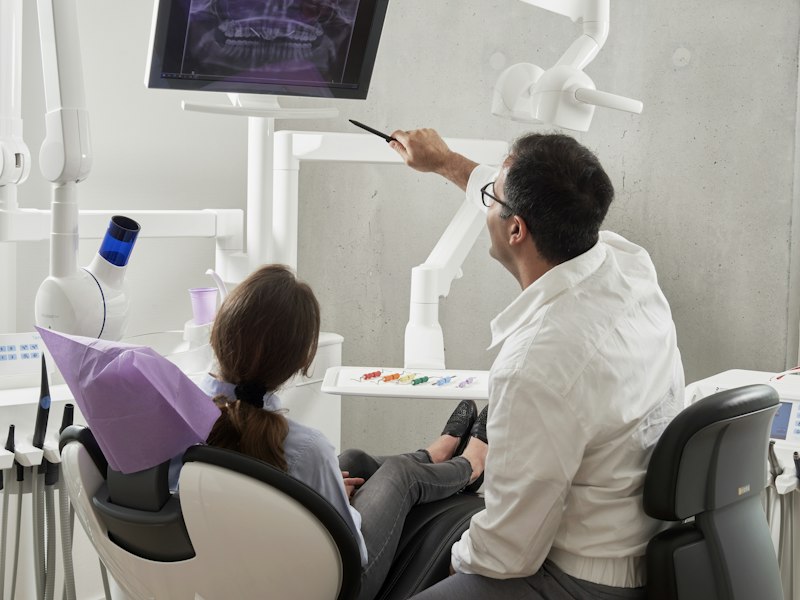
The teething phase marks the beginning of your child's dental journey. The American Academy of Pediatric Dentistry recommends that a child visit the dentist by their first birthday or when their first tooth appears.
Establishing a "dental home" early allows your dentist to monitor jaw development and tooth eruption. Early visits focus heavily on education and preventive dental care to keep tiny smiles bright and healthy.
As your baby grows into a toddler, keeping up with daily oral hygiene can become a new challenge. If you find yourself battling your child over the toothbrush, check out our guide on brushing your toddler's teeth for practical advice.
Teething is temporary, but a healthy smile lasts a lifetime. If you live in the Cincinnati or Mason area and have questions about your baby's emerging teeth, our caring team is here to help. Schedule a visit at Kings Dental today, and let us support your family's oral health journey.
Ready to Schedule Your Visit?
Whether you're a new or returning patient, we'd love to see you. Contact us today to book your appointment.