
How Long Does Numbness Last After the Dentist? (And How to Make It Fade Faster)
Wondering how long numbness after dentist visits lasts? Learn how long dental anesthesia takes to wear off, plus safe tips to help you get your feeling back faster.
In Mason or Montgomery? Book your visit this week.
Leaving the dental chair with a numb mouth is a completely normal experience. Local anesthesia is a wonderful tool that keeps you comfortable during your procedure. However, dealing with a frozen lip and drooly smile for hours afterward is not exactly fun.
Whether you just had a routine filling or a more complex procedure, you are probably wondering when that heavy, tingly feeling will finally go away. Experiencing numbness after dentist appointments can make it tricky to speak clearly, sip water, or return to your normal daily routine.
In this guide, we will explain how long you can expect that numb feeling to last. We will also share a few safe, effective tricks to help you get your feeling back faster.
How Long Does Dental Numbness Typically Last?
For most patients, the numbness from a local anesthetic naturally wears off within two to four hours. However, the exact timeline depends on a few different factors. Your body chemistry, the specific type of anesthetic used, and the location of the dental work all play a role in how quickly you recover.
Procedures that require treating deeper tissues usually require more anesthetic. For example, you might stay numb longer after a tooth extraction or a root canal treatment compared to a simple cavity filling.
According to the American Dental Association (ADA), dental anesthetics safely block pain signals to the brain on a temporary basis. Because the lower jaw has a thicker nerve trunk, work done on your bottom teeth typically stays numb longer than work done on your upper teeth.
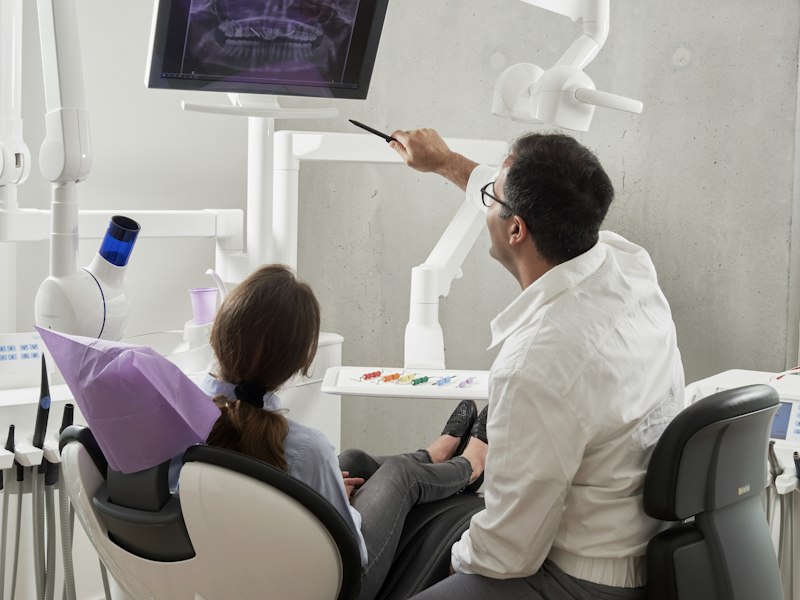
5 Ways to Make Numbness After Dentist Visits Fade Faster
Patience is usually the best remedy. However, if you have an important meeting or simply hate the frozen feeling, there are a few safe things you can do to encourage blood flow. Increased circulation helps your body process and flush out the anesthetic more quickly.
1. Get Moving with Light Activity
If you are still feeling numb an hour after your appointment, a little bit of movement can work wonders. Taking a brisk, 10-minute walk gets your blood pumping and helps carry the anesthetic out of your system.
Just be sure to keep it light. You should skip any rigorous workouts or heavy lifting immediately after a dental procedure, especially if you had an extraction.
2. Gently Massage Your Face
You can encourage blood flow directly to the numb area by gently massaging your cheek or jawline. Always wash your hands thoroughly before touching your face.
Use light, circular motions and avoid pressing too hard. You are not trying to push the medicine out of your tissues. You are simply waking up the nerves and stimulating local circulation.
3. Apply a Warm Compress
Warmth is an excellent way to boost blood flow to your facial muscles. Apply a warm, damp cloth to the outside of your jaw where you had the work done.
Leave the compress on for about five to ten minutes at a time. Make sure the cloth is comfortably warm and not hot, as your skin will not be able to accurately gauge the temperature while numb.
4. Sip Warm Liquids
Taking small sips of lukewarm water or a mild herbal tea can help increase circulation inside your mouth. The gentle warmth encourages the blood vessels to open up.
Be extremely careful with the temperature. You must avoid hot coffee or boiling tea, as you could easily burn your mouth or throat without feeling it.
5. Stay Relaxed
It might sound counterintuitive, but anxiety can actually slow down your recovery. When you are stressed, your body diverts blood flow away from your extremities and face.
Take slow, deep breaths and try to relax. If dental visits make you nervous in general, you might want to ask about sedation dentistry for your next appointment. Sedation can help keep you perfectly calm from start to finish.
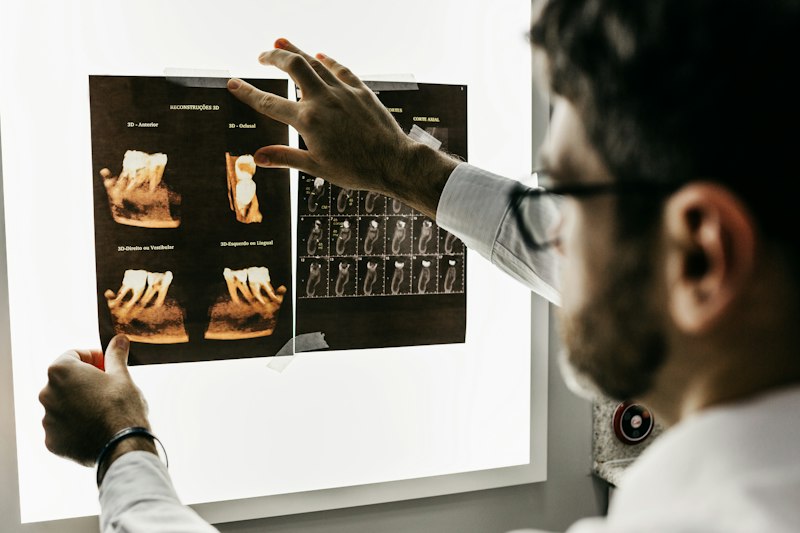
What NOT to Do While Your Mouth is Numb
Knowing what to avoid is just as important as knowing how to speed up the process. When you cannot feel your lips, cheeks, or tongue, you are at a much higher risk for accidental injuries.
- Do not eat solid foods: Chewing while numb often leads to painful bites on the inside of your cheek or tongue. If you are hungry, stick to smoothies or yogurt. If you are unsure when it is safe to have a full meal, read our guide on how long you should wait to eat after getting a dental filling.
- Avoid very hot beverages: As mentioned earlier, drinking piping hot coffee or soup can result in severe burns because your tissues cannot detect the heat.
- Stop poking the area: It is tempting to pinch your lip or poke your cheek with a toothpick to see if you can feel it yet. Resist this urge to prevent bruising and tissue damage.
Helpful Tip: Never apply over-the-counter numbing gels to try and "fix" the sensation. Adding more numbing medication to an already numb area will only delay your recovery and increase your risk of injury.
When Should You Be Concerned?
Mild, lingering numbness is a routine part of restorative dentistry. In the vast majority of cases, the sensation fades completely within a few hours. By the time you settle in for the evening, your mouth should feel entirely back to normal.
However, if your numbness persists well beyond six to eight hours, or if it lasts into the following day, it is time to contact your dental provider. Persistent numbness is very rare, but it can occasionally happen if a nerve was inflamed or irritated during the procedure. Your dentist will want to evaluate your symptoms to ensure you are healing properly.
Looking for Compassionate Dental Care?
We know that dental work can sometimes feel intimidating, but recovering from it shouldn't be stressful. At Kings Dental, we are proud to provide gentle, patient-focused care for families in Cincinnati and Mason, Ohio. We always prioritize your comfort, both during your time in our chair and after you head home.
If you have questions about an upcoming procedure or need to schedule your next checkup, our friendly team is here to help. Schedule a visit at Kings Dental today.
Ready to Schedule Your Visit?
Whether you're a new or returning patient, we'd love to see you. Contact us today to book your appointment.