
How Long Should You Wait to Eat After Getting a Dental Filling?
Wondering how long to wait before eating after a filling? Learn the best soft foods to eat, what to avoid, and how to protect your newly restored tooth.
In Mason or Montgomery? Book your visit this week.
Navigating Your Post-Filling Meals
Getting a cavity treated is a great step toward protecting your oral health. Once the procedure is over, one of the most common questions we hear is about food. Patients always want to know when they can enjoy their next meal.
If you are wondering about eating after a filling, you are certainly not alone. Whether you visit our Cincinnati or Mason, Ohio locations, the team at Kings Dental wants to ensure your recovery is as smooth and comfortable as possible.
What you eat and when you eat can significantly impact the longevity of your new dental work. Making smart choices during the first few days will help your tooth heal properly.
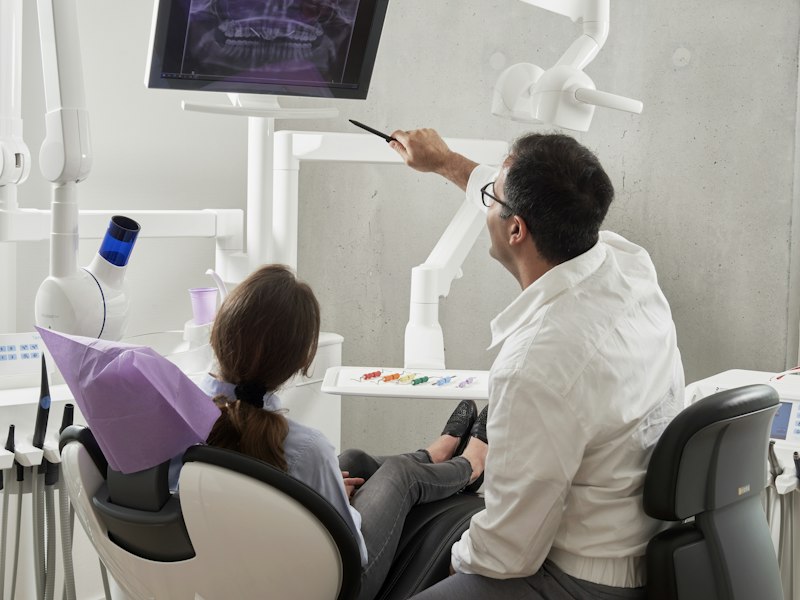
How Long Should You Wait to Eat?
The exact time you should wait depends largely on the type of material used for your procedure and how your body responds to the local anesthesia.
For composite fillings, which are tooth-colored resin materials, the curing process is instant. Your dentist uses a special blue light to harden the material completely before you even leave the chair. Technically, this means the tooth is ready for chewing immediately. However, there is a catch.
It is highly recommended that you wait until the numbness from the local anesthetic has completely worn off. This usually takes anywhere from one to three hours. Eating while your lips, cheeks, and tongue are still numb can lead to accidental bites and painful injuries.
According to the American Dental Association, following your dentist's specific post-operative instructions is the best way to prevent complications. When in doubt, stick to liquids or soft foods until you have full feeling back in your mouth.
What Are the Best Foods to Eat?
Once the numbness fades and you are ready for a meal, you should still be gentle with your newly restored tooth. The ideal diet consists of soft, non-sticky, and non-acidic foods.
Choosing foods that require minimal chewing will reduce the pressure on your jaw and the restored tooth. Here are some excellent options to keep in your kitchen:
- Smoothies and protein shakes: These are filling and require zero chewing, making them perfect for the first 24 hours.
- Scrambled eggs: Soft, warm, and packed with protein to aid in your recovery.
- Yogurt and applesauce: These cool, soft snacks are soothing and gentle on sensitive teeth.
- Mashed potatoes or lukewarm soups: Comforting and nutritious without posing any risk to your dental work.
- Oatmeal: A soft, filling option for breakfast that will not stress your jaw.
Pro Tip: Whenever possible, try to chew on the opposite side of your mouth for the first day or two. This gives the treated area a chance to rest.

Foods and Habits to Avoid
Just as there are great foods to eat, there are several items you should actively avoid while your mouth recovers. Certain textures and temperatures can cause discomfort or even damage the restoration.
Avoid hard foods like nuts, hard candies, popcorn, and ice. Biting down on these items can exert excessive pressure, causing pain or even fracturing the material. Sticky foods like caramel, chewing gum, and taffy are also risky. They can pull at the margins of the restoration.
If you accidentally eat something too sticky and dislodge the material, do not panic. You can read our guide on what to do if you lose a dental filling for immediate advice. For residents in our area, we also offer detailed information on repairing a lost dental filling.
Finally, avoid extremely hot or freezing cold foods for a few days. Temperature sensitivity is very common after restorative dental treatments. Skipping the hot coffee or ice cream temporarily will save you from sudden jolts of pain.
Managing Sensitivity and Protecting Your Smile
It is completely normal to experience a little tenderness or sensitivity for a few days following your appointment. Using a desensitizing toothpaste can help soothe the nerve of the tooth.
Sometimes, your bite might feel slightly "off" after the numbing wears away. If it feels like one tooth is hitting before the others when you close your mouth, give us a call. A quick adjustment can prevent ongoing pain and protect the tooth from excess stress.
Maintaining excellent oral hygiene is the best way to prevent future decay. Continue to brush and floss regularly, being gentle around the newly treated area. Routine preventive dental care will keep your smile bright and healthy for years to come.
Ready for Your Next Visit?
Taking care of your teeth after a procedure does not have to be stressful. By sticking to soft foods and waiting for the numbness to fade, you can enjoy a seamless recovery.
If you have questions about your recent treatment or need to book a checkup, our friendly team is here to help. Schedule a visit at Kings Dental today, and let us keep your smile looking its best!
Ready to Schedule Your Visit?
Whether you're a new or returning patient, we'd love to see you. Contact us today to book your appointment.