
Is It Time for Your Wisdom Teeth to Come Out? 4 Signs You Shouldn't Ignore
Experiencing pain or swelling in the back of your mouth? Discover the top 4 wisdom teeth symptoms you shouldn't ignore and learn when it's time to seek care at Kings Dental.
In Mason or Montgomery? Book your visit this week.
For many young adults in their late teens and early twenties, the arrival of wisdom teeth is a dental rite of passage. Also known as third molars, these teeth are the last to emerge at the very back of the mouth. While some people never experience any issues, others are not so lucky. Recognizing early wisdom teeth symptoms can save you from severe discomfort and complications down the road.
Here at Kings Dental, serving families in Cincinnati and Mason, Ohio, we often see patients who are unsure if their wisdom teeth are causing problems. In many cases, these teeth do not have enough room to grow properly. When this happens, they become impacted or emerge at an awkward angle.
What Are Wisdom Teeth and Why Do They Cause Trouble?
According to the American Dental Association, wisdom teeth that are healthy and properly positioned can be a valuable asset to your mouth. However, problems often develop when your jaw is simply too small to accommodate them.
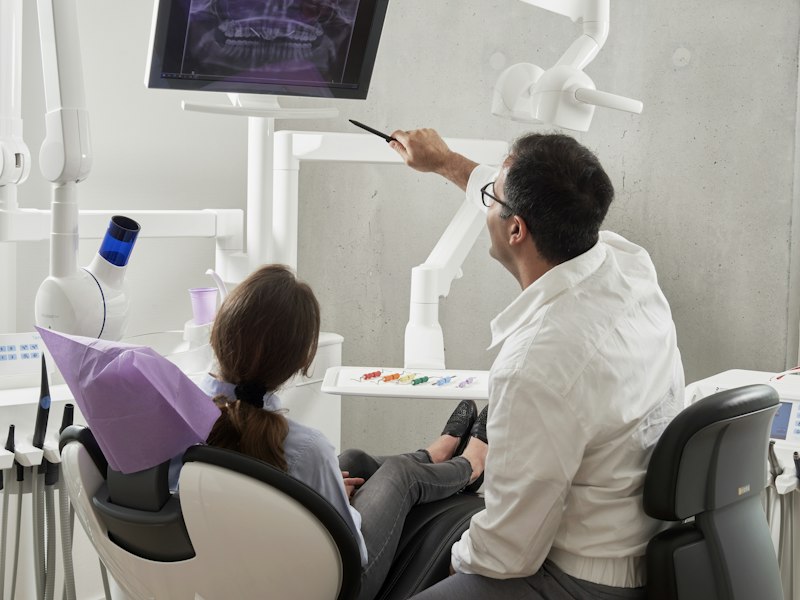
When there is inadequate space, wisdom teeth may only partially emerge through the gums or remain completely trapped beneath the surface. This can lead to a host of oral health issues. If you are wondering whether it is time to have them evaluated, here are four common signs you should never ignore.
4 Wisdom Teeth Symptoms You Shouldn't Ignore
1. Persistent Pain in the Back of Your Mouth
One of the most obvious indicators that your wisdom teeth need attention is pain. You might feel a dull, constant ache or a sharp, throbbing sensation right behind your last set of molars.
This pain often occurs because the emerging tooth is pushing against surrounding tissues or neighboring teeth. If you are experiencing unexplained jaw or tooth pain that does not go away after a few days, it is time for a dental exam.
2. Swollen, Red, or Bleeding Gums
When a wisdom tooth only partially erupts, it creates a small flap of gum tissue. Food particles and bacteria can easily become trapped in this area. Since it is difficult to clean so far back in the mouth, this often leads to an infection known as pericoronitis.
- Look out for gums that appear unusually red or swollen.
- Notice if your gums bleed easily when you brush or floss.
- Pay attention to any bad breath or a foul taste in your mouth.
3. Jaw Stiffness and Difficulty Opening Your Mouth
As wisdom teeth shift and try to push through your gums, they can cause significant inflammation. This swelling can extend beyond your gums and affect your jaw muscles.
If you find that your jaw feels stiff, or if it is painful to open your mouth wide to speak or eat, impacted wisdom teeth could be the culprit. Ignoring this symptom can lead to chronic jaw pain and even headaches.
4. Damage or Crowding of Nearby Teeth
If your wisdom teeth do not have enough room to come in straight, they may push against your second molars. This constant pressure can damage the neighboring teeth or undo years of costly orthodontic work by causing your teeth to shift and crowd.
What to Expect If You Need Them Removed?
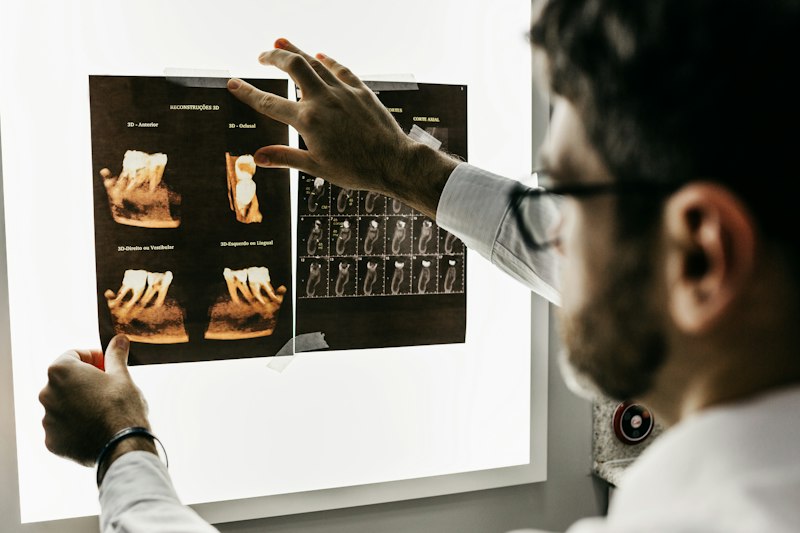
If we determine that your wisdom teeth are causing harm, we will likely recommend a tooth extraction. The thought of getting teeth pulled can make anyone nervous, but modern dental techniques have made the process much more comfortable.
"The sooner you address problematic wisdom teeth, the less likely you are to experience painful infections or damage to your surrounding teeth."
Depending on the complexity of your case, your procedure might involve a simple extraction or a minor oral surgery. At Kings Dental, we understand that dental anxiety is very real. That is why we offer various sedation dentistry options to ensure you are completely relaxed and pain-free during your visit.
What Does Recovery Look Like?
After your procedure, you might experience some mild swelling and discomfort, but this is a normal part of the healing process. Most patients return to their regular routines within a few days.
To help you heal as smoothly as possible, we have put together a comprehensive guide on recovering from a tooth extraction. Sticking to soft foods, avoiding straws, and keeping the area clean will make a world of difference.
When Should You See a Dentist?
Do not wait until the pain is unbearable. If you live in the Cincinnati or Mason area and are experiencing any of these wisdom teeth symptoms, it is crucial to have an expert take a look. We can take dental X-rays to see exactly what is happening beneath your gum line and create a personalized treatment plan.
Are you ready to find relief from wisdom tooth pain? Schedule a visit at Kings Dental today, and let our family help yours achieve a healthy, comfortable smile.
Ready to Schedule Your Visit?
Whether you're a new or returning patient, we'd love to see you. Contact us today to book your appointment.